





There is a certain magic in standing a little taller—not just in centimeters, but in presence. A straighter back, a longer line through the neck, shoulders that sit where they should, and suddenly your outfit looks sharper, your silhouette cleaner, your whole vibe a bit more confident. And yes, while stretching won’t turn you into a different person overnight, the right stretch exercise for height can help you look taller by improving posture, reducing compression, and making your body move with more ease.
That’s the real trick, isn’t it? Not chasing impossible promises, but using smart routines that help you maximize the height you already have. Think of it like tailoring for the body: small adjustments, big visual impact. And if you’ve ever caught your reflection after a long day and thought, “Why do I look shorter than I did this morning?”—welcome to the club. Gravity is not always our most elegant companion.
Why stretching can make you look taller
Let’s be clear: stretching does not permanently increase bone length in adults. But it can help you appear taller in several practical ways. First, it improves posture. When your chest opens, your spine stacks better, and your head sits over your shoulders instead of drifting forward, you immediately gain visual height. Second, stretching helps relieve tight muscles that pull your body into a compressed position. Third, it can reduce the feeling of stiffness that often makes people stand in a slouched, closed posture without even noticing.
Over the course of a day, most people lose a little height due to spinal compression, especially if they sit for hours or train hard. A good mobility routine can help you decompress, reset your posture, and stand closer to your natural height. If your goal is to look taller in clothes, this matters more than most people think. A tall-looking posture can change how a jacket hangs, how trousers fall, and how confident you appear from across the room.
So, while stretching is not a miracle growth hack, it is one of the most useful tools for anyone trying to look taller without relying only on shoes or clothing tricks.
The best daily stretch routine for a taller-looking posture
If you want a routine that is easy to remember and realistic to maintain, start with these basics. This sequence targets the most common posture problems: tight hips, tight hamstrings, a stiff upper back, and a rounded chest.
- Cat-cow stretch
- Wall angels
- Standing forward fold
- Hip flexor stretch
- Chest opener stretch
- Child’s pose
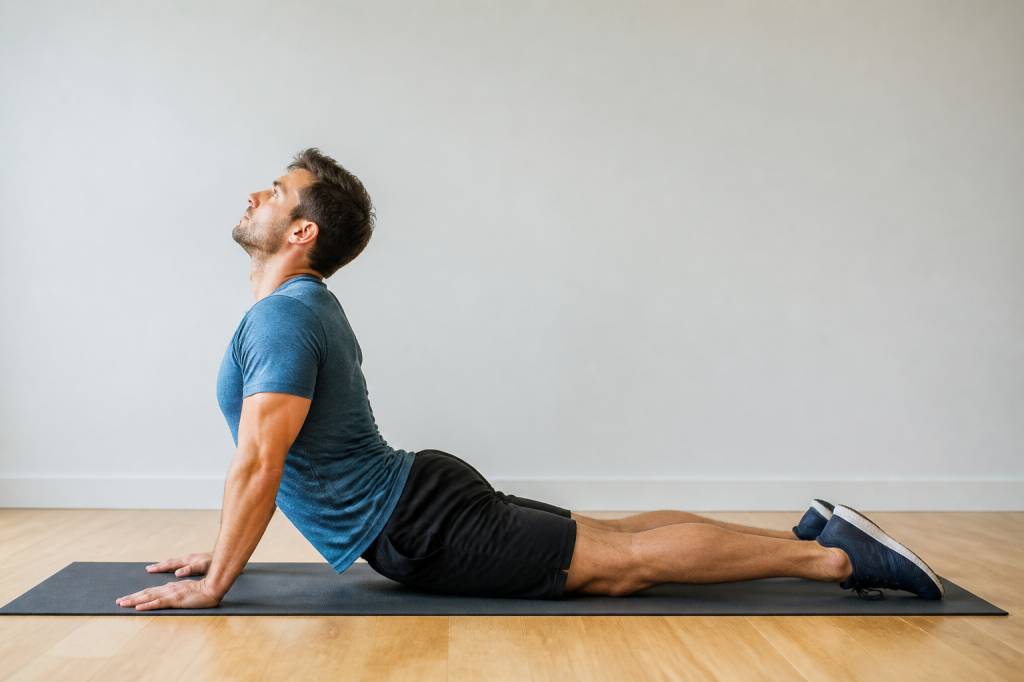
- Thoracic extension stretch
Do this routine for about 10 to 15 minutes, ideally once in the morning and once later in the day. You do not need a gym, a fancy mat, or a heroic amount of discipline. Just a small pocket of time and the will to keep showing up.
Cat-cow: a simple reset for the spine
Cat-cow is one of those movements that looks almost too simple to matter, but that is exactly why it works. It warms up the spine, improves mobility, and helps you become aware of how your back moves. Many people spend their days locked in a seated posture, and this exercise is a gentle way to reverse that.
Start on your hands and knees. As you inhale, drop your belly slightly and lift your chest and tailbone for the “cow” position. As you exhale, round your back like an angry but elegant cat, drawing your chin slightly toward your chest. Move slowly and smoothly for 8 to 10 rounds.
The goal here is not performance. There is no medal for dramatic spinal movement. The goal is simply to wake up the structure that holds you upright all day.
Wall angels for a longer, cleaner upper body line
Wall angels are excellent for posture because they encourage your shoulders to open and your upper back to align. If you often feel like your shoulders are rolling forward, this one deserves a place in your routine.
Stand with your back against a wall, feet a few inches forward, and keep your lower back gently supported. Raise your arms into a “goalpost” position with elbows bent. Slowly slide your arms upward and downward against the wall without losing contact if possible. If your mobility is limited, do it as far as you can with control.
This exercise helps train your body to sit in a more upright position. And when your upper body is open, you instantly project more height. It is the sort of thing people notice without knowing why. They just think you look “more put together.” Which, frankly, is half the battle.
Standing forward fold to decompress the back of the body
A forward fold is a classic stretch for lengthening the back of the legs and easing tension along the spine. Tight hamstrings can tilt your pelvis and make your posture look shorter and stiffer, so stretching them regularly is a smart move.
Stand with your feet hip-width apart, soften your knees, and hinge at the hips as you fold forward. Let your upper body relax toward the floor. You do not need to touch your toes for this to work. In fact, forcing it can make the stretch less effective. Hold for 20 to 30 seconds and breathe deeply.
One helpful tip: think of the movement as lengthening the spine forward rather than simply collapsing downward. That small mental shift can change the quality of the stretch and help you maintain better posture afterward.
Hip flexor stretch to undo sitting posture
If there is one muscle group that deserves more attention in the modern world, it is the hip flexors. Hours of sitting can make them short and tight, which pulls the pelvis forward and affects the way you stand. And when the pelvis is out of alignment, the rest of the body often looks less tall and less balanced.
To stretch them, kneel on one knee and place the other foot in front of you, creating a lunge position. Gently press your hips forward until you feel the stretch at the front of the hip on the kneeling side. Keep your torso upright for the best effect. Hold for 30 seconds on each side.
If you want a more intense version, raise the arm on the kneeling side and lean slightly away from that hip. It is a small change, but it can create a stronger opening through the front of the body. Just do it slowly; this is stretching, not a duel.
Chest opener stretch for a more confident silhouette
A tight chest can pull the shoulders inward and make the upper body look compressed. A chest opener stretch helps reverse that rounded shape and gives your posture a more expansive look.
Stand in a doorway, place your forearm on the frame with your elbow bent at about 90 degrees, and gently step forward until you feel a stretch across the chest and front shoulder. Hold for 20 to 30 seconds, then switch sides.
This stretch is especially useful if you spend a lot of time at a desk, on a phone, or driving. All those hours with your arms in front of you can quietly shape your posture. A simple chest opener helps pull everything back into a more upright, taller-looking line.
Child’s pose to lengthen and relax the back
Child’s pose is a classic for a reason. It is calming, accessible, and effective for creating a sense of length through the spine. It can also help relieve the tension that builds in the lower back after sitting, walking, or training.
Start on your knees, sit your hips back toward your heels, and stretch your arms forward on the floor. Let your forehead rest down if that feels comfortable. Breathe deeply and allow your back to expand. Stay here for 30 to 60 seconds.
There is something beautifully honest about this stretch. No drama, no ego, just a moment to let the body breathe again. And when the body feels less tense, it often stands taller afterward.
Thoracic extension for better upper back mobility
Many people confuse a stiff upper back with “bad posture,” but the issue is often a lack of mobility in the thoracic spine. If this area cannot extend properly, your shoulders and neck may compensate, which can make you appear shorter.
You can work on thoracic extension using a foam roller or even a rolled towel. Place it under your upper back, support your head, and gently extend over it while keeping your core engaged. Move slowly and breathe. This should feel like opening, not forcing.
Improving thoracic mobility can make a noticeable difference in how tall you stand and how naturally you carry yourself. It is one of the most underrated habits for a better-looking posture.
A short morning routine to wake up taller
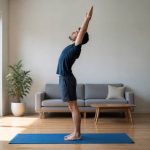
Morning is the perfect time for a stretch exercise for height because your body tends to feel compressed after sleep, and a few gentle movements can help you stand with more ease. A short sequence can also set the tone for the rest of the day.
Try this 5-minute morning reset:
- 1 minute of cat-cow
- 30 seconds of standing forward fold
- 30 seconds per side of hip flexor stretch
- 1 minute of wall angels
- 1 minute of chest opener stretch
- 1 minute of deep breathing in child’s pose
This routine is quick, practical, and easy to repeat. And when a habit is easy, it is far more likely to survive real life. That matters more than the perfect plan you do once and never again.
Stretching after workouts and long days
If you train regularly, post-workout stretching is especially useful. Strength training and cardio can both create tightness, and if you skip recovery entirely, your posture may begin to suffer. The same applies after a long day of standing, driving, or sitting in front of a laptop like a devoted servant of modern life.
After exercise, focus on the muscles that tend to shorten: calves, hamstrings, hip flexors, chest, and lats. Keep each stretch controlled and hold it long enough for the body to relax into it. Avoid bouncing. The aim is to release tension, not to negotiate with it.
If you’ve had a particularly compressed day, a 10-minute evening stretching session can feel like a small luxury. Not the champagne-and-candles kind. More like the “I can finally stand like a human being again” kind.
How to get the most out of your stretching routine
Stretching works best when it is consistent. A single session can make you feel looser and taller for a while, but the real benefit comes from repetition. Posture improves when the body learns a new default position.
Here are a few practical rules:
- Stretch regularly, not occasionally.
- Breathe slowly during each hold.
- Focus on areas that affect posture most: hips, chest, hamstrings, upper back.
- Do not force pain; mild tension is enough.
- Combine stretching with strength work for better support.
That last point matters. Flexibility without strength is a bit like a beautiful jacket with no structure underneath. It may look good at first, but it does not hold the shape you want. Core work, glute work, and back strengthening all help your new posture stay in place.
Small extra habits that help you look taller
Stretching is powerful, but it is even better when paired with a few simple lifestyle habits. Drink enough water, because dehydrated muscles tend to feel tighter. Take standing breaks during the day. Adjust your desk and screen height so you are not constantly leaning forward. And if you train, balance heavy lifting with mobility work.
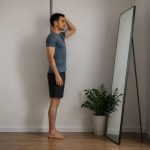
Also, pay attention to the way you stand and walk. Many people lose visual height because they collapse through the chest or tuck the pelvis too far forward. Try imagining a string gently lifting the crown of your head upward. It sounds almost theatrical, but it works. Fashion is theater anyway, no?
And for those moments when you want an instant boost, there is nothing wrong with combining good posture with well-chosen elevator shoes. Stretching helps you stand taller naturally, while the right footwear can add a discreet extra lift. In style, as in life, the smartest results often come from using more than one tool.
A simple weekly plan you can actually follow
If you like structure, here is an easy weekly rhythm:
- Every morning: 5 to 10 minutes of mobility work
- After workouts: 5 minutes of lower-body and chest stretching
- Evening: 10 minutes of full-body release on busy or stressful days
- Once a week: a longer 20-minute session focused on posture and mobility
You do not need perfection. You need a routine that fits into real life. The best stretch exercise for height is the one you will keep doing after the novelty wears off. That is where the real change happens.
When your body feels lighter, more open, and better aligned, your posture improves almost naturally. And when posture improves, you look taller, move better, and carry yourself with a little more authority. In the end, that is the kind of height that matters most: the kind you can feel in every step.