

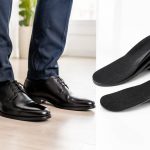







Height insoles can transform an ordinary pair of shoes into a more confident, better-balanced part of your wardrobe. But choosing the right elevator inserts is not simply a question of selecting the thickest option available. The best height insoles should add discreet height while keeping your feet comfortable, your stride natural, and your shoes looking completely ordinary.
That is where many men hesitate. Should you choose a fixed-height insert or an adjustable model? How much extra height is realistic? Will the insole fit inside your favourite elevator sneakers, boots, or formal shoes? And perhaps the most important question: how do you avoid that unmistakable “walking on stilts” feeling?
As someone who has tested more than a few height-increasing shoes over the years, I have learned that subtlety is usually the secret. A well-designed insert should support your style, not announce its presence before you do.
What Are Elevator Inserts?
Elevator inserts, also called height insoles or height-increasing insoles, are specially designed insoles that raise the heel and sometimes the entire foot inside a shoe. They can provide a modest increase in height, generally from around 1 to 3 inches depending on the design, shoe type, and amount of internal space available.
Unlike standard comfort insoles, elevator inserts are shaped with a raised heel section. This creates a discreet lift from inside the shoe. Some models use a single fixed layer, while others include removable sections that allow you to adjust the height.
They are available for several types of footwear, including:
- Elevator sneakers and casual trainers
- Elevator boots
- Derby shoes and other formal footwear
- Loafers with sufficient internal volume
- Roomier everyday shoes designed to accommodate height insoles
It is worth making one distinction clear: dedicated elevator shoes are designed around an integrated lift, while separate height insoles are added to an existing pair of shoes. Both options can be useful, but they do not always provide the same level of stability or discretion.
Integrated Elevator Shoes or Separate Height Insoles?
Before buying inserts, consider how you plan to use them. If you want a reliable solution for daily wear, dedicated elevator shoes are usually the more comfortable and natural choice. Their internal construction is designed to support the raised heel, balance the foot, and hide the lift within the shoe’s silhouette.
Elevator sneakers, for example, are built with enough depth and structure to accommodate the internal height system. The result is a smoother transition from heel to toe and a more stable feeling when walking. The same principle applies to elevator boots and formal elevator shoes.
Height insoles are more flexible. You can move them between different pairs of shoes, and they may be a practical way to test how much lift feels comfortable before investing in a complete elevator shoe wardrobe. They are particularly useful when you already own roomy boots or casual shoes.
However, a standard shoe may not have enough space for a thick insert. If your toes feel compressed, the heel slips, or the shoe becomes difficult to put on, the insert is probably too high for that pair. No amount of optimism can turn a shallow loafer into a comfortable 3-inch elevator shoe.
How Much Height Should You Choose?
The most important rule is simple: choose the highest insert you can wear comfortably and naturally. More height is not automatically better. In fact, an excessive lift can make your posture feel awkward and may change the way your foot moves inside the shoe.
Here is a useful starting guide:
- 0.5 to 1 inch: A subtle lift for everyday use, office shoes, and first-time wearers.
- 1 to 2 inches: A versatile range that works well in many boots, sneakers, and roomier formal shoes.
- 2 to 3 inches: A more noticeable lift, best suited to shoes specifically designed for height insoles or elevator construction.
- Over 3 inches: Usually better achieved with professionally designed elevator shoes rather than generic inserts.
A modest height increase often looks the most convincing. A 1.5-inch lift can make a visible difference while preserving a natural stride. It is discreet enough for the workplace and versatile enough for casual outfits.
If you are new to height-increasing shoes, start lower. You can always add a removable layer later, but beginning with the tallest possible insert may leave you uncomfortable before lunchtime. And nobody wants a business meeting to become a private negotiation between man and insole.
Fixed-Height or Adjustable Height Insoles?
Fixed-height inserts are made with one permanent lift. They are generally slimmer, simpler, and often easier to position inside a shoe. If you already know the height that suits you, a fixed model can be an excellent everyday option.
Adjustable height insoles use removable layers or sections. This allows you to modify the lift according to the shoe, occasion, or level of comfort you want that day. A lower setting may be ideal for walking around town, while a slightly higher setting can work with a pair of structured elevator boots.
Adjustable inserts are especially useful when you own several types of shoes. A casual sneaker may accommodate a taller setting, while a sleek formal shoe may require a more modest lift. The flexibility can also help you adapt gradually if you are not accustomed to raised footwear.
There is one detail to check carefully: the layers should lock firmly into place. If the removable sections shift during walking, the insert may feel unstable. Look for a design with a secure connection, a shaped heel cup, and a non-slip surface.
Check the Internal Space of Your Shoes
The external size of a shoe does not tell you how much room is available inside. A narrow dress shoe may look long enough but have very little vertical space around the instep. A roomy boot, on the other hand, may accept a thicker height insole without difficulty.
Before choosing an insert, examine these areas:
- Toe room: Your toes should not be pressed against the front of the shoe.
- Instep clearance: The upper should not squeeze the top of your foot.
- Heel stability: Your heel should remain secure rather than lifting out with every step.
- Width: The insole should not push your foot against the sides of the shoe.
- Removable insole: If the original insole can be removed, you may create additional space.
Many height insoles are designed to replace the existing footbed. Removing the original insole can provide valuable room, but only if the shoe remains comfortable and properly cushioned afterward. Do not force an insert into a shoe that was already a close fit.
Choose the Right Shape and Support
Height alone does not determine comfort. The shape of the insert is equally important. A good elevator insert should support the heel without creating excessive pressure under one small area of the foot.
Look for a gently contoured design with a stable heel cup. This helps keep your foot centred and reduces unwanted movement. A gradual slope from heel to toe is usually more comfortable than a sudden, steep rise.
Materials matter too. Foam inserts can be lightweight and comfortable, while gel sections may improve cushioning in the heel. Firm support is useful for stability, but an insert that feels completely rigid may become tiring during long periods of standing.
For daily wear, pay attention to breathability. A lining that absorbs moisture can make a significant difference, particularly in elevator sneakers worn during warmer months. Nobody wants to discover that their secret height advantage has developed its own tropical climate.
Matching Height Insoles to Different Shoe Styles
Elevator Sneakers
Elevator sneakers are often the easiest match for height insoles because they typically have a generous opening, padded collars, and a more flexible upper. They are a good choice for casual outfits, travel, and everyday wear.
Choose a low or medium-height insert unless the sneaker has been specifically designed for a taller lift. A thick insert can change the position of your foot and make the sneaker’s collar feel too low around the ankle.
Elevator Boots
Boots generally offer more ankle support and internal volume than low-cut shoes. This makes them suitable for medium or adjustable height insoles. Their structured shape also helps disguise the raised heel.
When wearing inserts in boots, check that your heel does not slide upward. A secure lace-up system or side zip can help maintain a stable fit. Chelsea boots may work well with slim inserts, but their elastic opening can become difficult to use if the lift is too high.
Formal Elevator Shoes
Formal shoes require the greatest attention to proportion. A sleek Oxford or Derby should retain a clean silhouette, and an oversized insert may make the shoe feel cramped or alter the way the leather sits across the instep.
For office wear, a discreet 0.5- to 1.5-inch lift is often the most practical. If you want more height with a formal look, dedicated elevator dress shoes are usually preferable because the internal construction is hidden from view and designed for the shoe’s shape.
Loafers
Loafers can be elegant, but they are often less forgiving. Since they do not use laces to secure the foot, a tall insert may cause the shoe to slip at the heel or feel too tight across the top.
If you choose height insoles for loafers, select a slim design and test the fit at home before wearing them outdoors. A comfortable, secure fit is more important than adding an extra half-inch.
Common Mistakes to Avoid
- Choosing maximum height immediately: Start with a moderate lift and increase gradually.
- Ignoring shoe depth: A tall insert needs enough internal space to remain comfortable.
- Using one insert in every shoe: Different styles require different heights and shapes.
- Overlooking heel slippage: Movement inside the shoe can affect comfort and walking stability.
- Wearing new inserts all day at once: Break them in gradually around the house.
- Buying without checking dimensions: Compare the insert length and width with your shoe’s removable footbed.
Another common mistake is wearing a new pair of height-increasing shoes for an important event without testing them first. Give yourself several short walks indoors. Sit, stand, use stairs, and walk on different surfaces. Your feet will provide a very honest review, usually before any online customer does.
How to Break In Height Insoles Comfortably
Begin with 30 to 60 minutes of wear at home. If the fit feels good, increase the time over several days. This allows your feet and stride to adapt to the raised heel.
Pay attention to pressure points around the heel, arch, and ball of the foot. Mild unfamiliarity is normal, but sharp discomfort, numbness, or persistent rubbing means the fit needs attention. Try a lower setting, reposition the insert, or use a different shoe.
Keep the insert flat and correctly aligned. The heel section should sit fully at the back of the shoe, while the front should not curl or fold. A poorly positioned insole can create discomfort even when the design itself is excellent.
Care and Replacement Tips
Height insoles should be removed regularly to air out. Follow the manufacturer’s cleaning instructions, especially if the insert includes leather, gel, or layered foam. Avoid soaking materials that are not designed for water, and allow the insert to dry naturally away from direct heat.
Inspect the heel section from time to time. If the foam becomes compressed, the surface starts to slide, or the layers no longer connect securely, it may be time for a replacement. A worn insert can affect both comfort and the fit of the shoe.
If you rotate between several pairs of shoes, consider using separate inserts for casual and formal footwear. This preserves the shape of each insert and makes it easier to maintain the correct height for each style.
Finding Your Best Height-Insole Setup
The ideal height insole is the one that fits your shoes, supports your feet, and allows you to walk naturally. For many men, a moderate adjustable insert is the best starting point because it offers flexibility without forcing a dramatic change in fit.
For regular, polished wear, dedicated elevator shoes remain the most refined option. Their hidden construction, balanced shape, and integrated support make them particularly suitable when comfort and discretion matter. Height insoles, meanwhile, are a useful way to enhance selected shoes or experiment with different levels of lift.
Think of the process as tailoring. The right insert should feel made for the shoe, the occasion, and your own stride. When the fit is correct, nobody notices the technology inside. They simply notice that your shoes look sharp, your posture feels confident, and you enter the room with a little more presence.