




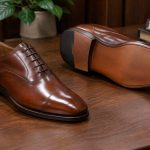



There is a moment in every man’s morning when he stands in front of the wardrobe and asks a deceptively difficult question: “Can I wear these shoes with this outfit?” Oxfords are often part of that debate. They look polished, they carry a little history in every stitch, and they can make even a simple pair of trousers seem more deliberate. But are they business casual, or do they belong strictly in the boardroom?
The short answer: Oxfords can absolutely work for business casual. The longer answer depends on the shoe’s design, the rest of your outfit, and how relaxed your workplace is. Get those details right, and Oxfords can be one of the most versatile shoes in your wardrobe. Get them wrong, and you may look as though you are waiting to present quarterly results at a beach café.
What Makes an Oxford an Oxford?
An Oxford is a lace-up dress shoe with a closed lacing system. The sections of leather that hold the laces are stitched beneath the front of the shoe, creating a neat, streamlined appearance. That detail gives Oxfords their characteristic formality. They are not simply “shoes with laces,” despite what a rushed morning might suggest.
Oxfords come in several styles. A plain-toe Oxford is clean and minimal. A cap-toe has an extra stitched panel across the toe, making it a dependable choice for work. A brogued Oxford features decorative perforations, which soften its appearance slightly. A wholecut Oxford is made from one piece of leather and tends to look especially sleek and formal.
These differences matter because business casual is not one fixed dress code. One company may consider dark jeans and a blazer perfectly suitable; another may expect chinos, a button-down shirt, and shoes that still look ready for a client meeting. The Oxford’s design can help you move in either direction.
So, Are Oxfords Business Casual?
Yes, Oxfords can be business casual, especially when you choose a less formal color or finish and pair them with relaxed but tidy clothing. Brown leather, suede, and brogue detailing generally feel more approachable than a glossy black wholecut Oxford. The shoe still looks smart, but it does not insist that everyone in the room sit up straighter.
Black, highly polished Oxfords are usually more formal. They are excellent with a suit, but can feel a little severe alongside chinos and an open-collar shirt. That does not make them forbidden for business casual; it simply means the rest of your outfit should bridge the gap. A structured blazer, tailored trousers, and a crisp shirt can help the combination feel intentional.
Think of formality as a dial rather than a switch. The Oxford sets one part of the dial, while its color, texture, condition, and companions set the rest. Your goal is not to make every piece equally formal. It is to make the outfit look as if it belongs together.
Choose the Right Oxford for the Office
If you are buying your first pair for work, start with a medium or dark brown leather Oxford. It is versatile, easy to wear with navy, grey, or tan trousers, and usually less formal than black. A cap-toe or subtle brogue gives you enough detail to add character without turning the shoe into the main event.
Suede is another good option in a relaxed office. A brown or dark navy suede Oxford brings softness and texture to an outfit, especially in autumn and winter. It is a little less traditional than polished leather, but that is precisely why it works so well with chinos, knitwear, or an unstructured jacket. Just keep suede brushed and protected; a little care saves a lot of staring sadly at a water stain.
Pay attention to the shape, too. A narrow, highly pointed Oxford can look sharp, but may feel overly dressy with casual clothes. A balanced toe shape and a modest sole are easier to style across different settings. The shoe should complement your proportions, not look as if it arrived from a different outfit.
Business Casual Oxford Outfits That Work
Brown Oxfords with chinos: This is the reliable everyday combination. Try medium-brown Oxfords with navy, olive, or stone chinos and a white or pale-blue button-down shirt. Add a matching belt, and you have an outfit that feels professional without looking like you dressed for a formal photograph.
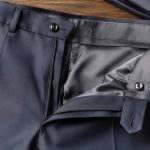
Dark Oxfords with tailored trousers: Pair black or dark-brown Oxfords with charcoal or navy trousers and a fine-gauge sweater over a collared shirt. The trousers keep the look polished, while the knitwear makes it less rigid. This is a particularly useful choice for an office with a more traditional dress code.
Suede Oxfords with a blazer: A navy blazer, light-blue shirt, grey trousers, and brown suede Oxfords make a strong business-casual outfit. The suede adds texture, preventing the blazer-and-trousers combination from feeling too close to a full suit. It is smart, but still looks comfortable enough to enjoy lunch.
Brogues with dark jeans: In a creative or relaxed workplace, brogued Oxfords can work with dark, clean jeans and a neat shirt or fine sweater. Keep the jeans free of rips and heavy fading, and choose a more casual Oxford, such as one in brown leather or suede. If the jeans are the loudest thing in the outfit, it is probably time to rethink the balance.
Oxfords with a suit worn casually: You can also relax a suit by leaving off the tie, choosing a softer jacket, and wearing a simple shirt. Brown Oxfords often make this feel more approachable than black ones. The result is a useful option for presentations, dinners, and those mysterious calendar invitations that say only “quick chat.”
Can You Wear Oxfords with Jeans?
Yes, but the details matter. Choose dark, well-fitted jeans with a clean finish, and wear them with a casual Oxford rather than your most formal pair. Brown brogues or suede Oxfords are generally easier to style with denim than glossy black, plain-toe shoes.
Pay attention to the hem. Jeans that bunch heavily over the shoe make the whole outfit look untidy, while a clean break or slight crop lets the Oxford show. A tucked-in shirt, a casual blazer, or a neat sweater can also connect the denim to the smarter footwear.
If your office is conservative, leave the jeans at home. Business casual is interpreted differently from one workplace to another, and your manager’s idea of “casual Friday” may not match the fashion advice you read over breakfast. Observe what colleagues wear, then adjust your outfits accordingly.
Getting the Proportions Right
A good outfit is not only about individual pieces; it is about how they relate to one another. Oxfords have a refined shape, so they tend to look best with trousers that are tailored but not skin-tight. A narrow trouser opening can work with a sleek shoe, while a fuller cut may suit a sturdier Oxford. Avoid a dramatic mismatch between a delicate shoe and very wide, heavy trousers.
Length matters as well. Trousers should sit neatly at the shoe without swallowing it in folds. If you are shorter, a clean trouser break and a streamlined Oxford can create a longer visual line. A shoe with a modest, well-proportioned sole can add a little height without announcing itself. Elevator shoes designed with a concealed lift are another option if you want extra height while keeping a polished, conventional Oxford appearance.
The key is subtlety. A comfortable fit, trousers with the right length, and a consistent color palette will do more for your overall appearance than any complicated styling trick. And remember: standing comfortably and confidently is always more convincing than spending the day wondering whether your shoes are doing something unusual.
Common Styling Mistakes to Avoid
-
Choosing shoes that are too formal for the outfit: Highly polished black Oxfords can look out of place with casual chinos or faded denim. Try brown leather or suede when you want a more relaxed effect.
-
Ignoring the condition of the shoes: Scuffed leather and worn laces can undermine an otherwise sharp outfit. Clean your Oxfords regularly, polish leather when needed, and replace damaged laces.
-
Matching every accessory exactly: Your belt should complement your shoes, but it does not need to be a perfect color match. Similar tones and finishes are usually enough.
-
Wearing athletic socks with dress shoes: Choose socks that suit the trousers and occasion. Over-the-calf or crew-length dress socks are safer for the office than visible sports socks.
-
Forgetting comfort: Oxfords should feel secure, not punishing. Break in new shoes gradually, and make sure the toe box and heel fit properly. A stylish walk should still look like a walk, not a negotiation with your footwear.
How to Make Oxfords Feel Less Formal
When your Oxfords feel a little too boardroom-ready, change the styling around them. Swap a suit jacket for an unstructured blazer, choose chinos instead of formal trousers, or wear a textured sweater over a collared shirt. Brown leather and suede are also natural ways to soften a polished shoe.
Color can do a surprising amount of work. Navy, olive, and beige trousers tend to make brown Oxfords feel easy and relaxed. Grey trousers are especially versatile: they can look formal with black leather or more casual with brown suede. You do not need a wardrobe full of shoes to create variety; a thoughtful change of fabric or color can make the same pair feel different.
Keep the overall outfit neat. “Business casual” does not mean that each piece should be halfway between smart and sloppy. It means choosing clothes that are comfortable and professional at the same time. Oxfords help anchor that balance.
Care Tips for Everyday Wear
Oxfords often look better over time, provided you give them basic care. Use shoe trees after wearing leather pairs to help them keep their shape and absorb moisture. Brush away dirt, condition the leather occasionally, and polish when the finish starts to look tired. Let shoes rest between wears when possible; your feet and your shoes will both appreciate the break.
For suede, use a suede brush and a suitable protective spray. Brush in one direction to lift the nap, and tackle marks with products designed for suede rather than household cleaners. If rain catches you, let the shoes dry naturally away from direct heat. A radiator may seem helpful, but cracked suede is a poor reward for a damp commute.
The Takeaway for Your Work Wardrobe
Oxfords are not limited to formal suits. With the right color, finish, and outfit, they fit comfortably into a business-casual wardrobe. Brown leather and suede are easy starting points; broguing adds personality, while a plain black Oxford brings a more formal note.
Match the shoe to your workplace, keep the outfit balanced, and make sure everything fits well. Chinos, tailored trousers, dark jeans, knitwear, and blazers can all work with Oxfords when the details are considered. The best pair is the one that makes you feel prepared for the day without making the day feel like a ceremony.
So, are Oxfords business casual? Absolutely. Wear them with a little thought, take care of them, and let them do what a good shoe does best: help you step into the room looking like you belong there.