
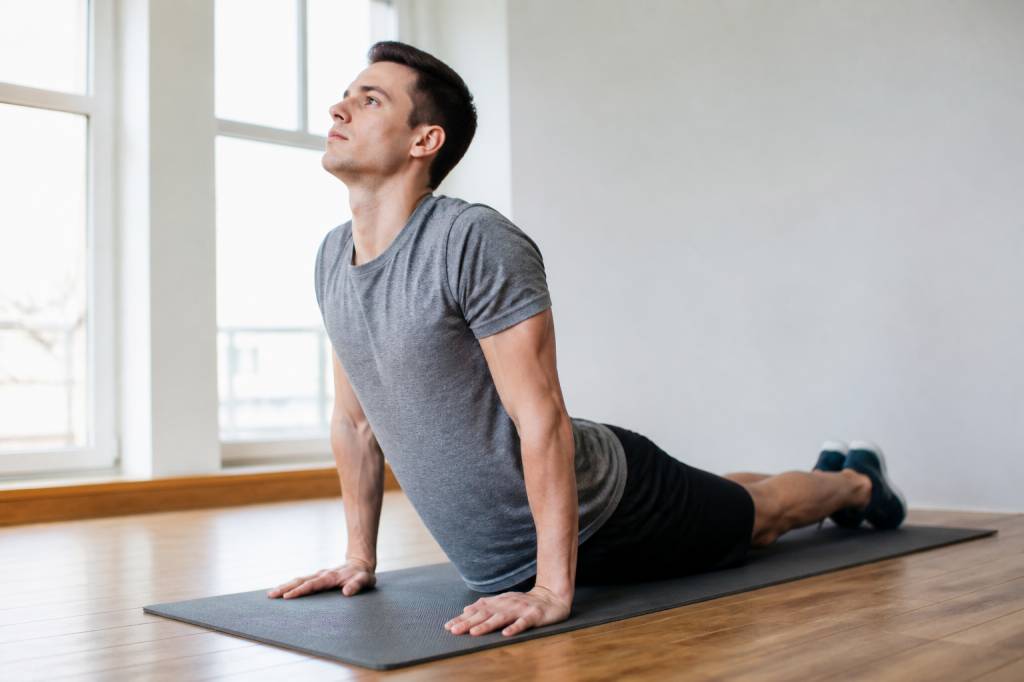
Can exercise make you taller? It is one of those questions that refuses to disappear—rather like the last biscuit in an Italian kitchen. If you are hoping that a particular stretch, swimming routine, or magical “grow taller” workout will add several inches to your height, the honest answer is important: exercise cannot lengthen your bones once your growth plates have closed.
However, that does not mean exercise is irrelevant. The right activities can support healthy development in children and teenagers, improve posture, strengthen the muscles that hold you upright, and help you look noticeably taller and more confident. For adults, exercise can help you stand at your full natural height, even though it cannot permanently change your skeleton.
So, what is the best exercise for growing taller? The answer depends on your age, your genetics, your growth stage, and what you mean by “growing taller.” Let’s separate fact from fitness folklore—and discover which exercises are genuinely worth your time.
Can exercise increase your height?
Your height is determined mainly by genetics, although nutrition, sleep, hormones, and general health also play important roles. During childhood and adolescence, the long bones in your legs, arms, and spine grow at special areas called growth plates. These plates are made of cartilage and allow bones to lengthen.
When puberty ends, growth plates gradually close. After that point, no exercise can make the bones longer. Hanging from a bar may feel wonderfully soothing, but it will not permanently add two inches to your height. Swimming may stretch your body and improve your posture, but it does not turn your skeleton into a growing skyscraper.
There is, however, a small daily variation in height. Your spinal discs become slightly compressed during the day because of standing, walking, and gravity. After sleeping, many people measure a little taller in the morning than in the evening. Stretching and gentle movement may temporarily reduce that compressed feeling, but this is not permanent growth.
For children and teenagers who are still growing, exercise supports the conditions in which healthy growth can happen. It helps build strong bones, muscles, balance, coordination, and overall physical health. Exercise does not override your genetic height potential, but it can help you reach that potential.
The best exercises for growing taller during adolescence
If you are still in your growing years, the best approach is not one miraculous exercise. It is a balanced routine combining weight-bearing activity, strength, mobility, and good recovery. Variety is far more useful than chasing a single “height-increasing” movement.
- Jumping and hopping: Activities such as skipping rope, basketball, volleyball, and light plyometric drills place healthy, controlled stress on the bones and support bone strength.
- Running: Jogging, sprinting, and playing active sports strengthen the legs and encourage general fitness.
- Swimming: Swimming is excellent for the whole body, flexibility, and cardiovascular health. It may help you appear longer and more relaxed, although it does not lengthen bones.
- Cycling: Cycling builds leg strength and endurance. Adjust the saddle correctly so your knees are not excessively bent at the bottom of each pedal stroke.
- Strength training: Age-appropriate resistance exercises can support muscles and bones when performed with proper technique and supervision.
- Mobility work: Gentle stretching for the hips, chest, shoulders, and spine can help maintain good posture and comfortable movement.
A teenager does not need to train like an Olympic athlete to support healthy development. A daily walk, a game of football with friends, a dance class, or a few rounds of jump rope can all be valuable. The best exercise is often the one you enjoy enough to repeat.
Stretching and hanging: useful, but often misunderstood
Hanging from a pull-up bar is frequently advertised as a height-increasing secret. The idea sounds convincing: gravity pulls the spine, the body stretches, and suddenly you are taller. In reality, hanging can decompress the spine temporarily and improve shoulder mobility, but it cannot permanently extend your bones.
It can still be a worthwhile exercise. Dead hangs may strengthen your grip, challenge your shoulders, and encourage you to become more aware of your posture. Start with short periods—perhaps 10 to 20 seconds—and stop if you feel pain, numbness, or discomfort in the shoulders.
Stretching follows the same rule. It can improve flexibility and help you stand straighter. If you usually slouch at a desk, opening the chest and strengthening the upper back may make an immediate visual difference. You have not grown new bone; you are simply no longer presenting yourself like a question mark.
Try this simple posture sequence:
- Stand with your feet comfortably apart and your knees relaxed.
- Gently draw your shoulders down and back without forcing them.
- Keep your chin level rather than pushing your head forward.
- Imagine a string lifting the crown of your head toward the ceiling.
- Take five slow breaths while keeping your ribs and pelvis naturally aligned.
Practise this for a few minutes each day. It is simple, free, and considerably less dramatic than hanging upside down from a doorway.
Exercises that help you look taller
For adults, the most realistic goal is not increasing skeletal height but improving alignment, proportions, and confidence. Certain exercises can help you stand at your natural maximum height and create a longer, more balanced silhouette.
Core exercises are especially useful. A stable core helps control the pelvis and spine, making it easier to maintain an upright posture. Planks, side planks, dead bugs, and bird-dogs are excellent options. Quality matters more than duration; a controlled 20-second plank is more useful than an exhausted minute of sagging hips.
Upper-back exercises can counteract the rounded posture encouraged by phones and computers. Rows, band pull-aparts, reverse flyes, and face pulls strengthen the muscles that support the shoulders and upper spine.
Glute and leg exercises also matter. Squats, lunges, step-ups, and hip bridges help create a strong foundation. When your hips and legs are stable, your posture often becomes more natural and confident.
A practical weekly routine might include:
- Two or three sessions of strength training.
- Daily light mobility work for the chest, hips, and spine.
- At least 150 minutes of moderate activity each week, adjusted to your fitness level.
- Short posture breaks every 30 to 60 minutes during desk work.
- Activities you genuinely enjoy, whether that means swimming, dancing, hiking, or playing basketball.
This combination will not change the number printed on your medical chart, but it can change how you carry yourself. And in fashion, posture is one of the most powerful accessories—completely free and never out of season.
Can yoga make you taller?
Yoga can improve flexibility, balance, body awareness, and posture. Poses such as mountain pose, cobra, child’s pose, cat-cow, downward-facing dog, and gentle spinal twists may help you feel more open and upright.
Yoga cannot lengthen the bones of an adult. Claims that a specific sequence permanently adds several inches should be treated with healthy scepticism. Still, a person who used to slouch may appear taller after improving spinal alignment and shoulder position. That visual change can be meaningful, especially in photographs, social situations, or professional settings.
Practise gently and avoid forcing deep backbends or twists. Flexibility is not a competition, and your spine is not a piece of warm pasta. If you have an injury or a medical condition, ask a qualified professional for advice before beginning.
Does strength training stunt growth?
This is a common concern among parents and teenagers. Properly designed strength training does not automatically stunt growth. In fact, supervised resistance exercise can improve muscle strength, coordination, bone health, and athletic performance.
The important words are properly designed. Young people should learn technique, use suitable resistance, avoid ego lifting, and train under knowledgeable supervision when possible. Problems are more likely to arise from poor form, excessive loads, inadequate recovery, or unsafe training environments—not from the basic act of lifting weights.
Teenagers should also allow time for sleep, meals, hydration, and rest days. Muscles and bones need recovery. Training harder every day is not a shortcut to height; sometimes it is simply a shortcut to exhaustion.
Sleep, nutrition, and growth
Exercise works best when supported by the fundamentals. During childhood and adolescence, sleep is particularly important because the body carries out many repair and development processes during rest. Consistently poor sleep can interfere with general health and may affect the conditions that support normal growth.
A balanced diet also matters. Growing bodies need enough energy, protein, calcium, vitamin D, iron, fruits, vegetables, and whole grains. No supplement can magically replace a nutritious diet or alter your genetic blueprint. Be cautious with products promising dramatic height increases, especially when they rely on before-and-after photos rather than credible evidence.
Useful everyday habits include:
- Eating regular, varied meals rather than relying heavily on ultra-processed snacks.
- Including protein sources such as eggs, fish, dairy, beans, lentils, tofu, or lean meat.
- Getting calcium and vitamin D through food and appropriate sunlight exposure, according to local health guidance.
- Drinking enough water, particularly during sport and hot weather.
- Maintaining a consistent sleep schedule.
If a child or teenager appears to be growing much more slowly than expected, or puberty seems unusually early or delayed, a doctor or paediatrician can assess growth patterns. One measurement is not the whole story; growth is usually evaluated over time.
What adults can realistically do to appear taller
Once growth plates have closed, the most effective height-related strategy is presentation. Exercise is part of it, but clothing and footwear can also help create a taller, cleaner line.
Well-fitted clothes are usually more flattering than oversized garments that overwhelm the body. Monochromatic outfits, vertical details, trousers with a clean break, and properly proportioned jackets can visually lengthen the silhouette. Avoiding excessive contrast between your top and bottom can also create a smoother vertical flow.
Elevator shoes offer another practical option. Unlike ordinary thick-soled shoes, well-designed elevator shoes hide the internal lift inside the shoe, allowing you to gain discreet height while maintaining a conventional appearance. The key is comfort and proportion. A modest lift that lets you walk naturally will always look better than an exaggerated sole that announces itself before you do.
Combine supportive footwear with stronger posture, a confident stride, and clothing that fits properly. Height is only one part of presence. The way you enter a room often speaks louder than the number of centimetres attached to your name.
A simple height-supporting workout
Here is a gentle routine suitable for many healthy adults and older teenagers. It is designed to support posture, mobility, strength, and general fitness—not to promise permanent bone growth.
- Cat-cow mobility: 8 to 10 slow repetitions.
- Wall posture hold: 30 seconds, repeated twice.
- Bird-dog: 8 repetitions per side.
- Glute bridge: 12 to 15 repetitions.
- Bodyweight squat: 10 to 15 repetitions.
- Band row or resistance row: 12 repetitions.
- Gentle chest stretch: 20 to 30 seconds per side.
- Optional dead hang: 10 to 20 seconds, if comfortable and safe.
Perform the circuit two or three times per week, moving slowly and stopping if you experience sharp pain, dizziness, numbness, or unusual discomfort. Add walking, swimming, cycling, or another enjoyable activity on other days.
So, is there a single best exercise for growing taller? Not exactly. For young people, the best “height exercise” is a varied, enjoyable, well-recovered active lifestyle that supports healthy development. For adults, exercise can improve posture and help you look taller, stronger, and more assured—but it cannot reopen closed growth plates.
That may not be the fairy-tale answer, but it is a useful one. Move regularly, sleep properly, eat well, train intelligently, and stand as though you belong in the room. Add a well-cut outfit and a discreet pair of elevator shoes, and you may discover that looking taller is not about chasing a miracle. It is about making the most of the height, style, and presence you already possess.