
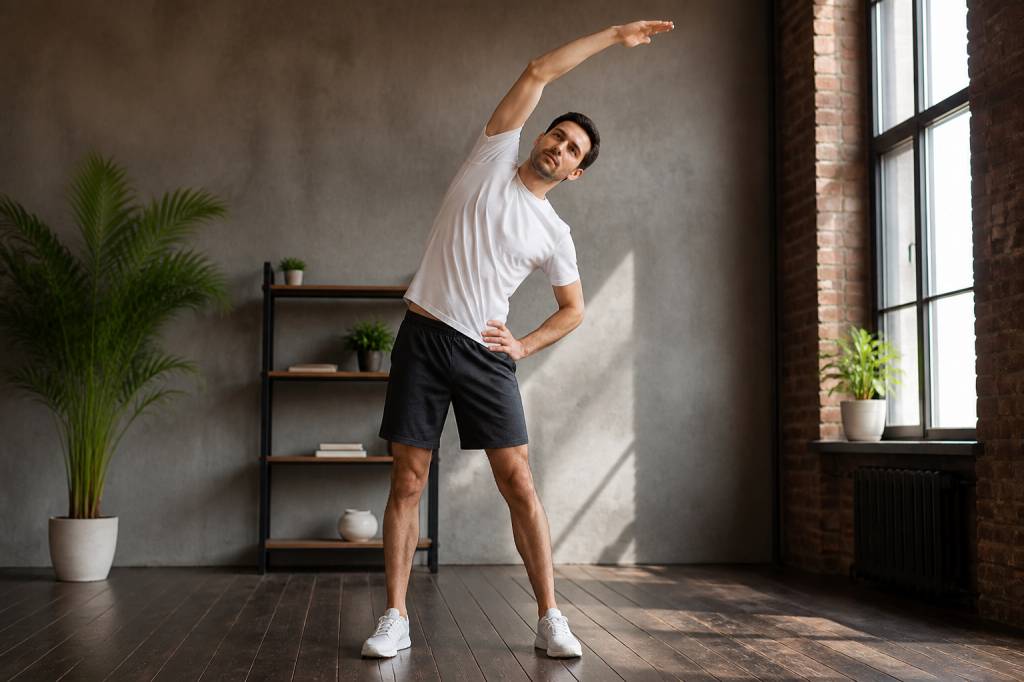
If you have ever stood in front of the mirror, stretched your neck a little, straightened your shoulders, and wondered, “Is there any exercise that can actually help me grow taller?” — you are in very good company. It is one of the most searched questions in the world of height, right next to “How tall is that actor?” and “Do elevator shoes really work?”
Let’s be honest from the start: exercise cannot magically lengthen your bones after puberty. But that does not make the question pointless. In fact, the right exercises can help you look taller, stand taller, and, during your growing years, support healthy growth in every way that matters. Posture, spinal health, core strength, mobility, and even the way you move all play a role in how much height you appear to have. And if you are still in your growth phase, exercise can support the conditions your body needs to reach its natural potential.
So what is the best exercise for height growth? The short answer: there is no single miracle move. The best results usually come from a smart combination of stretching, hanging, swimming, yoga, posture work, and sports that encourage full-body movement. Let’s break it down with no nonsense and a bit of style, because posture is serious business, but it should never feel like a lecture from a stern schoolmaster.
What exercise can and cannot do for height
Before we get into the best movements, we need to clear the fog. Many people search for “height growth exercises” hoping for a guaranteed few extra centimeters. The reality is more subtle. Your final height is mostly determined by genetics, nutrition, hormones, and overall health during childhood and adolescence. Exercise cannot override your DNA, but it can help your body grow under the best possible conditions.
Here is what exercise can do:
- Support healthy bone development during childhood and teenage years
- Improve posture so you stand straighter and appear taller
- Strengthen your core and back muscles, reducing slouching
- Increase spinal mobility and reduce compression from poor movement habits
- Help maintain a healthy body weight, which supports overall physical development
And here is what it cannot do:
- Extend your bones after the growth plates have closed
- Replace sleep, nutrition, or genetics
- Turn an average-height adult into a giant overnight, no matter what an online ad promises
Still, if your goal is to maximize growth during your teen years or make the most of your natural frame as an adult, exercise is one of your best allies. In a way, it is like tailoring a good suit: it does not change who you are, but it can dramatically improve how you carry yourself.
The best exercise for height growth: hanging
If I had to choose one exercise that gets the most attention in height-related conversations, it would be hanging. You have probably seen it in gym videos or heard about it from someone who swears by the pull-up bar at the park.
Why is hanging so popular? Because it gently decompresses the spine. When you hang from a bar, gravity stretches your body in a controlled way. This does not make your bones longer, but it can help relieve spinal compression and improve posture. For some people, that means a slight immediate increase in measured height during the day, especially if they spend hours sitting at a desk.
How to do it:
- Grip a sturdy bar with both hands, slightly wider than shoulder-width
- Let your body hang with your feet off the ground
- Keep your shoulders relaxed, not shrugged up around your ears
- Hold for 20 to 40 seconds
- Rest and repeat for 3 to 5 sets
If you are a beginner, you may need to start with shorter holds. The point is not to suffer dramatically like a hero in a Mediterranean tragedy. The point is to give your spine space and your muscles a chance to lengthen and relax.
Hanging is especially useful if your day involves long periods of sitting, which compress the spine and encourage poor posture. Add a few sets daily, and you may notice you stand a little taller by the end of the week.
Swimming: the graceful full-body favorite
Swimming has long been associated with height and athletic development, and for good reason. It is one of the best all-around exercises for young people and adults alike. The water supports your body, reduces joint stress, and encourages the full extension of your arms, legs, and spine.
Unlike exercises that isolate one muscle group, swimming works almost everything at once. Your shoulders open, your core stays active, your back muscles strengthen, and your posture often improves naturally. That combination makes swimming a strong candidate for anyone trying to support height growth during adolescence.
Some of the best strokes for this purpose include:
- Freestyle, for long body extension and rhythmic movement
- Backstroke, which naturally opens the chest and encourages spinal alignment
- Butterfly, for powerful full-body engagement, though it is more demanding
There is also something wonderfully elegant about swimming. It is the rare workout that can make you feel both disciplined and a little cinematic. If hanging is the practical answer, swimming is the romantic one.
Stretching and yoga for posture and spinal freedom
Stretching alone will not make your bones grow, but it can do something very important: it can help your body express its full height. Tight hips, hamstrings, chest muscles, and lower back muscles all contribute to a compressed, slouched appearance. Release that tension, and suddenly your frame looks longer and more open.
Yoga, in particular, is excellent for this. It combines flexibility, breath control, balance, and body awareness. Many yoga poses also strengthen the core and back, which are essential for good posture.
Helpful stretches and poses include:
- Downward Dog, to lengthen the spine and open the shoulders
- Cobra Pose, to strengthen the lower back and improve spinal extension
- Cat-Cow, to increase spinal mobility
- Child’s Pose, for gentle back release
- Forward folds, to stretch the hamstrings and reduce pelvic tightness
One of the best things about yoga is that it teaches you awareness. Many people think they are standing straight when, in truth, their shoulders are rounding forward and their pelvis is tilted. A little yoga can reveal the truth in the mirror, and the truth is often taller than you expected.
Sports that support natural growth
If you are still in your teenage years, sports can be a major advantage. The best growth-supporting sports are the ones that involve jumping, sprinting, stretching, and coordinated full-body movement. They stimulate the muscles and bones in ways that support healthy development.
Examples include:
- Basketball
- Volleyball
- Swimming
- Soccer
- Tennis
- Track and field
Basketball and volleyball often get the reputation for being “tall people’s sports,” but they are also excellent for developing explosive movement and posture. Jumping, reaching, and changing direction all contribute to athletic development. Plus, there is something motivating about reaching for a ball in the air. It makes you feel like your body is learning to take up space with confidence.
That said, sports are not magic pills. Their value lies in the broader package: movement, endurance, coordination, healthy habits, and often better sleep and appetite. All of these matter when your body is growing.
Posture exercises: the hidden height booster
If you want to look taller immediately, posture work may be more valuable than any other exercise. Poor posture can steal visible height in a way that is almost unfair. Rounded shoulders, forward head posture, and a collapsed chest can make even a tall person look shorter than they really are.
The good news is that posture can often be improved with consistent work. The best exercises are simple and effective:
- Wall angels
- Planks
- Bird-dogs
- Glute bridges
- Rows with resistance bands or weights
These exercises strengthen the muscles that support an upright posture: the upper back, core, glutes, and shoulders. When these areas are weak, the body often collapses forward. When they are strong, your frame opens up naturally.
I always think posture is like the frame of a beautiful jacket. If the shoulders sit badly, the entire look suffers. But when the structure is right, everything else falls into place with almost insulting ease.
Why core and back strength matter
People often imagine height as something isolated to the legs or the spine, but the truth is more architectural. Your core and back muscles are the scaffolding that hold you upright all day long. Without them, even a naturally tall person can look compressed.
A weak core may lead to excessive lower-back arching or slouching. Weak upper-back muscles often contribute to rounded shoulders. A combination of both can reduce your apparent height and make movement look less confident.
That is why exercises like planks, dead bugs, rows, and bridges deserve a place in any height-focused routine. They do not directly lengthen the body, but they allow it to function in a taller, cleaner alignment.
If you want to measure progress, do not only look at the scale or the tape measure. Check how you stand after a full day of work or school. Do your shoulders stay open? Is your neck less tense? Do you feel lighter on your feet? These are often the first real signs that your body is learning to carry itself better.
How often should you train for height support?
The best routine is the one you can repeat consistently. For teenagers, a balanced weekly plan may include 3 to 5 days of active sports or general exercise, plus daily posture and stretching work. Adults can benefit from shorter, more consistent sessions focused on mobility, strength, and spinal decompression.
A simple weekly structure could look like this:
- Daily: hanging, light stretching, and posture drills
- 3 to 4 times per week: swimming, basketball, running, or another sport
- 2 to 3 times per week: core and back strength training
- Every day: take breaks from sitting and stand tall on purpose
Consistency matters more than intensity. You do not need to train like an Olympic athlete to support height-related goals. In fact, overtraining can be counterproductive if it leads to fatigue, poor recovery, or injury. A healthy body grows best when it is challenged, not punished.
What else helps besides exercise
It would be misleading to pretend exercise works alone. Height potential depends on a full lifestyle picture. If you want to support growth, these factors are essential:
- Sleep: Growth hormone is closely linked to deep sleep, especially during adolescence
- Nutrition: Protein, calcium, vitamin D, magnesium, and overall calorie intake matter
- Hydration: Dehydrated muscles and discs do not behave at their best
- Recovery: Rest days help your body adapt and grow
- Good habits: Less screen slouching, better desk setup, more movement throughout the day
If you are serious about getting taller naturally, think of exercise as one part of an ensemble. Sleep plays first violin. Nutrition keeps the rhythm. Exercise adds movement and shape. And posture? Posture is the elegant finale that makes everything look intentional.
A realistic routine for teens and adults
For teens who are still growing, the priority is to stay active, eat well, and sleep enough. A practical routine might include hanging, swimming, basketball, yoga, and posture work. The goal is to create the best possible environment for natural growth.
For adults, the goal changes slightly. You are no longer trying to influence bone growth, but you can absolutely improve how tall you appear and how well you carry your frame. In that case, the winning formula is:
- Hanging for spinal decompression
- Yoga and stretching for flexibility
- Strength training for posture
- Walking and mobility work for daily alignment
- Smart clothing choices, if you want the finishing touch
And yes, that last point matters more than people admit. A good posture routine combined with well-chosen shoes can change your presence immediately. Sometimes height is not only about centimeters. It is about confidence, silhouette, and the way you occupy a room.
The most effective answer, in one sentence
If you want the best exercise for height growth, choose the one that combines spinal decompression, posture improvement, and full-body movement — especially hanging, swimming, yoga, and posture-focused strength work. That is the closest thing to a complete answer.
No single exercise will rewrite your genetics, but the right mix can help you stand at your best, move with more ease, and support natural growth if your body is still developing. And even when growth plates are closed, better posture and stronger alignment can make a noticeable difference. Sometimes the secret to looking taller is not forcing height. It is giving your body the chance to reveal it.
So the next time someone asks whether exercise can help you grow taller, you can smile and answer with confidence: not by magic, but by mechanics, consistency, and a bit of good old-fashioned body intelligence. Which, frankly, is much more elegant anyway.