
If you have ever stood in front of a mirror and thought, “Could I squeeze out a little more height here?”, you are in very good company. On a good day, height feels like a detail. On a less charming day, it can feel like the first thing the room notices. The truth is, exercise will not magically lengthen your bones once growth plates have closed, but the right movements can help you maximize your natural height potential, improve posture, and create a taller-looking silhouette that does wonders in real life.
And honestly, that is not a small thing. A straighter back, an opened chest, a stronger core, and a flexible spine can make you look taller, move better, and even feel more confident when you walk into a room. Add a few smart habits on top, and you give yourself the best possible shot at standing at your full height, whether you are still growing or simply trying to look your best.
What exercise can and cannot do for height
Let’s start with a bit of honesty, the kind I appreciate in both fashion and fitness. If you are an adult, no workout will grow new bone length in your legs or spine. That part is mostly written by genetics and age. But exercise can still help in several meaningful ways:
- Improve posture so you stand straighter
- Reduce slouching and rounded shoulders
- Strengthen the core and back to support the spine
- Increase flexibility and mobility
- Help decompress the spine after long hours of sitting
- Support healthy growth in children and teenagers
That means the question is not “How can I become taller overnight?” because, sadly, we are not in a Mediterranean fairy tale. The better question is: “Which exercises help me look and feel as tall as possible?” That is where the magic lives.
Posture exercises that make an immediate difference
If I had to choose the best place to begin, it would be posture. A man with great posture often looks taller than a man who is technically taller but folded forward like a beach chair after a long summer.
Here are the exercises that do the most for your vertical presence.
Wall angels
Wall angels are simple, elegant, and surprisingly effective. They open the chest, strengthen the upper back, and train your body to keep your shoulders from drifting forward.
How to do them:
- Stand with your back against a wall
- Keep your heels, buttocks, upper back, and head lightly touching the wall
- Raise your arms to form a goalpost shape
- Slowly slide your arms up and down while keeping contact with the wall as much as possible
Do 2 to 3 sets of 10 slow repetitions. If your shoulders protest a little at first, that is normal. The body is fond of old habits, even the lazy ones.
Planks
A strong core is one of the best allies of good posture. Think of it as the invisible tailor of your body, keeping everything fitted and upright.
Planks help you build the abdominal and lower back strength needed to stay tall without effort.
How to do them:
- Place your forearms on the ground
- Extend your legs behind you
- Keep your body in a straight line from head to heels
- Avoid sagging hips or lifting the butt too high
Start with 20 to 30 seconds and gradually work up to 60 seconds or more. Quality matters more than heroics here. A perfect 30-second plank beats a sloppy minute.
Chin tucks
Many people unknowingly carry their heads forward, especially after hours on a phone or laptop. That forward head posture can make the neck look shorter and the whole frame less upright.
Chin tucks retrain the neck to align properly.
How to do them:
- Sit or stand tall
- Gently pull your chin straight back, as if making a double chin on purpose
- Hold for 3 to 5 seconds
- Release and repeat
This is one of those exercises that looks almost too easy to matter, which is often how the most useful habits behave.
Spine-friendly stretching for a taller look
Your spine is not a rigid pole. It likes movement, length, and a little care. Stretching will not make your vertebrae grow, but it can reduce compression, improve mobility, and help you stand with more natural length.
Cat-cow stretch
This yoga classic is excellent for spinal mobility. It gently moves the spine through flexion and extension, which helps you feel less stiff and more upright.
How to do it:
- Start on hands and knees
- Arch your back while lifting your head and tailbone for the “cow” position
- Round your spine and tuck your chin for the “cat” position
- Move slowly and breathe deeply
A few rounds in the morning can wake up the back better than a strong espresso. And that says a lot.
Hanging from a bar
Hanging is one of the most talked-about exercises in height discussions, and for good reason. It creates a gentle spinal decompression effect, which can help you temporarily regain a little height lost during the day from sitting, standing, and gravity doing its relentless job.
How to do it:
- Grab a sturdy pull-up bar with an overhand grip
- Let your body hang with relaxed shoulders
- Keep your core lightly engaged
- Hold for 15 to 30 seconds
If you are a beginner, use a bench to help you get into position or start with shorter holds. The goal is not pain. The goal is decompression and control.
Forward fold
A gentle standing forward fold stretches the hamstrings and lower back, areas that often become tight and can subtly pull the body into a shorter-looking posture.
How to do it:
- Stand with feet hip-width apart
- Hinge at the hips and let your upper body fold forward
- Keep the knees slightly bent if needed
- Let the neck relax
Hold for 20 to 30 seconds and breathe slowly. Think of it as a reset button for a long, tense day.
Exercises that support natural growth in teenagers
If you are still in your growing years, the story changes a little. Exercise can support healthy development by improving circulation, maintaining a healthy weight, building strong bones, and keeping the body active. It is not a growth potion, of course, but it creates the kind of environment where your body can do its job properly.
The best activities for teenagers who want to maximize their growth potential include:
- Basketball
- Swimming
- Running and sprinting
- Skipping rope
- Bodyweight training
- Yoga and mobility work
Basketball and swimming are often mentioned because they combine full-body movement, coordination, and posture work. But the real key is not choosing a “miracle sport.” It is staying active consistently, sleeping enough, and eating well. Growth likes discipline more than drama.
Strength training and height: friend or foe?
People sometimes worry that lifting weights will stunt growth. That myth refuses to retire gracefully, but the evidence does not support it when training is done properly. In fact, strength training can be very helpful for posture, bone density, and overall physical development.
The important part is technique. Poor form and overly heavy loads can cause injury, and injury can absolutely affect how your body develops or how tall you appear. So if you lift, do it smartly:
- Focus on proper form
- Use moderate weights
- Prioritize compound movements like squats, rows, and deadlifts
- Work with a coach if you are unsure
- Avoid ego lifting, which is never as glamorous as it sounds
A strong body supports a tall body. The two are far better friends than enemies.
Best daily routine for standing taller
If you want something practical, here is a simple routine that can help you look taller and move better. You do not need a gym palace or a tragic amount of free time. Just consistency.
- 2 minutes of chin tucks
- 2 sets of wall angels
- 30 seconds to 1 minute of planks
- 2 rounds of cat-cow
- 20 to 30 seconds of hanging, if you have a bar
- 1 to 2 minutes of forward folding and hamstring stretching
Do this in the morning, after work, or before bed. The exact timing matters less than the habit itself. Over time, your posture improves, your body feels less compressed, and your natural height shows up more clearly.
Everyday habits that affect how tall you look
Exercise is only part of the story. A few daily habits can make a noticeable difference too.
First, avoid long periods of sitting without moving. Sitting is a sneaky thief of posture. Stand up, stretch, and walk around every hour if possible.
Second, sleep enough. During sleep, the spine decompresses, and your body does much of its repair work. If you are a teenager, sleep is even more important for growth.
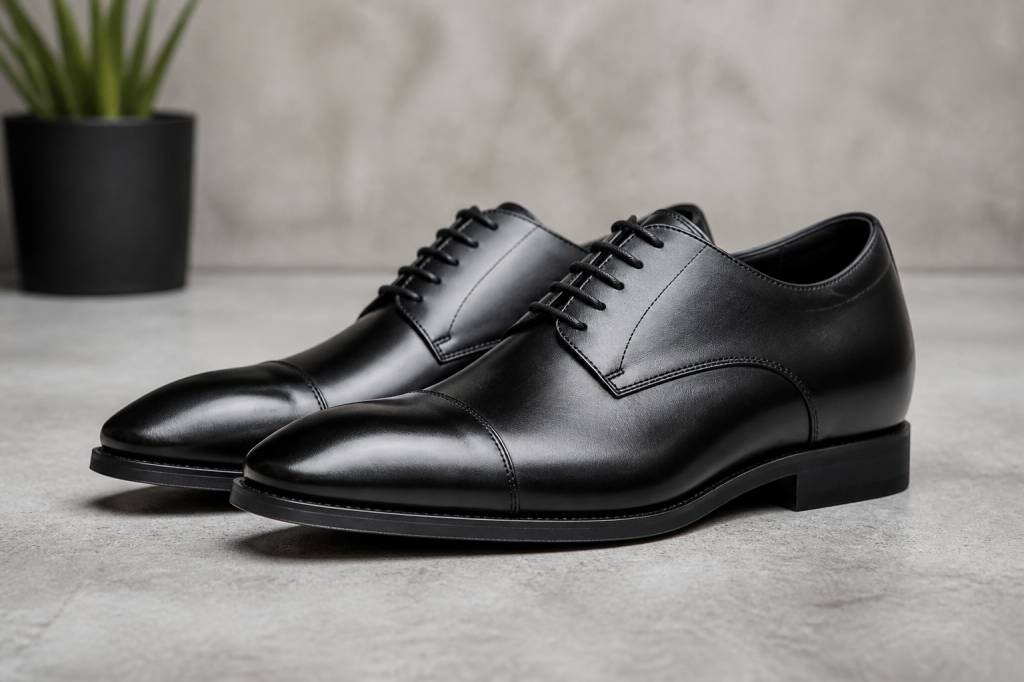
Third, keep an eye on your footwear. I would be remiss not to mention this, given the world of elevator shoes. A well-chosen pair can add height discreetly and instantly, but it works best when paired with good posture. A taller shoe with a slouched posture is like a beautiful suit worn with sand in the pockets. The effect gets lost.
Finally, stay hydrated. Your spinal discs need water to stay healthy and cushioned, which supports posture and movement. Small detail, big impact.
What to avoid if you want to maximize your height potential
Some habits quietly work against a taller appearance. If you want to stand at your best, keep an eye on these:
- Slouching at your desk
- Weak core muscles
- Tight hamstrings and hip flexors
- Too little sleep
- Poor nutrition
- Carrying tension in the neck and shoulders
None of these are glamorous, but they all matter. The good news? They are fixable.
A realistic mindset about height
Height has a strange psychological power. It can feel like a verdict when in reality it is only one part of your presence. Exercise will not rewrite your genetics, but it can sharpen your posture, improve your proportions, and help you carry yourself with more confidence. And confidence, I would argue, often does more for a man’s impression than an extra centimeter ever could.
Think of height improvement as a combination of three things: better posture, stronger support, and smarter daily habits. That trio is where the real gains happen. Some are visible immediately, some build over time, and together they create the best version of your frame.
If you are patient, consistent, and willing to move with intention, you will not just look taller. You will look more composed, more athletic, and more self-assured. And that is a very fine place to stand.