
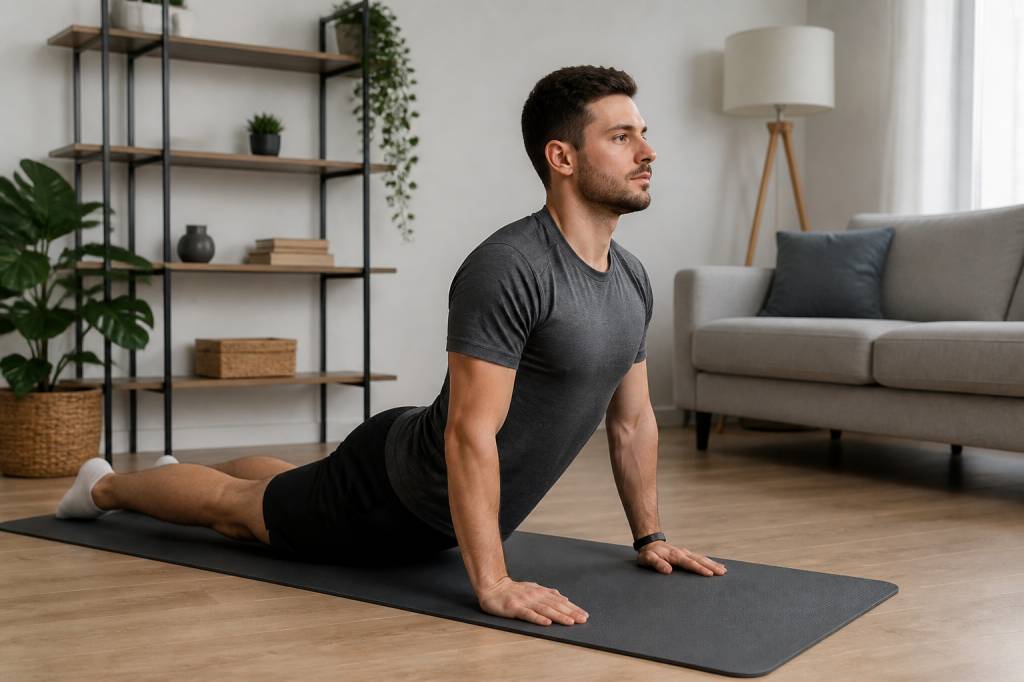
Let’s begin with the honest answer: no exercise can permanently lengthen the bones of an adult once the growth plates have closed. I know, not the most dramatic opening for an article about getting taller—but good style begins with standing on solid ground, and so does good advice.
That said, exercise can still help you look taller, stand straighter, move with more confidence, and support healthy growth during childhood and adolescence. Some routines also relieve spinal compression temporarily, which may make you feel slightly taller after stretching or sleeping. The effect is real, but it is not the same as growing several permanent inches.
So, what are the best exercises to get taller naturally and safely? The answer depends on your age and your expectations. For younger people, regular physical activity supports strong bones, muscles, coordination, and overall health. For adults, the focus should be posture, mobility, spinal comfort, and a taller-looking silhouette.
Can exercise really make you taller?
Your height is influenced mainly by genetics, nutrition, hormones, sleep, and general health. During childhood and puberty, the long bones grow at areas called growth plates. Once these plates close—usually toward the end of puberty—exercise cannot reopen them or extend the bones.
Swimming, basketball, hanging, and stretching are often described as “height-increasing” exercises. They are excellent activities, but they do not magically pull the skeleton into a new permanent shape. Basketball players are often tall because height can be an advantage in the sport, not because shooting hoops adds inches to their legs.
Still, movement matters. A person with rounded shoulders, a forward head, or a habit of slouching may appear shorter than their actual height. Improving alignment can reveal the height you already have. In my experience, a confident posture can change the entire impression of an outfit—even before the elevator shoes make their entrance.
The best exercises for better posture and a taller appearance
The following exercises are safe for most healthy adults and teenagers when performed gently and consistently. They will not lengthen your bones, but they can help you stand more upright and create a longer, more balanced appearance.
Wall posture alignment
This simple exercise teaches your body what good alignment feels like.
- Stand with your back against a wall.
- Place your feet a few inches away from the wall, hip-width apart.
- Keep your hips, upper back, and the back of your head gently aligned with the wall.
- Relax your shoulders and keep your chin level—not lifted toward the ceiling.
- Hold for 30 to 60 seconds and breathe naturally.
Repeat two or three times. Do not force your lower back flat against the wall. A small natural curve is normal. Think tall, relaxed, and elegant—like you have just spotted someone interesting across a Milanese café.
Chin tucks
Forward-head posture is common, especially for people who spend hours looking at a phone or laptop. Chin tucks strengthen the muscles that support a more neutral neck position.
- Sit or stand with your spine comfortably straight.
- Look forward and gently draw your chin backward, as if making a subtle double chin.
- Do not look down or press your head backward aggressively.
- Hold for three to five seconds.
- Repeat eight to twelve times.
You should feel mild work at the front or back of the neck, not sharp pain. Small movements are enough. Your neck is not a stubborn shirt collar; there is no need to wrestle with it.
Chest stretch in a doorway
Tight chest muscles can pull the shoulders forward, making the upper body look compressed. A doorway stretch can help open the front of the chest.
- Stand in a doorway with your forearms resting against the frame.
- Keep one foot slightly in front of the other.
- Gently shift your body forward until you feel a comfortable stretch across the chest.
- Hold for 20 to 30 seconds.
- Repeat two or three times.
Keep the stretch mild. Numbness, tingling, or sharp discomfort is a signal to stop and adjust your position.
Cat-cow mobility
This gentle yoga movement improves awareness and mobility through the spine. It may be particularly helpful after a long day at a desk.
- Start on your hands and knees, with wrists under shoulders and knees under hips.
- As you inhale, gently lift your chest and tailbone while allowing the spine to extend.
- As you exhale, round your back softly and draw your chin toward your chest.
- Move slowly for six to ten repetitions.
Cat-cow should feel smooth rather than extreme. The goal is controlled mobility, not attempting to become a human pretzel.
Bird-dog
The bird-dog exercise strengthens the core and improves balance. A stable core helps you maintain an upright posture without stiffening your back.
- Begin on your hands and knees.
- Extend your right arm and left leg until they are roughly in line with your body.
- Keep your hips level and avoid twisting.
- Hold for three to five seconds, then return to the starting position.
- Repeat on the opposite side for six to ten repetitions per side.
If extending both limbs feels difficult, begin by lifting only one arm or one leg. Quality matters more than dramatic athletic performance.
Glute bridges
Strong gluteal muscles support the pelvis and can contribute to better standing mechanics. They are also useful for people who sit for long periods.
- Lie on your back with knees bent and feet flat on the floor.
- Place your feet about hip-width apart.
- Gently tighten your abdomen and squeeze your glutes.
- Lift your hips until your body forms a comfortable diagonal line from shoulders to knees.
- Pause briefly, then lower with control.
- Perform two sets of 10 to 15 repetitions.
Avoid arching your lower back to lift higher. The movement should come from the hips, not from forcing the spine into an exaggerated curve.
Stretching exercises that may help you feel taller
Stretching cannot permanently increase adult height, but it can reduce stiffness and help you stand at your natural full length. The spine experiences gentle compression during the day, particularly when sitting or carrying weight. After sleep, many people measure slightly taller than they do at night. This daily change is normal and temporary.
Child’s pose
Kneel on the floor, sit your hips toward your heels, and extend your arms forward. Allow your forehead to rest on a cushion if needed. Hold for 20 to 40 seconds while breathing slowly.
This position can relax the back and shoulders. If your knees or hips are uncomfortable, place a pillow beneath your hips or choose another stretch.
Standing side stretch
Stand tall with your feet comfortably apart. Raise one arm overhead and lean gently to the opposite side without rotating your torso. Hold for 15 to 25 seconds, then switch sides.
Imagine creating space between your ribs and pelvis. Do not collapse forward or push into pain.
Gentle hanging
Hanging from a secure pull-up bar may temporarily relieve some spinal pressure and improve shoulder mobility. It will not make your arm or leg bones longer, and it is not appropriate for everyone.
- Use a bar that is properly installed and able to support your weight.
- Begin with your feet lightly touching the floor or a step.
- Hold for 10 to 20 seconds rather than forcing a long hang.
- Keep your shoulders controlled instead of allowing them to strain.
- Stop if you feel pain in the shoulders, elbows, wrists, or back.
People with shoulder injuries, joint instability, certain spinal conditions, or other medical concerns should ask a qualified professional before trying this exercise.
Activities that support healthy growth in young people
For children and teenagers who are still growing, the best approach is not chasing a single “magic” exercise. A varied, enjoyable routine is far more useful. Running, jumping, swimming, cycling, dancing, gymnastics, martial arts, and team sports can all support fitness and strong bones.
Strength training can also be safe for young people when it is supervised and focused on technique. Properly designed resistance exercises do not automatically stunt growth. Problems usually arise from poor supervision, excessive loads, or ignoring pain.
Young people should aim for regular daily movement, with activities that challenge the heart, muscles, balance, and coordination. The exact routine should match their age, experience, and health. A pediatrician, coach, or physiotherapist can help create an appropriate plan.
Sleep, nutrition, and the height habits that matter
Exercise works best alongside basic health habits. During childhood and adolescence, the body needs sufficient energy and nutrients to develop normally.
- Sleep: Maintain a consistent sleep schedule. Growth-related hormones are closely connected with sleep, and tired bodies do not perform or recover well.
- Protein: Include foods such as eggs, fish, dairy products, beans, lentils, poultry, tofu, or nuts.
- Calcium and vitamin D: These nutrients support bone health. Food sources and sunlight exposure may help, while supplements should be discussed with a healthcare professional.
- Fruits and vegetables: A wide variety provides vitamins, minerals, and fiber.
- Hydration: Water supports normal physical performance and recovery.
Be cautious with pills, powders, and online programs promising dramatic height gains. If a product claims to add several inches without surgery or natural growth, your wallet may be the thing doing the growing.
A simple weekly routine
Consistency beats intensity. Try this balanced routine three to five days per week:
- Five minutes of gentle warm-up, such as walking or marching in place.
- Wall posture alignment: two 30-second holds.
- Chin tucks: eight to twelve repetitions.
- Bird-dog: six to ten repetitions per side.
- Glute bridges: two sets of 10 to 15 repetitions.
- Chest stretch: two 20-second holds.
- Cat-cow: six to ten slow repetitions.
- Five to ten minutes of enjoyable movement, such as swimming, cycling, dancing, or brisk walking.
On other days, take regular breaks from sitting. Stand up every 30 to 60 minutes, walk around, roll your shoulders, and reset your posture. These small habits often make a greater visual difference than one heroic stretching session each Sunday.
When to seek professional advice
Stop exercising and seek medical guidance if you experience sharp pain, persistent back pain, numbness, weakness, dizziness, or joint swelling. A physiotherapist can assess posture and movement, while a doctor can investigate concerns about delayed growth, unusually rapid growth, hormonal issues, or significant changes in height.
Parents should also avoid comparing a child’s growth too closely with classmates or siblings. Growth happens at different speeds. If a child appears to be growing much more slowly than expected, a pediatrician can review their growth chart and overall health.
For adults, the most realistic path to looking taller is a combination of upright posture, a strong and mobile body, well-fitted clothing, and—when desired—elevator shoes designed with a discreet internal lift. Exercise gives you the foundation; personal style adds the final flourish.
Stand tall, move regularly, sleep well, and treat your body with patience. You may not be able to negotiate with genetics, but you can certainly improve the way you carry yourself—and confidence, as every stylish man eventually discovers, has a way of adding a few invisible inches.