
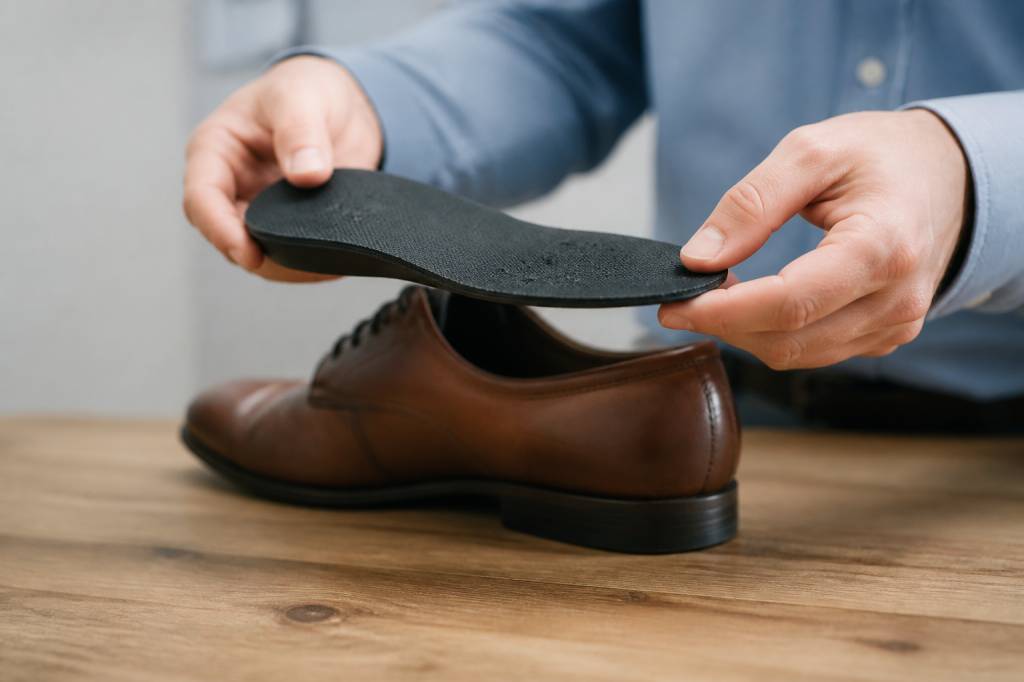
There are mornings when a man looks in the mirror, adjusts his jacket, and thinks, “Everything is right… except I would gladly borrow a few extra inches.” I know the feeling. Height can influence the way clothes fall, the way we carry ourselves, and even the first impression we make when entering a room.
Height-adjusting insoles offer a remarkably simple answer. Slipped inside your shoes, they can add discreet elevation instantly, without changing your wardrobe or announcing your little style secret to the world. They are not magic, of course—but when chosen and used correctly, they can make you look taller while keeping your appearance natural and comfortable.
What are height-adjusting insoles?
Height-adjusting insoles, also called elevator insoles or shoe lifts, are inserts designed to raise the heel inside a shoe. Most are made from foam, silicone, leather, or a combination of materials. They typically add between 1 and 3 inches of height, depending on the design.
Unlike elevator shoes, which contain a built-in elevated sole, height-adjusting insoles can be moved from one pair of shoes to another. That makes them a flexible option for men who want a quick boost with their favorite sneakers, boots, loafers, or formal shoes.
The lift is usually concentrated under the heel, although some better-designed models use a gradual incline. This sloping shape is important. A sudden, steep lift may feel unstable, while a gradual lift supports the foot more naturally.
How much taller can insoles make you look?
The answer depends on the type of insole and the shoe you wear. Low-profile inserts may add around 0.5 to 1 inch. Adjustable models can often provide between 1 and 2.5 inches. Taller versions may promise more, but greater elevation also brings greater demands on comfort, balance, and shoe space.
For everyday wear, a lift of around 1 to 1.5 inches is often the most discreet choice. It subtly improves your proportions without making your walk look unusual. In a well-fitting boot or high-top sneaker, you may be able to use a little more.
Remember that the goal is not to create a dramatic difference that attracts attention. The most successful height increase is the one nobody notices. You simply look a little taller, your trousers may fall more neatly, and your posture often becomes more confident. That is a very handsome trio.
Why are they such a discreet option?
The great appeal of height-adjusting insoles is that they remain hidden. Unlike thick external soles or visibly raised heels, the lift sits inside the shoe. From the outside, your footwear can look completely ordinary.
This is particularly useful when you already own shoes you love. Perhaps you have a pair of brown leather boots that fit your style perfectly, or white sneakers that accompany half your wardrobe. Instead of replacing them, you can add a suitable insert and enjoy a little extra height.
They are also convenient for travel, dates, business meetings, weddings, and evenings when you want to feel especially polished. One pair of adjustable insoles can serve several shoes, although you must check that each shoe provides enough room.
Choosing the right height-adjusting insole
Not every shoe lift is created with the same level of care. A cheap, rigid insert may technically add height, but if it pinches your heel or pushes your toes forward, the result will not feel elegant. Your feet, dear reader, are not interested in sacrificing themselves for fashion.
When shopping, pay attention to the following features:
- Adjustable height: Removable layers allow you to choose a lift that feels natural for your foot.
- Gradual elevation: A sloped design is generally more comfortable than a sharp, high heel.
- Shock absorption: Foam or silicone cushioning can reduce pressure during walking.
- Heel stability: A deep heel cup helps keep the insert from sliding inside the shoe.
- Breathable materials: Mesh, leather, or ventilated foam can help reduce heat and moisture.
- Trim-to-fit construction: Some insoles can be carefully cut to match the shape of your shoe.
- Non-slip surfaces: Grip is essential, especially when the insert is used in smooth leather shoes.
An insole should support your foot, not merely lift it. If the product feels like a small mountain under your heel, it is probably too high for daily use.
Which shoes work best with elevator insoles?
Boots are usually the easiest match. Their higher sides help hold the foot and conceal the additional height. Chelsea boots, lace-up boots, and casual ankle boots often provide enough internal space for a discreet lift.
High-top sneakers can also work well because their structure offers extra ankle support. Certain roomy trainers may be suitable too, but slim fashion sneakers can become uncomfortable if the insole takes up too much space.
Loafers and dress shoes require more care. A low-cut shoe may expose the heel if the insert is too tall, and a tight formal shoe may not have enough room. Choose a low-profile lift and make sure your heel remains securely inside the shoe when you walk.
Very thin ballet-style shoes, narrow pointed shoes, and minimalist sneakers are usually poor candidates. They simply do not offer enough volume. Trying to force a large insert into a small shoe is a reliable way to transform a stylish afternoon into a negotiation with your toes.
How to wear height-adjusting insoles comfortably
The first rule is simple: begin with less height than you think you need. If your adjustable insole has several layers, start with the lowest setting. Walk around your home for ten or fifteen minutes. Notice whether your heel stays secure, whether your toes feel cramped, and whether your stride remains natural.
Increase the height gradually only if the shoe still feels stable. Your body needs time to adapt to the changed angle of the foot. Wearing a maximum-height lift for an entire day without testing it first is not a courageous fashion experiment. It is an invitation to uncomfortable feet.
Follow these practical steps:
- Remove the original insole if the shoe has a removable one and the replacement is too thick.
- Place the height-adjusting insole flat and centered inside the shoe.
- Ensure the heel sits fully inside the heel cup.
- Wear the shoes indoors before taking them outside.
- Begin with short periods of use and increase gradually.
- Stop if you experience pain, numbness, rubbing, or unusual pressure.
It is also wise to alternate shoes. Wearing elevated insoles every day for long hours may place additional stress on the calves, ankles, or lower back, particularly if the lift is high. A little variety is good for your wardrobe and your feet.
Height-adjusting insoles and posture
Adding height can influence more than the number on a measuring tape. Many men naturally improve their posture when they feel taller. The shoulders move back, the head lifts, and the walk becomes more deliberate. In this sense, the visual effect comes from both the insole and the confidence it encourages.
However, the insole itself will not correct poor posture. If you slouch while wearing it, you may feel less comfortable and look less balanced. Stand tall without becoming stiff: keep your shoulders relaxed, your chest open, and your chin level.
A few simple exercises can help support the change:
- Stretch the calves gently after wearing elevated shoes.
- Strengthen the core with planks or controlled bodyweight exercises.
- Practice walking slowly with an even stride.
- Keep both feet aligned rather than placing excessive weight on the toes.
The ideal result is a taller-looking silhouette that still appears completely natural. Confidence should look effortless, never like a man is balancing on two tiny architectural platforms.
Can insoles make you permanently taller?
No. Height-adjusting insoles provide an instant visual increase while you are wearing them. They do not lengthen the bones or change your adult height permanently. This is an important distinction, especially when advertisements make extravagant promises.
After the growth plates have closed, there is no reliable shoe insert, supplement, or stretching routine that can permanently add several inches to your skeletal height. What you can improve is your posture, your proportions, and the way your clothing frames your body.
Insoles are therefore a styling tool, not a medical treatment. Used with realistic expectations, they can be genuinely useful. Used as a promise of permanent growth, they become little more than marketing theatre.
Insoles versus elevator shoes
Height-adjusting insoles are portable and often less expensive than elevator shoes. They are a good choice if you want flexibility or would like to experiment with extra height before investing in specialized footwear.
Elevator shoes, on the other hand, are designed from the beginning with the lift built into the interior construction. Their weight distribution, heel support, and proportions are usually more balanced. This can make them more comfortable for regular wear, especially at heights above 1.5 or 2 inches.
Consider insoles if:
- You want to use the lift in several pairs of shoes.
- You need a temporary option for specific occasions.
- You prefer to test different heights before buying elevator shoes.
- Your existing boots or sneakers have plenty of internal room.
Consider elevator shoes if:
- You want a polished, long-term solution.
- You regularly wear a taller lift.
- You need better stability and weight distribution.
- You want formal shoes designed specifically for added height.
Personally, I see them as two different instruments in the same style orchestra. Insoles are practical and adaptable; elevator shoes are refined and purpose-built.
How to keep the effect natural
Height is only one part of your appearance. Clothing proportions matter just as much. Trousers that are too long can bunch at the ankle and visually shorten the legs. A clean, moderate break—or a slightly tapered trouser—usually creates a longer line.
Monochromatic outfits can also help. Wearing trousers and shoes in similar colors creates continuity from the waist down. A well-fitted jacket, vertical details, and moderate-rise trousers may further improve your proportions without looking as though you have spent the morning plotting an optical illusion.
Avoid combining a very high insole with extremely tight clothing or exaggerated platform shoes. When every element is trying to add height, the result can become less discreet. The most convincing style is balanced: a modest lift, well-fitted clothing, and relaxed confidence.
Common mistakes to avoid
The most frequent mistake is choosing the tallest lift available. More height is not automatically more attractive. If you cannot walk naturally, the visual benefit disappears quickly.
Another mistake is ignoring the shoe’s original construction. A narrow shoe cannot suddenly become spacious because you are optimistic. Check the available room, remove a removable footbed if appropriate, and never allow the toes to feel compressed.
Finally, do not wear a new pair of insoles to an important event without testing them. Your friend’s wedding, a first date, or a presentation at work is not the right setting for discovering that your heel slides forward with every step.
A small lift with a confident effect
Height-adjusting insoles are one of the simplest ways to look taller instantly while keeping your footwear discreet. They can refine your proportions, support a more confident posture, and give familiar shoes a fresh role in your wardrobe.
Choose a moderate height, prioritize comfort, and let the insole disappear inside the shoe. When the fit is right, people will not wonder what you are wearing. They may simply notice that you seem more composed, more assured, and perhaps a little taller than they remembered.
And that, in menswear, is often the most elegant kind of secret.