
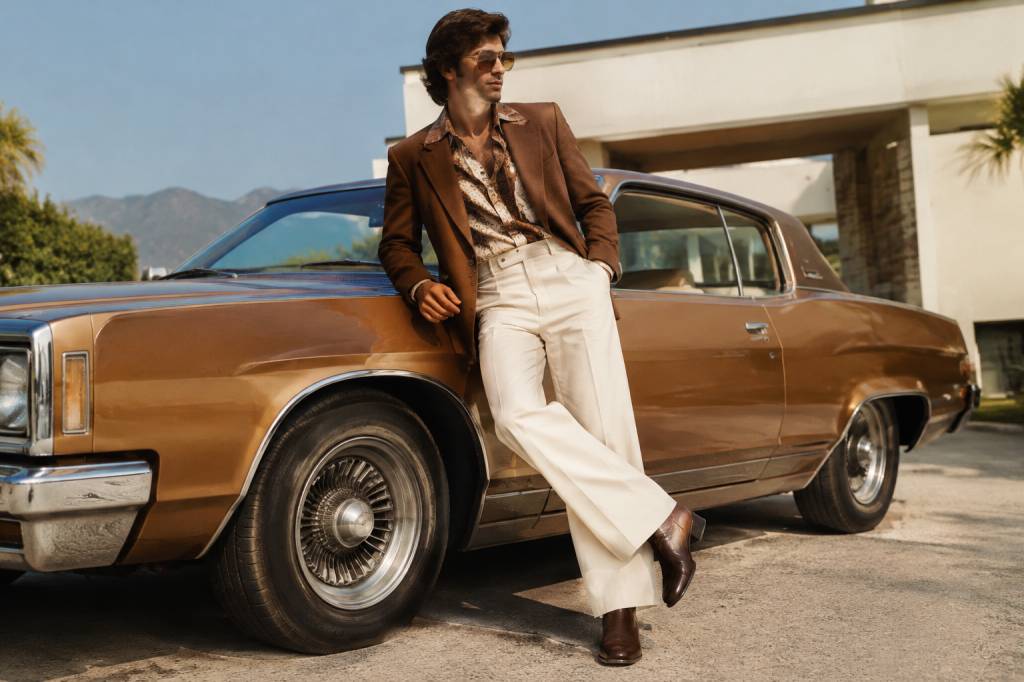
There is something wonderfully confident about 1970s preppy style. It borrows the easy polish of a country-club wardrobe, then loosens the tie just enough to suggest you might be heading somewhere more interesting than the clubhouse. Think soft knits, generous collars, corduroy, warm colors, and shoes with a little presence. Add elevator shoes, and the whole look gains a subtle lift without losing its vintage charm.
I first fell for this style while browsing old photographs of college campuses and weekend gatherings. The clothes looked considered, but never stiff. One fellow wore a chunky sweater over a collared shirt, another paired flared trousers with a relaxed blazer. They seemed ready for a lecture, a party, or a long walk to find the best coffee in town. That versatility is the secret: 1970s preppy style feels dressed up, yet still human.
Here is how to build the look today, choose elevator shoes that fit naturally into it, and avoid looking as if you have wandered onto a retro film set by mistake.
What Makes 1970s Preppy Style Different?
Traditional preppy style is often associated with crisp shirts, tidy chinos, and neat sweaters. The 1970s version keeps those familiar ingredients but gives them more room to breathe. Silhouettes become wider, colors grow warmer, and textures do more of the talking.
Instead of a slim, sharply tailored outfit, picture corduroy trousers with a gentle flare, a striped rugby shirt, and a suede jacket. A knitted vest might sit over a button-down shirt. A blazer could have broader lapels and a softer shoulder. Nothing needs to be skin-tight or overly formal.
The decade also brought a relaxed mix of influences. Campus classics met folk music, sportswear, and a little bohemian ease. That means you can combine a traditional button-down with a patterned knit or wear a polished blazer over a simple roll-neck. The result should feel personal, not like a uniform.
Build the Outfit Around One Vintage Piece
The easiest way to start is with one unmistakably 1970s item. Let it lead, then support it with quieter pieces. A pair of corduroy trousers, a wide-collar shirt, or a textured cardigan can establish the mood without making the outfit look like a costume.
For example, try tobacco-brown cords with a cream Oxford shirt and a navy sweater. Or wear a muted plaid blazer over a plain knit polo and dark trousers. These combinations nod to the period while remaining entirely wearable now.
Keep the fit relaxed, but pay attention to proportion. A wider trouser looks balanced with a top that has some structure, such as a collared shirt or a substantial knit. If both your top and bottom are extremely loose, you may end up looking less like a stylish alumnus and more like you borrowed your clothes from a very generous relative.
Choose Colors That Feel Warm and Lived In
Color is one of the most enjoyable parts of this look. The 1970s palette favors earthy shades and softened classics: rust, mustard, olive, chocolate, camel, cream, burgundy, and deep navy. These colors work especially well with the tactile fabrics that define the style.
You do not need to wear all of them at once. Choose two or three colors and give them room. Olive trousers, a cream shirt, and a brown belt make a simple foundation. A burgundy cardigan or mustard scarf can add a little personality without starting a color argument in the mirror.
Patterns can bring energy, too. Stripes, checks, small plaids, and restrained geometric designs fit naturally into a preppy wardrobe. If your shirt has a strong pattern, keep the jacket and trousers calmer. A little visual rhythm is charming; a full orchestra of competing prints is harder to conduct.
Let Texture Do Some of the Styling
Preppy clothes can look flat when every piece is smooth and polished. Texture adds depth and makes an outfit feel more authentic. Try corduroy, brushed cotton, wool, suede, chunky cable knits, or a soft flannel shirt.
A practical outfit for a cool day could include a flannel button-down, a fine-gauge sweater, straight-leg trousers, and a suede jacket. Each layer contributes a different surface, but the colors can stay within the same warm family. You look put together without needing a dozen accessories.
Texture is useful when you want a simple outfit to feel considered. A plain cream sweater becomes much more interesting when it has a visible knit. A brown jacket feels richer in suede than in shiny synthetic material. Small details like these carry the vintage mood more convincingly than an oversized novelty collar ever will.
Find Elevator Shoes That Belong in the Outfit
Elevator shoes work best when they look like a natural part of your wardrobe. The goal is a discreet increase in height paired with a design that suits your clothes, not a shoe that announces its engineering before you have said hello. Look for a shape, color, and material that would make sense in a well-dressed man’s closet even without the added lift.
For a classic preppy outfit, brown leather loafers, derby shoes, or simple lace-up styles are easy choices. Suede can be especially effective with corduroy and wool, while polished leather works well with chinos or a blazer. A clean, low-profile sneaker can suit a more casual campus-inspired outfit, provided it is not too modern or sporty for the rest of the look.
When choosing a pair, consider comfort as carefully as appearance. Elevator shoes have an internal lift, so fit and balance matter. Your heel should feel secure, your toes should have room, and you should be able to walk naturally. If you are new to them, wear the shoes around the house first and give yourself time to get used to the feel.
A few details help the shoes blend in:
-
Match the shoe color to your belt or another leather accessory when the outfit is formal enough to call for it.
-
Choose a sole and silhouette that suit the width of your trousers. A substantial trouser hem usually looks better with a shoe that has some visual weight.
-
Keep the design simple if your clothes already include bold colors, patterns, or textured layers.
-
Check the hem length while wearing the shoes. Trousers should fall cleanly without dragging or bunching heavily over the heel.
Remember that elevator shoes are a styling choice, not a magic trick. Good posture and clothes that fit well help the overall effect look confident and natural. You are dressing for yourself first; the extra height is simply one more detail working quietly in your favor.
Make the Trouser Shape Work for You
Trousers have a starring role in 1970s preppy style. Straight legs and a gentle flare both work, especially in corduroy, wool, or sturdy cotton. A modest flare can balance a broader shoe and create a pleasing line, but there is no need to go full bell-bottom unless you genuinely love the look.
Pay special attention to the hem when wearing elevator shoes. A trouser leg that is too short can expose more of the shoe than you want, while an excessively long hem may drag on the ground. Aim for a clean break over the top of the shoe. This keeps the outfit polished and lets the footwear sit naturally within the silhouette.
High-rise trousers can also help create a long, uninterrupted line, particularly when paired with a tucked-in shirt and a belt. If you prefer a more relaxed look, wear a sweater over the waistband, but make sure the length does not overwhelm your proportions.
Layer Without Losing the Easygoing Mood
Layering is where this style becomes especially useful. A button-down shirt under a knit gives you a neat foundation. Add a blazer for a sharper finish or a cardigan for a softer one. In colder weather, a wool coat or suede jacket can bring the whole outfit together.
Keep the layers comfortable enough to move in. A jacket that pulls across the shoulders can spoil even the most handsome outfit, and an overly thick sweater under a fitted blazer is rarely a happy partnership. Try the complete combination before you leave the house. Reach forward, sit down, and take a few steps. Clothes should look good in motion, not only while you stand still beside a mirror.
For a relaxed weekend version, wear a rugby shirt with chinos and elevator loafers. For dinner, swap the rugby shirt for a collared knit and add a blazer. The same shoes can work in both outfits, which is one reason a versatile, understated pair is worth choosing carefully.
Use Accessories With a Light Touch
Accessories can make the outfit feel finished, but restraint keeps it modern. A leather belt, a simple watch, or a patterned tie can add character. A pocket square works with a blazer if the colors connect to the rest of your clothes. Even a pair of classic-frame glasses can complement the campus-inspired mood.
Try not to add every vintage detail at once. Wide lapels, a patterned tie, a bold pocket square, tinted glasses, and a dramatic scarf may each be appealing individually. Together, they can turn your outfit into a very enthusiastic history lesson. Choose one or two accents and let the rest breathe.
Three Easy Outfits to Try
-
Campus classic: Wear navy chinos, a light blue button-down, and a cream cable-knit sweater. Add brown elevator loafers and a matching belt. It is clean, comfortable, and ready for everything from a casual lunch to an afternoon on campus.
-
Autumn weekend: Pair olive corduroy trousers with a rust-colored knit polo and a brown suede jacket. Choose dark brown elevator shoes with enough structure to balance the textured trousers.
-
Relaxed evening: Try charcoal flannel trousers, a fine-gauge burgundy sweater, and a soft blazer in navy or brown. A simple leather lace-up elevator shoe keeps the outfit smart without making it feel overly formal.
Keep the Vintage Inspiration Modern
The best 1970s-inspired outfit does not copy a photograph from head to toe. It takes the pieces you enjoy and gives them a place in your current life. You might prefer a narrower trouser, a plain shirt, or a minimal shoe. That is perfectly fine. Style should be inspiration, not homework.
Start with good fit, choose fabrics with character, and build around colors you actually like wearing. Then add elevator shoes that feel comfortable and complement the proportions of the outfit. The effect should be subtle: a little vintage ease, a little extra height, and a lot of confidence.
That, to me, is the real appeal of 1970s preppy style. It feels polished without taking itself too seriously. You can look as if you have somewhere interesting to be, even if that destination is simply the café around the corner—and, naturally, the best table by the window.