
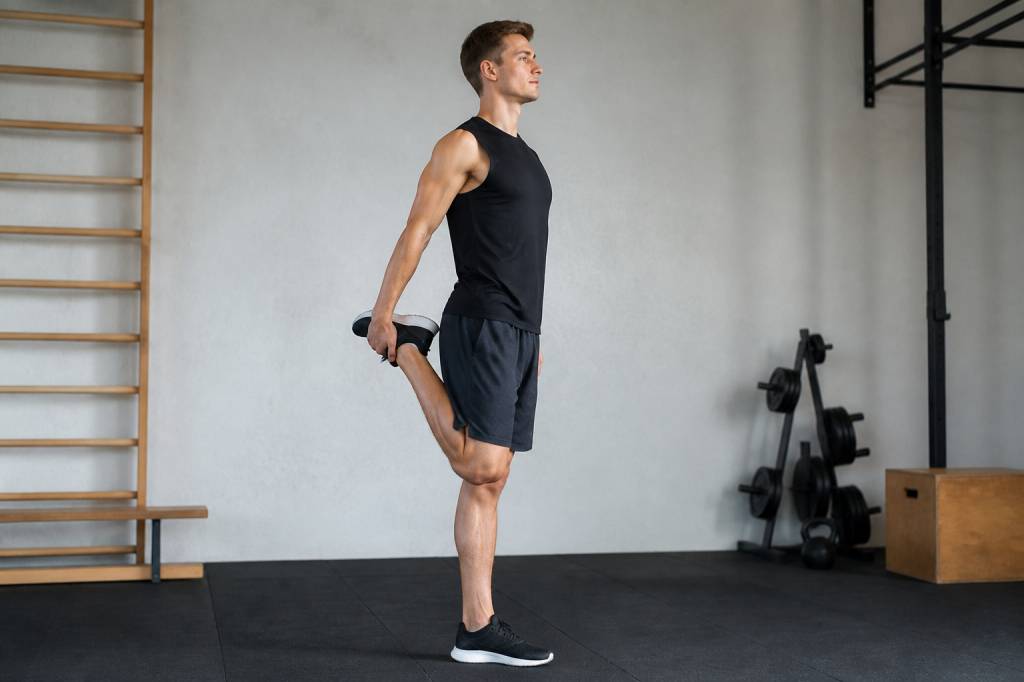
Every man who has ever looked at himself in the mirror and thought, “If only I had a few more centimeters,” has probably asked the same question: can exercise help you grow taller naturally?
The honest answer is a little romantic and a little practical, which feels very much in the spirit of this blog. Exercise cannot magically stretch your bones after growth plates have closed, but it can absolutely help you reach your natural height potential, especially if you are still growing. And even if you are already an adult, the right movements can improve posture, reduce spinal compression, and make you look taller in a way that is visible, immediate, and pleasantly real.
In other words: no, you won’t wake up six inches taller after one yoga session. But yes, movement can make a meaningful difference. Let’s break it down properly, without myths and without nonsense.
Can exercise really make you taller?
Let’s start with the key point. Your final adult height is determined mostly by genetics, nutrition, hormones, and overall health during growth years. Exercise does not lengthen your bones once your growth plates have fused, which typically happens at the end of puberty.
But that is not the whole story. Exercise supports height in three important ways:
- It encourages healthy growth during childhood and adolescence.
- It improves posture, which can instantly add visible height.
- It helps decompress and strengthen the spine, making you stand at your best.
Think of it like tailoring a suit. The fabric is what it is, but the fit changes everything. Your body has its own structure, and exercise helps it sit better, align better, and present itself better.
If you are still growing, movement matters even more
For teenagers and younger adults whose growth plates are still open, exercise can support the natural process of growing taller. The goal is not to force height, but to create the right environment for the body to develop properly.
Physical activity improves blood circulation, strengthens bones, stimulates growth-related hormones, and keeps the muscles and joints healthy. A sedentary lifestyle, on the other hand, can lead to poor posture, weak muscles, and less-than-ideal body mechanics. Not exactly the secret recipe for standing tall.
In my own experience, the boys who stayed active during their teenage years often looked taller than they actually were, simply because they moved with more confidence and better posture. Sometimes height is not just about the measuring tape. It is also about presence.
The best exercises for natural height support
Not all workouts are equal when it comes to looking taller and supporting healthy growth. You do not need to live in the gym or train like an Olympic gymnast. What matters is consistency and choosing exercises that strengthen the body without compressing it excessively.
Swimming
Swimming is often mentioned in conversations about height, and for good reason. It is a full-body exercise that stretches the muscles, improves flexibility, and keeps the spine in a neutral, low-impact position. In the water, your body feels lighter, freer, almost like it has remembered how to move properly.
Swimming will not lengthen your bones, but it can help you develop a long, lean posture and excellent body alignment. It is particularly useful for growing teens, because it combines endurance, mobility, and joint-friendly movement.
Basketball and volleyball
Basketball and volleyball are both excellent for overall athletic development. They involve jumping, stretching, reaching, and constant movement. These sports are not height-changing miracles, but they do encourage coordination, spinal extension, and strong lower-body development.
There is also a psychological benefit. When you practice sports that require you to leap, reach, and extend your body, you naturally train yourself to stand and move more expansively. That matters more than people think.
Hanging exercises
Simple hanging from a pull-up bar can help decompress the spine temporarily and improve shoulder alignment. It is not dramatic, but it is useful. A few sets of hanging, done regularly, can reduce the tight, compressed feeling that many people carry after sitting too long.
Try this:
- Hang from a bar with relaxed shoulders.
- Keep your core slightly engaged.
- Hold for 15 to 30 seconds.
- Repeat 3 to 5 times.
This kind of exercise is especially helpful if your daily life involves long hours at a desk. A stiff back can make you look shorter than you are. A decompressed spine, on the other hand, has a much more dignified attitude.
Yoga and stretching
Yoga and stretching do not increase bone length, but they are fantastic for posture, flexibility, and spinal health. Many people underestimate how much poor posture hides their real height. Rounded shoulders, forward head position, and a tight lower back can easily steal a couple of visible centimeters.
Good yoga poses for height support include:
- Mountain pose
- Cobra pose
- Downward dog
- Cat-cow stretch
- Child’s pose
These movements help lengthen the body, open the chest, and improve awareness of alignment. And awareness is often the missing ingredient. Once you learn how to stand with your spine elongated and your shoulders relaxed, you begin to look taller immediately.
Core and back strengthening
A strong core is not just about looking good in a fitted T-shirt. It is one of the best tools for better posture and height presentation. Weak abdominal muscles and a weak lower back often cause slouching, pelvic tilt, and poor spinal support.
Exercises like planks, bird-dogs, bridges, and dead bugs help stabilize the torso and keep the spine in a healthier position. That means less collapse, less compression, and more elegant standing.
A simple routine can include:
- Plank holds
- Side planks
- Glute bridges
- Bird-dogs
- Superman holds
Do not rush through them. The point is control, not heroics. A body that is aligned well often appears taller than a body that is simply strong.
Posture: the invisible height booster
If I had to choose one area where exercise creates the most visible impact, it would be posture. Poor posture is a silent height thief. It does not announce itself. It simply keeps your shoulders forward, your neck tucked, and your spine compressed enough to make you look a little shorter than your actual height.
Improving posture through exercise can make a dramatic difference. It can also improve confidence, which is a strange but powerful companion to height. Tallness is not only a number. It is also how the body occupies space.
To improve posture naturally:
- Strengthen your upper back and core.
- Stretch tight chest muscles.
- Avoid sitting for too long without breaks.
- Keep your chin level, not jutting forward.
- Train yourself to stand evenly on both feet.
I once noticed that a friend of mine looked at least two centimeters taller the moment he stopped hunching over his phone like a medieval scholar reading bad news. The human body is funny that way. Small corrections can create a surprisingly strong visual effect.
What about adults who want to look taller?
If you are already an adult, your bones are not going to keep growing from exercise. That said, you can still improve your visible height. And this is where exercise becomes especially useful.
When adults train consistently, they often gain better posture, stronger muscles, and less tension in the spine. That can make them appear noticeably taller. In some cases, people recover nearly all the height they had been losing to slouching and daily compression.
Useful habits for adults include:
- Daily stretching routines
- Mobility work for the hips and shoulders
- Core strengthening
- Regular walking or swimming
- Frequent posture resets during the day
If you spend most of your time sitting, this matters even more. A person who is active, mobile, and aligned will almost always look taller than a person who feels welded to the office chair.
The role of nutrition, sleep, and recovery
Exercise is important, but it works best as part of a larger system. If you want your body to grow well during adolescence or simply function at its best as an adult, you also need proper nutrition and sleep.
During the growth years, your body needs protein, calcium, vitamin D, zinc, and enough calories to support development. No amount of jumping around will compensate for poor fuel. Growth is a biological project, and every project needs the right materials.
Sleep is just as important. Growth hormone is released during deep sleep, which is one reason teenagers need more rest than many people assume. If you are serious about reaching your natural height potential, sleep is not optional. It is part of the process.
Recovery also matters. Overtraining can stress the body, affect posture, and leave you exhausted rather than energized. The goal is not to punish the body into becoming taller. The goal is to support it wisely.
Exercises that do not help as much as people think
There are a lot of height myths floating around the internet, and some are more theatrical than helpful. To keep things practical, here are a few things to keep in perspective:
- Heavy lifting does not stunt growth when done correctly, but poor technique can cause injury.
- Jumping exercises alone will not make your bones longer.
- Stretching does not permanently increase bone length.
- No exercise can override genetics and puberty timing.
That does not mean these activities are useless. It simply means their benefits are different from the exaggerated promises you may hear online. Exercise works best when you understand what it can actually do.
A simple weekly routine to support height naturally
If you want a realistic, sustainable routine, keep it balanced. You do not need a complicated plan. You need movement that supports posture, flexibility, and overall health.
Here is a simple structure:
- 2 to 3 sessions of swimming, basketball, or another active sport
- Daily stretching for 10 to 15 minutes
- Core work 3 times per week
- Short hanging exercises if you have access to a bar
- Walking every day to stay mobile and upright
This kind of routine is not glamorous, but it is effective. And effectiveness, in my book, is always more stylish than hype.
How to make the most of your natural height
Natural height is not only about growth. It is also about expression. The way you train, stand, and move can influence how tall you appear every day. This is why exercise and style often belong in the same conversation.
A man who keeps his body aligned, shoulders open, and core active tends to look more composed. He fills his frame better. He does not collapse into himself. And that visual difference can be as meaningful as a few extra centimeters.
If you pair good exercise habits with smart footwear choices, such as well-designed elevator shoes when appropriate, the effect becomes even more striking. But even without that, a strong posture and a healthy body already do a lot of the work.
The real secret is not chasing a fantasy. It is building the conditions where your body can stand at its best, look taller, and carry itself with confidence. That is far more elegant than any miracle promise.
So yes, exercise can help you grow taller naturally in the ways that truly matter: by supporting growth during your developing years, improving posture, decompressing the spine, and helping you present yourself with greater height. It is not magic. It is better than magic. It is something you can actually do.