
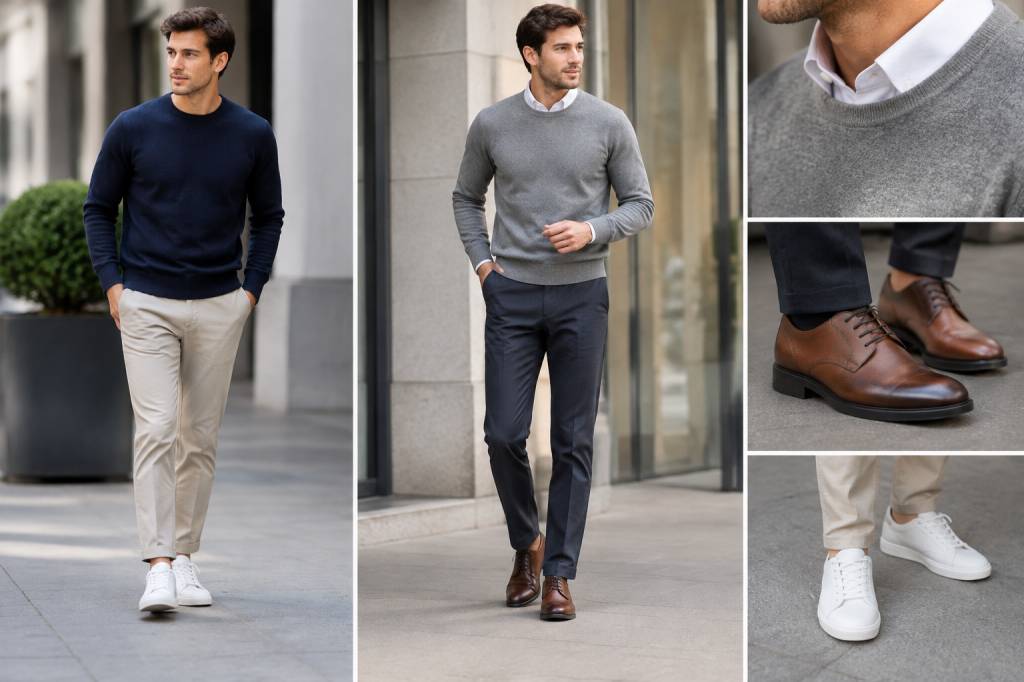
A sweater can be a quiet little miracle: warm, comfortable, and capable of making an ordinary outfit look thoughtfully put together. Alter it to fit your frame, and it can do even more. Shortened sleeves, a cleaner hem, or a slightly slimmer shape can bring better balance to your proportions. Add elevator shoes, and you have a polished look with a little extra height built in.
The trick is making the pieces work together. Elevator shoes should feel like a natural part of your outfit, not a secret you are nervously guarding. And an altered sweater should look intentionally tailored, not as if it lost a wrestling match with a pair of scissors. Here is how to bring the two together with comfort, confidence, and a touch of Italian-inspired style.
What Makes an Altered Sweater Work?
An altered sweater is simply a sweater adjusted to suit your body, your taste, or both. That might mean having the sleeves shortened, taking in a loose body, changing the hem, or transforming a dated piece into something with a fresher shape. Even a small adjustment can change how an outfit sits on you.
Fit matters especially when you wear elevator shoes. These shoes subtly increase your height, and a well-proportioned outfit helps the effect look effortless. A sweater that hangs too low or bunches around the hips can visually shorten your legs. A sweater with a tidy hem and a comfortable shape gives the eye a cleaner line from your shoulders to your shoes.
I once had a favorite charcoal sweater that looked elegant on the hanger and rather like a small tent on me. A tailor shortened the sleeves and took in the sides by just a little. Suddenly, it looked like it belonged to me. No grand transformation, no dramatic music—just a better fit, and a much better outfit.
Start with the Shoes, Not the Scissors
Before you alter a sweater, think about the elevator shoes you plan to wear with it. The style, color, and shape of your shoes affect the mood of your whole outfit. A sleek black leather pair suits a refined, city-ready look. A casual sneaker works with relaxed knits and jeans. A brown boot brings warmth and a little rugged character.
Elevator shoes are designed to give you discreet extra height, but comfort and proportion still come first. Choose a pair that fits well and suits the occasion. If you are new to them, begin with a moderate height increase and wear them around the house before heading out. Your feet deserve a proper introduction, not a surprise plot twist.
Once you have chosen your shoes, try them on with the trousers and sweater you intend to wear. Take a look at the full outfit in a mirror. Does the sweater stop at a flattering point? Do the trouser hems sit neatly over the shoes? This quick test can help you decide what needs altering—and what is already working beautifully.
Choose a Sweater Shape That Balances Your Frame
The most useful alteration is often the simplest: improving the sweater’s proportions. You do not need a dramatic silhouette or a complicated design. You need a shape that sits comfortably through the shoulders and torso, with sleeves and a hem that do not overwhelm the rest of your outfit.
-
A neat, close fit: A sweater that follows your shape without clinging pairs well with slim or straight-leg trousers. It also keeps the outfit’s lines clean above a discreet lift in your shoes.
-
A shorter hem: If a sweater covers much of your seat or piles up around your hips, having it shortened may help your legs look more proportionate. Aim for a hem that works with the rise of your trousers rather than exposing your waist whenever you move.
-
Well-fitted sleeves: Sleeves that gather over your hands can make even a handsome knit look untidy. Ask for a length that ends around the wrist, allowing a shirt cuff to show if you are wearing one.
-
A balanced neckline: A crew neck is easy and versatile. A V-neck can create a longer visual line at the chest, especially over a collared shirt. Pick the neckline that suits your face and the formality of the occasion.
For elevator shoes, balance is more useful than chasing a particular “tall” look. A flattering fit draws attention to the whole outfit, not to one feature. Think of the sweater, trousers, and shoes as a team. If one piece is shouting, the others cannot do their best work.
Pair Altered Sweaters with the Right Trousers
Your trousers are the bridge between the sweater and the shoes, so they deserve a little attention. Slim or straight-leg trousers often complement elevator shoes because they create a tidy line down the leg. Very wide trousers can work too, but their cut and hem need to be deliberate; excess fabric can hide the shape of the shoe and make the outfit feel heavier.
Check the trouser break—the way the hem meets the shoe. A clean, slight break is a reliable choice for smart-casual outfits. For a more contemporary look, a shorter hem can show a little more of the shoe, provided the trousers still feel appropriate for the occasion. Avoid fabric pooling heavily around the ankle. It can make your legs appear shorter and leave your shoes looking buried.
With jeans, a straight or slim-straight cut is an easy partner for casual elevator shoes. Dark denim looks especially sharp with a fitted knit and leather shoes. For a softer weekend outfit, try mid-wash jeans, a relaxed sweater with a tidy hem, and elevator sneakers in a complementary color.
Keep Colors Working Together
Color is one of the easiest ways to make an outfit look intentional. You do not need to match every item exactly. Instead, repeat a color or choose neighboring tones that create a smooth transition from top to bottom.
-
For a streamlined look: Pair a navy sweater with dark blue or charcoal trousers and dark shoes. The close color values create a continuous effect.
-
For warm, classic style: Try a cream or camel sweater with olive, tan, or brown tones. Brown elevator boots can complete the outfit without making it feel too formal.
-
For an easy casual outfit: Wear a gray altered sweater with dark jeans and clean black or white elevator sneakers, depending on the style of the shoes.
-
For a subtle focal point: Let the sweater carry a stronger color, such as burgundy or forest green, and keep the trousers and shoes quieter.
Matching your shoe color to your trousers can help your legs look like one longer line. It is not a rule carved into a Roman column, but it is a useful styling trick—particularly when your trousers sit neatly over your elevator shoes.
Three Outfit Ideas to Try
Smart casual: Start with a fitted, altered crew-neck sweater in charcoal. Add a pale blue shirt underneath, straight-leg navy trousers, and black leather elevator shoes. Let a small portion of the shirt collar and cuffs show. This outfit is comfortable enough for a long lunch and polished enough for a meeting afterward.
Weekend ease: Choose a slightly relaxed sweater in oatmeal or soft gray, with sleeves adjusted to your wrist. Wear it with dark straight-leg jeans and casual elevator sneakers. A simple jacket can finish the look without making it feel as if you are dressed for a board meeting at the bakery.
Evening refinement: Try a dark merino V-neck over a crisp shirt, with tailored trousers and sleek elevator loafers or lace-ups. Keep the sweater smooth rather than bulky, and make sure the trouser hems fall cleanly. A watch or pocket square can add character without competing with the simple lines.
Alter Carefully: Knitwear Needs a Gentle Hand
Sweaters are not all made alike. Fine merino, cotton knits, chunky wool, and cashmere each behave differently under alteration. A tailor experienced with knitwear can tell you what is realistic and how to preserve the shape and finish. In some cases, a seamstress may recommend a specialized method rather than simply cutting and sewing the fabric.
Before making changes, wash or dry-clean the sweater according to its care label. Some knits shrink or relax with cleaning, and you want the alteration to reflect the sweater’s actual size. Bring the trousers and elevator shoes you plan to wear with it to your fitting. That way, the hem and overall proportions can be judged as part of the real outfit.
Make one change at a time when you are unsure. Shortening sleeves is generally a simpler first step than reshaping the entire body or changing the neckline. If the sweater has sentimental value, ask for professional advice before altering it. A beloved knit deserves more than a late-night experiment with kitchen scissors and optimistic lighting.
Mind the Sweater’s Weight and the Shoe’s Shape
Chunky sweaters bring texture and warmth, but they can look bulky above a slim shoe. Balance a heavier knit with sturdy trousers and elevator boots or robust sneakers. Fine-gauge sweaters are easier to wear with tailored trousers and sleek leather shoes because their lighter texture suits a more refined silhouette.
Consider the shoe’s toe shape, too. A streamlined sweater and narrow trouser leg usually pair well with a clean, understated shoe. A thicker knit may call for a shoe with a little more visual weight. This is not about strict fashion laws; it is about making sure each part of the outfit appears to belong to the same story.
Comfort Is Part of Looking Good
The best outfit is one you can wear naturally. Your sweater should let you lift your arms, sit down, and move without tugging at the hem. Your elevator shoes should feel stable, with enough room for your toes and support for your feet. If either piece demands constant adjustment, the outfit is not finished.
Give a new pair of elevator shoes a gradual start, especially if you are not used to the added height. Wear them for a short time before committing to a full day. Check that your trousers still fall well when you walk and sit. A mirror shows the pose; a few steps show whether the clothes are really working.
Make the Outfit Your Own
Altered sweaters and elevator shoes make a versatile pairing because both are practical and personal. One gives you a fit that feels considered; the other adds discreet height without changing the character of your style. Keep the sweater’s shape clean, choose trousers that fall neatly, and let the shoes complement the occasion.
Most importantly, wear the outfit with ease. A well-fitted knit, comfortable shoes, and a little attention to proportion can do more for your presence than a wardrobe full of complicated tricks. And if someone admires the sweater, you can tell them about the tailor. The shoes? That part can remain your own charming little secret.