
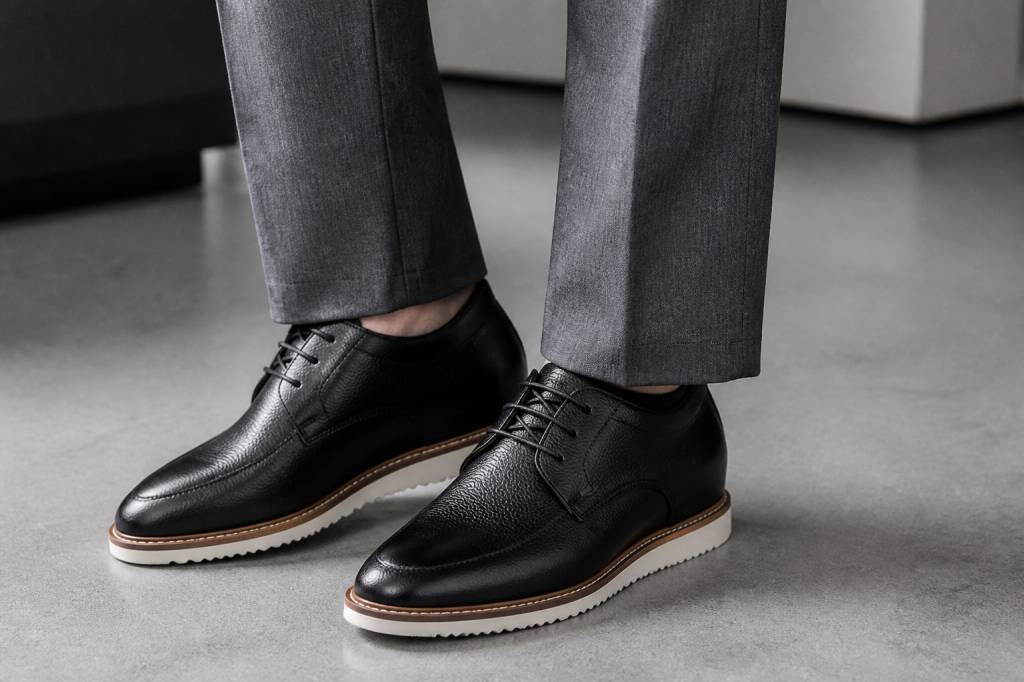
There are mornings when a few extra inches feel like the missing ingredient in an outfit. The suit is pressed, the shirt collar sits perfectly, and your hair has agreed to cooperate for once. Yet when you look in the mirror, something seems slightly… unfinished. That is where elevator shoes enter the story.
Elevator shoes are designed with discreet internal lifts that raise the heel and support the foot from inside the shoe. From the outside, they look like refined dress shoes, boots, loafers, or even casual sneakers. The result is simple: you can appear taller without announcing that you are wearing height-enhancing footwear.
But how much height do elevator shoes really add? Do they look natural? Are they comfortable enough for daily wear? And can a pair of shoes genuinely change the way you carry yourself? Let’s take a closer look at the little secret hidden beneath the insole.
What Are Elevator Shoes?
Elevator shoes are specially constructed shoes with built-in lifts placed inside the heel and midsole area. Unlike ordinary shoe inserts, these lifts are integrated into the design of the footwear. They are shaped to support the foot, distribute weight, and preserve a natural walking position.
The external appearance remains discreet. A well-made pair does not have an unusually tall heel or a visibly raised sole. Instead, the extra height is concealed inside the shoe. Someone looking at you will usually notice the shoe’s leather, stitching, silhouette, or color long before they suspect its secret architecture.
Most elevator shoes add between 2 and 4 inches of apparent height, depending on the model. Some subtle designs provide around 1.5 inches, while more pronounced styles can offer greater elevation. The best choice depends on your proportions, your usual footwear, and how natural you want the result to feel.
How Do Elevator Shoes Make You Look Taller?
The most obvious effect is the added height beneath your feet. However, elevator shoes can do more than simply increase the number on a measuring tape. They also influence your posture, proportions, and visual presence.
- They raise your overall silhouette: Even a modest height increase can make your body appear longer and more balanced.
- They encourage a more upright posture: A supportive internal lift can help you stand with greater awareness and confidence.
- They refine the leg line: Dress trousers often fall more elegantly when your shoes provide a little extra elevation.
- They create visual harmony: Coordinated shoes and trousers can make the entire outfit look sleeker and more streamlined.
- They improve presence: Height is only one part of the effect. Standing taller often changes how you enter a room and interact with others.
Imagine two men wearing the same navy suit. One wears flat sneakers with a bulky, contrasting sole. The other wears dark elevator dress shoes that blend into the trousers and extend the line of the legs. The difference may not be dramatic at first glance, but the second silhouette often looks more polished and vertically balanced.
How Many Inches Can Elevator Shoes Add?
This is the question almost every curious reader asks, usually with the precision of someone checking a luggage allowance at the airport. The answer depends on the shoe’s construction and the lift height.
Low-profile elevator shoes generally add around 1.5 to 2 inches. These models are excellent for first-time wearers or for anyone who wants a very subtle improvement. They feel close to conventional footwear and are often easy to wear throughout the day.
Medium-height models commonly provide between 2 and 3 inches. This is a popular range because it creates a noticeable difference while still maintaining a natural appearance. Many formal shoes and everyday boots are available in this category.
Higher designs may offer 3 to 4 inches or more. These shoes require careful construction because the foot needs sufficient support and a comfortable angle. A well-designed pair can look elegant, but choosing the correct size and shape becomes especially important.
More height is not always better. The goal is not to walk into a room looking like you have recently discovered a secret staircase. The best elevator shoes give you a balanced, believable result that suits your body and personal style.
Do Elevator Shoes Look Natural?
Yes, when they are well designed and correctly fitted. The secret is proportion. A discreet lift should complement the shoe rather than transform it into a platform.
High-quality elevator shoes use carefully shaped soles and internal lifts. The exterior may resemble a classic Oxford, Derby, monk strap, Chelsea boot, or modern sneaker. The shoe should retain the familiar lines of that style, with no exaggerated heel visible from the side.
Your clothing also plays an important role. Trousers that are too short can draw attention to the shoes, while excessively wide trousers may hide the shape completely and make the outfit feel heavy. A tailored or gently tapered leg usually works well because it creates a clean transition from trouser to shoe.
Color coordination helps too. Black shoes with black or charcoal trousers create a continuous vertical line. Brown elevator shoes paired with navy, beige, or olive trousers can add warmth while still keeping the outfit visually cohesive. Contrast is not forbidden, of course; it simply needs to look intentional.
Elevator Shoes and Posture
Height-enhancing shoes are not magic posture machines, but they can encourage a more upright stance. When you become aware of standing taller, you may naturally lift your chest, relax your shoulders, and keep your head in a more balanced position.
That change can be surprisingly powerful. A person who appears confident is not always the tallest person in the room. Often, confidence comes from posture, eye contact, measured movement, and the comfortable knowledge that an outfit is working in their favor.
Still, the shoe must fit properly. If the internal lift is too high or poorly shaped, it may place excessive pressure on the heel or forefoot. Discomfort will eventually affect your walk, and an awkward walk attracts far more attention than the shoes ever would.
For that reason, beginners should start with a moderate lift. Wear the shoes at home for short periods, walk on different surfaces, and pay attention to how your feet feel. Style should give you energy, not send your toes into diplomatic negotiations by lunchtime.
Choosing the Right Height for Your Lifestyle
The ideal lift depends on where and how you plan to wear the shoes. A pair for business meetings may have different requirements from a pair for weekend walks or evening events.
- For office wear: Choose a classic Oxford, Derby, or loafer with a moderate 1.5-to-2.5-inch lift. Comfort and understated design are especially important during long working days.
- For formal occasions: A polished leather shoe with a 2-to-3-inch lift can complement a suit or tuxedo without competing with it.
- For everyday use: Consider elevator boots or casual shoes with flexible construction, supportive cushioning, and a lift that feels natural during extended walking.
- For first-time wearers: Begin with a lower lift and a stable heel. This allows your body to adapt gradually.
- For travel: Lightweight designs with cushioned insoles are practical. Airports provide enough challenges without adding a pair of uncomfortable shoes to the adventure.
Think about your daily routine. If you spend most of the day sitting at a desk, a refined dress shoe may be ideal. If your work involves walking, standing, or commuting, prioritize cushioning and flexibility over maximum height.
How to Style Elevator Shoes
The simplest styling principle is to treat elevator shoes like ordinary quality footwear. They should support the outfit, not become the entire conversation.
With a suit, select a sleek silhouette and avoid overly chunky soles. The shoe should follow the formal language of the clothing. Black leather works naturally with charcoal, black, and dark grey suits. Dark brown or burgundy can add personality to navy tailoring.
With chinos, elevator loafers, brogues, or ankle boots create a smart-casual appearance. Choose trousers with a clean break or a slight break at the shoe. The hem should not bunch dramatically around the ankle, as excessive fabric can make the legs look shorter.
With jeans, boots and casual elevator sneakers are particularly effective. A dark wash jean with a streamlined boot creates a long, uninterrupted visual line. Avoid jeans that are extremely skinny if the shoe has a substantial shape; the proportions may feel unbalanced.
Monochromatic dressing is another useful technique. Wearing similar shades from top to bottom reduces visual interruptions and can make the body appear longer. Navy trousers with a dark blue shirt, or charcoal trousers with a grey knit, creates an elegant vertical effect without looking forced.
Are Elevator Shoes Comfortable?
Comfort depends on the quality of the construction, the height of the lift, and the shape of your foot. A properly made pair should feel stable, supportive, and reasonably similar to wearing a conventional elevated shoe.
Look for features such as cushioned insoles, breathable linings, firm heel counters, flexible outsoles, and a generous enough toe box. The foot should not slide forward, and your toes should have room to move naturally.
Size is crucial. Some people assume they should choose a larger size to accommodate the internal lift, but this can cause heel slippage and instability. Follow the manufacturer’s sizing guidance and measure both feet, since one foot is often slightly larger than the other.
It is also sensible to rotate your footwear. Wearing the same pair every day can reduce its lifespan and give your feet little opportunity to recover. Alternate between elevator shoes and conventional footwear, especially when you are still adapting to the lift.
Elevator Shoes Compared With Shoe Inserts
Standard height-increasing inserts can be useful for occasional wear, but they are not always designed for long-term stability. They may move inside the shoe, reduce available space, or create pressure beneath the heel and arch.
Elevator shoes are engineered as a complete system. The internal lift, insole, outsole, heel, and upper are designed to work together. This generally produces a more stable fit and a more natural appearance.
That does not mean every elevator shoe is automatically superior. Construction quality varies, and personal comfort remains the deciding factor. A modestly elevated, well-made shoe is usually a better choice than an aggressively lifted shoe that causes discomfort after twenty minutes.
Can Elevator Shoes Change Your Confidence?
They can, although the effect is personal. Clothing often influences how we feel before we have spoken a single word. A well-fitted jacket can sharpen your posture; a favorite watch can make you feel prepared; a pair of elevator shoes can give you the quiet reassurance of appearing a little taller.
That psychological lift may be just as valuable as the physical one. You may walk more comfortably into a presentation, feel more at ease at a social event, or simply enjoy the way your clothes fit together.
Of course, shoes do not define your value, personality, or ability. They are one element of personal style. The most convincing presence still comes from being comfortable in your own skin. Elevator shoes should support that feeling, not replace it.
Common Mistakes to Avoid
- Choosing the highest possible lift immediately: Start gradually and allow your body to adjust.
- Ignoring comfort for appearance: A stylish shoe that hurts will spend most of its life in the wardrobe.
- Wearing trousers that are too short: This can expose the shoe’s profile and interrupt the leg line.
- Selecting an oversized design: Bulky shoes can make the feet look disproportionate.
- Forgetting occasion and dress code: A casual elevator sneaker may be perfect on Saturday and completely wrong at a formal ceremony.
- Expecting an instant transformation: The best result combines footwear, tailoring, posture, grooming, and confidence.
A Taller Look, Naturally Achieved
Elevator shoes offer a practical way to add visible height while preserving a polished, natural appearance. Their internal lifts can provide anything from a subtle boost to a more noticeable increase, depending on the design you choose.
The finest pair will not feel like a theatrical costume. It will feel like a well-made shoe that happens to give your silhouette a little more ambition. Choose the height carefully, prioritize comfort, coordinate the shoes with your clothing, and give yourself time to adapt.
After all, style is rarely about shouting. Sometimes it is about a discreet detail, hidden beneath the surface, that helps you stand a little taller when the moment arrives.