
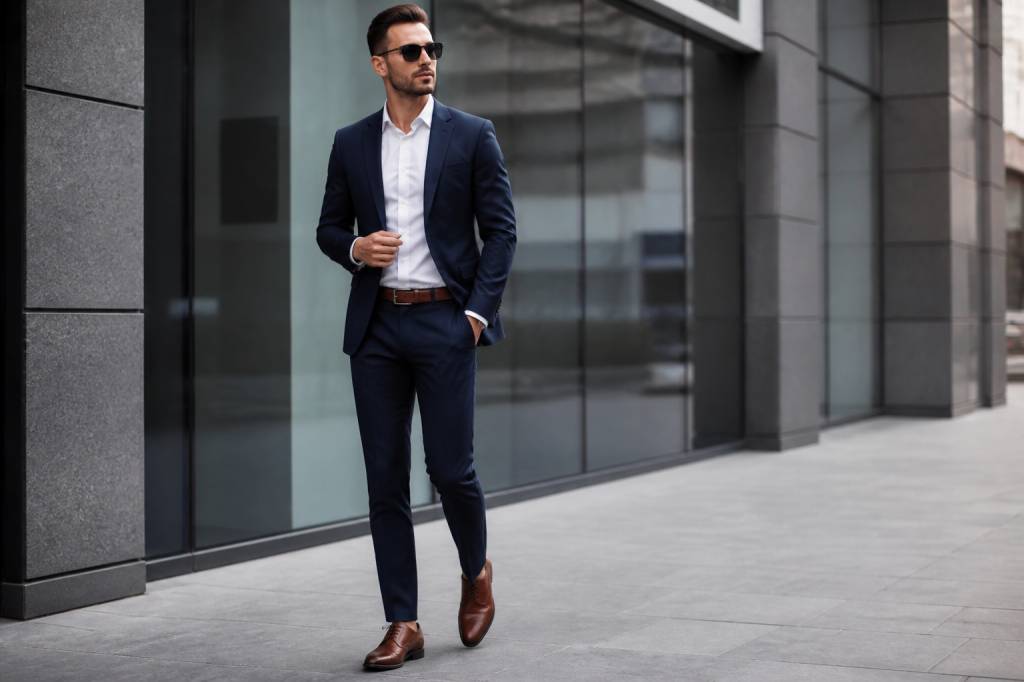
There is a particular moment when a man catches his reflection before leaving the house. The jacket looks sharp, the hair is behaving, and the shoes seem to complete the outfit perfectly. Then comes the small thought: “Could I look just a little taller?”
It is a common question, and one that has inspired everything from clever tailoring to posture exercises. Among the most practical answers are men’s lifts and elevator shoes. These shoes are designed to add discreet height from inside, helping the wearer appear taller without announcing the secret to the entire room.
But how do they work? Are they comfortable? Can they look stylish rather than theatrical? Let’s take a closer look at how lifts for men can improve your appearance, your proportions, and perhaps even the way you carry yourself.
What are men’s lifts?
Men’s lifts are inserts or built-in shoe components that raise the heel and create extra height. A simple lift may be placed inside an ordinary shoe, while an elevator shoe is specially designed with the height increase integrated into its construction.
The principle is wonderfully straightforward: your foot stands slightly higher inside the shoe, while the outside maintains a natural and elegant appearance. Instead of looking like you are wearing unusually thick soles, you simply look a little taller in a well-made pair of dress shoes, boots, loafers, or casual sneakers.
Traditional lifts are often made from materials such as foam, silicone, leather, or rubber. They can be purchased in different heights, depending on how much extra elevation you want. Elevator shoes, on the other hand, usually combine an internal lift with a specially shaped outsole and insole. This helps distribute the height more evenly and can offer better stability.
That distinction matters. A basic insert may be useful for occasional wear, but a professionally designed elevator shoe tends to feel more natural because the entire shoe has been built around the lift. It is the difference between adding a small balcony to a house and designing the house with a balcony from the beginning.
How do elevator shoes make you look taller?
The most obvious benefit is physical height. Depending on the model, elevator shoes can add roughly 1 to 4 inches, or around 2.5 to 10 centimeters. The exact amount varies according to the shoe style, the internal construction, and the wearer’s foot shape.
Yet the visual effect is not limited to those extra centimeters. A well-designed pair can also improve your overall proportions. A slightly raised heel encourages a more upright stance, while a streamlined shoe can make the legs appear longer. Combined with well-fitted clothing, the result may be more noticeable than the measurement alone suggests.
Imagine two men wearing the same navy suit. One chooses a bulky shoe with a very thick visible sole. The other wears a sleek elevator derby with a discreet internal lift. The second man may not only appear taller; he may also look more polished because the shoe supports the clean lines of the suit.
This is the real magic of lifts: they work best when nobody is thinking about them.
The difference between shoe lifts and elevator shoes
Although the terms are sometimes used interchangeably, shoe lifts and elevator shoes are not exactly the same thing.
- Shoe lifts: Removable inserts placed inside an existing shoe. They are affordable, portable, and available in various heights.
- Elevator shoes: Shoes designed with a hidden height increase built into the interior and often supported by a specially constructed sole.
- Height-increasing insoles: A broader category that includes gel, foam, and layered inserts intended to raise the heel or entire foot.
Removable lifts can be a useful way to experiment. Perhaps you want to see whether an extra inch makes you feel more comfortable at a formal event. Perhaps you are travelling and want a compact solution that can move between several pairs of shoes.
However, inserts can become less comfortable when they are too high, too firm, or poorly fitted. They may also reduce the space available inside the shoe. If your toes feel squeezed or your heel slips while walking, the lift is probably not the right size or shape.
Elevator shoes tend to provide a more balanced experience. Since the shoe is designed around the lift, the internal space, arch support, and outsole can work together more effectively.
Choosing the right amount of height
More height is not always better. This is one of those fashion lessons that applies to nearly everything, from watches to hair products. Subtlety usually wins.
For everyday use, an increase of around 1.5 to 2.5 inches is often a sensible choice. It can make a visible difference while preserving a natural walking position. A smaller lift is also easier to combine with office shoes, jeans, and smart-casual outfits.
A lift of 3 inches or more may be appropriate for special occasions, provided the shoe is well constructed and comfortable. However, very high lifts can affect balance and may feel unnatural if you are not accustomed to them. Wearing a dramatic height increase for the first time at a wedding is a brave strategy. It is also a strategy that deserves a little rehearsal.
Consider these practical points when selecting the height:
- Choose a moderate lift for walking, commuting, and long working days.
- Use higher elevator shoes for shorter periods, such as dinners, parties, or presentations.
- Make sure the shoe still has enough room for your toes.
- Walk indoors before wearing a new pair outside.
- Pay attention to stability, not only the number of inches advertised.
The ideal height is the one that helps you feel confident without making you think about your feet every few seconds.
Can lifts be comfortable?
Yes, but comfort depends heavily on quality, fit, and height. A well-made elevator shoe should not feel like a punishment disguised as fashion. You should be able to stand, walk, and sit naturally.
Look for cushioning around the heel and forefoot, a stable outsole, breathable materials, and a shape that matches your foot. Leather can offer durability and a refined appearance, while modern materials may provide flexibility and lighter weight.
It is also important to distinguish between a slight change in heel elevation and an extreme arch position. Your foot needs support across the entire sole. A shoe that simply forces the heel upward without providing stability may cause discomfort, especially during long periods of standing.
When trying on elevator shoes, walk on a firm surface and test several movements. Take normal steps, turn, climb a few stairs if possible, and stand still for a minute. A shoe that feels fine while seated may reveal its true personality once you start moving.
Begin by wearing the shoes for short periods at home. Ten or fifteen minutes is enough for the first test. Gradually increase the time as your feet adapt. Your shoes should make you feel taller, not as though you have entered a private negotiation with gravity.
Matching elevator shoes with your wardrobe
The most effective height-increasing shoes are versatile. They should fit naturally into your existing wardrobe rather than forcing you to dress around them.
For business clothing, consider classic styles such as:
- Black or dark brown elevator oxfords with a tailored suit.
- Derby shoes with wool trousers and a structured blazer.
- Monk straps for a slightly more distinctive office look.
- Elegant Chelsea boots with slim trousers during cooler months.
For smart-casual outfits, loafers and clean leather sneakers can work beautifully. Pair them with straight or gently tapered trousers, a fitted overshirt, or dark denim. The goal is to create a continuous visual line from your waist to your shoes.
Very wide trousers can hide the shape of the shoe and make the lower half of the body look heavier. Extremely skinny trousers may draw too much attention to the footwear. A moderate, tailored cut is usually the most flattering partner for elevator shoes.
Colour also matters. Shoes that are close in tone to your trousers create a longer visual line. Black shoes with dark trousers are a classic example. Brown shoes with navy or charcoal trousers can also look excellent, particularly when the belt and other accessories coordinate.
Monochromatic dressing is another useful approach. A navy outfit with navy or dark blue footwear, or a charcoal look with black shoes, can create a clean vertical impression without becoming dull. Texture keeps the outfit interesting: wool, suede, cotton, and leather each bring their own quiet drama.
How to make the height increase look natural
Elevator shoes are only one part of appearing taller. Clothing fit, posture, hairstyle, and proportions all contribute to the final impression.
Start with your shoulders. Standing upright does not mean pushing your chest forward like a parade soldier. It means allowing your shoulders to rest naturally, keeping your head balanced, and avoiding a collapsed posture. Good posture can add presence immediately, even before the shoes enter the conversation.
Next, examine the fit of your clothes. Trousers that pool heavily over the shoes can shorten the appearance of the legs. Jackets that are too long may compress your proportions. A well-fitted jacket with a slightly shorter visual line, combined with properly hemmed trousers, can make the body look more streamlined.
Vertical details can help as well. Pinstripes, open shirt collars, long coats worn neatly, and tonal outfits all guide the eye up and down rather than from side to side. This does not mean every outfit must resemble a narrow stripe. It simply means that clean lines are useful allies.
Finally, choose shoes with a refined silhouette. A rounded or almond-shaped toe often looks more natural than an exaggeratedly pointed design. The visible sole should be proportional to the upper. When the outside of the shoe looks elegant, the hidden lift becomes almost irrelevant.
Are elevator shoes suitable for everyday wear?
They can be, especially when you choose a moderate height and a comfortable design. Many men wear elevator shoes to the office, during social events, while travelling, or whenever they want a little extra confidence.
It is wise to rotate your footwear rather than wearing the same pair every day. Alternating shoes allows materials to air out and helps preserve their shape. It also gives your feet a change of support and pressure points.
For daily use, prioritise practicality:
- Select breathable uppers and cushioned insoles.
- Choose rubber or durable leather outsoles for reliable traction.
- Avoid a lift that makes your toes feel compressed.
- Keep the shoes clean and conditioned so they remain part of a polished outfit.
- Replace worn insoles or heel components when they no longer provide support.
If you have existing foot, ankle, or back problems, speak with a qualified healthcare professional before using significant height-increasing inserts. Fashion should improve your day, not turn every staircase into an epic adventure.
Elevator shoes and confidence
Height is only one element of presence, but it can influence how a man feels in social and professional situations. When you feel comfortable in your clothes, you may stand more naturally, make better eye contact, and move through a room with less self-consciousness.
That psychological benefit is often the most valuable part of wearing lifts. The shoes do not change your personality or your abilities. They simply remove one small source of distraction, allowing you to focus on the conversation, the presentation, the date, or the dance floor.
I have always believed that style should serve the person wearing it. A good pair of elevator shoes is not a disguise. It is a carefully engineered detail, much like tailoring, a flattering haircut, or a watch that sits perfectly beneath a shirt cuff.
What to look for when buying men’s lifts
Before purchasing, inspect more than the height claim on the box. A quality pair should combine appearance, comfort, stability, and durability.
- Construction: Check whether the lift is integrated securely rather than simply placed loosely inside the shoe.
- Fit: Your heel should remain stable, and your toes should have room to move.
- Materials: Leather, breathable textiles, and supportive cushioning can improve comfort and longevity.
- Design: The external sole should look proportional and suitable for your wardrobe.
- Purpose: Decide whether you need formal shoes, boots, sneakers, or a versatile everyday pair.
- Return policy: Footwear fit is personal, so a reliable exchange or return option is valuable.
Read reviews carefully, especially comments about sizing, walking comfort, and long-term durability. Product photographs can show style, but real-world feedback often reveals whether a shoe remains comfortable after several hours.
A discreet way to stand a little taller
Men’s lifts and elevator shoes offer a practical way to add height while maintaining a natural, stylish appearance. They work best when the lift is moderate, the construction is supportive, and the footwear complements the rest of your outfit.
Think of them as one tool in a larger style wardrobe. Combine them with good posture, tailored clothing, thoughtful colour choices, and a little confidence. The result will not look forced. It will simply look like you, presented at your best height and in your best light.
And really, is that not what good style has always been about?