



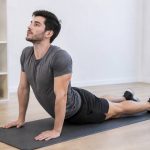





Can stretching your spine really make you taller? It is a tempting question, especially when a few minutes of hanging, yoga, or gentle back exercises seem to leave you standing a little straighter. Perhaps your shoulders open, your head lifts, and suddenly your reflection looks more confident. But has your skeleton actually grown, or has your posture simply improved?
The honest answer is both reassuring and realistic: spinal stretching can help you appear taller and may temporarily increase your measured height during the day, but it cannot lengthen adult bones permanently. No secret stretch can add several inches after the growth plates have closed. If someone promises that, keep your wallet safely in your pocket—and perhaps offer them a nice espresso instead.
Still, stretching is far from useless. A healthy spine, better posture, stronger core, and more relaxed muscles can change the way you carry yourself. In fashion, presence matters enormously. Standing at your full natural height often creates a more impressive effect than chasing unrealistic promises.
Why do we lose height during the day?
Many people are slightly taller in the morning than in the evening. This is not imagination, and it is not a miracle performed by your mattress. The difference usually comes from the discs between the vertebrae.
These spinal discs contain a soft, gel-like center and act as cushions between the bones of your spine. While you stand, walk, sit, and carry the responsibilities of modern life—plus an occasionally heroic number of shopping bags—gravity places pressure on the spine. The discs gradually lose a small amount of fluid and become slightly compressed.
During sleep, when your spine is no longer bearing your full body weight, the discs rehydrate and expand again. As a result, you may measure around one to two centimeters taller in the morning than later in the day. Stretching and lying down can encourage temporary decompression, but the effect is modest and does not permanently lengthen the skeleton.
This explains why someone may feel taller after yoga, swimming, or a few minutes of gentle mobility work. The spine is moving more freely, compressed tissues are relaxing, and posture is improving. You are not growing like a teenager; you are recovering some of your natural alignment.
Can stretching permanently increase your height?
For adults, regular stretching does not make the long bones of the legs or arms grow longer. Height increases during childhood and adolescence because the growth plates—areas of developing tissue near the ends of certain bones—allow bones to lengthen. Once these plates close, usually after puberty, stretching cannot reopen them.
The spine itself can become healthier and more mobile, but this is different from permanent skeletal growth. A stretching routine may help you stand straighter by reducing stiffness in the hips, chest, shoulders, and back. If you normally slouch, the visual difference can be noticeable. Your official height may also be measured more accurately because you are no longer collapsing forward.
Think of it this way: stretching cannot build a taller house, but it can help you stop walking around with the roof tilted to one side. That is still a worthwhile renovation.
How posture changes the way you look
Posture influences perceived height more than many men realize. Rounded shoulders, a forward head, bent knees, and an overly arched lower back can make the body appear shorter and less balanced. Poor posture can also affect how clothing sits on the body, making jackets, shirts, and trousers look less elegant.
Improving alignment can create a longer visual line through the body. Imagine the difference between these two positions:
- Your chin projects forward, your shoulders roll inward, and your pelvis tilts awkwardly.
- Your ears sit more naturally over your shoulders, your chest is open, your spine is relaxed, and your weight is balanced over your feet.
The second posture does not change your bone length, but it communicates confidence and can make you look taller, fitter, and more composed. This is one reason actors, models, and well-dressed men seem to occupy more space than their measurements suggest. They are not all secretly seven feet tall. Many simply understand alignment.
Spinal stretches that may help you stand taller
A good stretching routine should feel gentle, controlled, and consistent. The goal is to improve mobility and reduce unnecessary tension—not to force your spine into dramatic shapes for an impressive photograph.
Cat-cow movement: Begin on your hands and knees with your wrists beneath your shoulders and knees beneath your hips. Slowly round your back as you exhale, then gently lift your chest and tailbone as you inhale. Move with your breathing for eight to ten repetitions. This exercise encourages movement through the entire spine.
Child’s pose: From a kneeling position, sit your hips toward your heels and extend your arms forward. Let your forehead rest on the floor or on a cushion. Breathe slowly for twenty to thirty seconds. You should feel a gentle lengthening through your back, not sharp pressure.
Standing chest opener: Clasp your hands behind your back, draw your shoulders down, and gently move your arms away from your body. Keep your ribs relaxed rather than thrusting your chest forward. Hold for fifteen to twenty seconds and repeat two or three times. This can be useful if long hours at a desk have pulled your shoulders inward.
Hip-flexor stretch: Kneel with one foot in front of you and shift your hips slightly forward while keeping your torso upright. Tight hip flexors can contribute to an exaggerated lower-back arch and an unbalanced stance. Hold each side for twenty to thirty seconds without forcing the movement.
Gentle hanging: Hanging from a secure bar may create a temporary feeling of decompression. Use a stable bar, keep the movement controlled, and stop if you feel pain in your shoulders, elbows, wrists, or back. Hanging is not a height-growth method, but it can be a pleasant mobility exercise for some people.
What about yoga and Pilates?
Yoga and Pilates can support a taller appearance because they combine mobility, body awareness, breathing, and strength. Practices that open the chest, mobilize the spine, and strengthen the abdomen and back may help you maintain a more upright posture throughout the day.
Yoga poses such as mountain pose, cobra variations, sphinx pose, and downward-facing dog can encourage awareness of alignment. Pilates exercises often focus on core control and pelvic positioning, which can help you avoid collapsing through the torso.
However, the same rule applies: these activities improve posture and movement quality; they do not lengthen adult bones. Be especially cautious with dramatic claims attached to before-and-after photographs. A person photographed in a relaxed, slouched position and then in a perfectly aligned pose may appear dramatically taller without any actual growth.
Can stretching make teenagers taller?
Teenagers may still be growing naturally because their growth plates may not yet be fully closed. However, stretching does not control how much additional height they will gain. Genetics plays the largest role, while overall health, nutrition, sleep, and normal hormonal development also matter.
For a growing teenager, the most useful habits are refreshingly unglamorous: eat a balanced diet, sleep adequately, stay active, and avoid smoking or excessive alcohol. Protein, calcium, vitamin D, and other nutrients support healthy development, but supplements should not be treated as magical height formulas.
If a young person’s growth seems unusually slow, or if there is concern about delayed puberty or a medical condition, a doctor or qualified healthcare professional should provide guidance. Internet stretching challenges are not a substitute for medical advice.
When stretching is not enough
If your posture has changed suddenly, or if you experience persistent back pain, numbness, weakness, or pain that travels down a leg, stop exercising and seek professional advice. Stretching through serious pain is not a sign of discipline; it is often a sign that your body is asking for a different strategy.
People with osteoporosis, recent injuries, spinal conditions, joint problems, or previous surgery should speak with a healthcare professional before beginning an intensive stretching routine. Even apparently simple exercises can be unsuitable when performed aggressively or without proper guidance.
A physiotherapist can assess your posture, joint mobility, muscle balance, and movement patterns. Sometimes the issue is not a “short spine” at all, but tight hip flexors, weak glutes, limited ankle mobility, or a desk-bound lifestyle that has trained the body to fold forward.
A simple daily routine for better posture
You do not need a two-hour ritual involving ropes, incense, and a soundtrack of dolphins. Five to ten focused minutes can be a useful beginning. Try this gentle sequence once a day:
- One minute of slow breathing while standing naturally.
- Eight cat-cow repetitions to mobilize the spine.
- Two chest-opening stretches of twenty seconds each.
- Two hip-flexor stretches on each side.
- Thirty seconds of child’s pose.
- Five slow bodyweight squats, keeping your feet grounded and your chest relaxed.
Afterward, stand with your feet about hip-width apart. Let your shoulders rest down, keep your chin level, and imagine the crown of your head moving gently upward. Do not pull your shoulders back aggressively or squeeze your lower back. Good posture should feel balanced, not military.
The real secret is consistency. A single dramatic stretching session may make you feel temporarily looser, but regular movement throughout the week is more valuable. Stand up during long periods of sitting, walk regularly, adjust your screen height, and avoid spending the entire evening folded over your phone like a modern-day question mark.
Stretching, style, and looking taller
Improved posture is only one part of creating a taller, more confident appearance. Clothing can reinforce the effect. Well-fitted garments create clean vertical lines, while excessively loose clothing can overwhelm the frame. Monochromatic outfits, trousers with a neat break, and jackets that fit properly through the shoulders can all contribute to a more streamlined silhouette.
Elevator shoes are another practical option. Unlike stretching, elevator shoes provide an immediate and measurable increase in height through discreet internal lifts. The best designs look like normal, stylish footwear rather than theatrical platforms. A well-made pair can add confidence for a date, business meeting, wedding, or any occasion when you would like a little extra presence.
Of course, shoes work best when paired with natural posture. If you wear height-increasing shoes while leaning forward with tense shoulders, the effect will be less convincing and your feet may complain by lunchtime. Stand comfortably, walk naturally, and choose a height that feels stable.
The realistic answer
Spinal stretching cannot permanently make an adult taller in the biological sense. It cannot lengthen closed growth plates or add several inches to your skeleton. What it can do is help reduce stiffness, support mobility, improve alignment, and allow you to express your full natural height.
You may stand taller, look sharper, and feel more comfortable in your clothes. You may even measure slightly more in the morning or after resting, thanks to normal changes in spinal compression. Those effects are real, but they should not be confused with permanent growth.
The most effective approach is wonderfully practical: stretch gently, strengthen your core and back, move regularly, sleep well, and pay attention to posture. Add clothing that fits your proportions and, when useful, a discreet pair of elevator shoes. Height is one detail of appearance, but presence comes from the entire picture.
So yes, stretch your spine—but do it for a healthier, more confident body, not because an online guru promised you a new passport height. Stand well, dress intelligently, and let your personality do some of the lifting.