
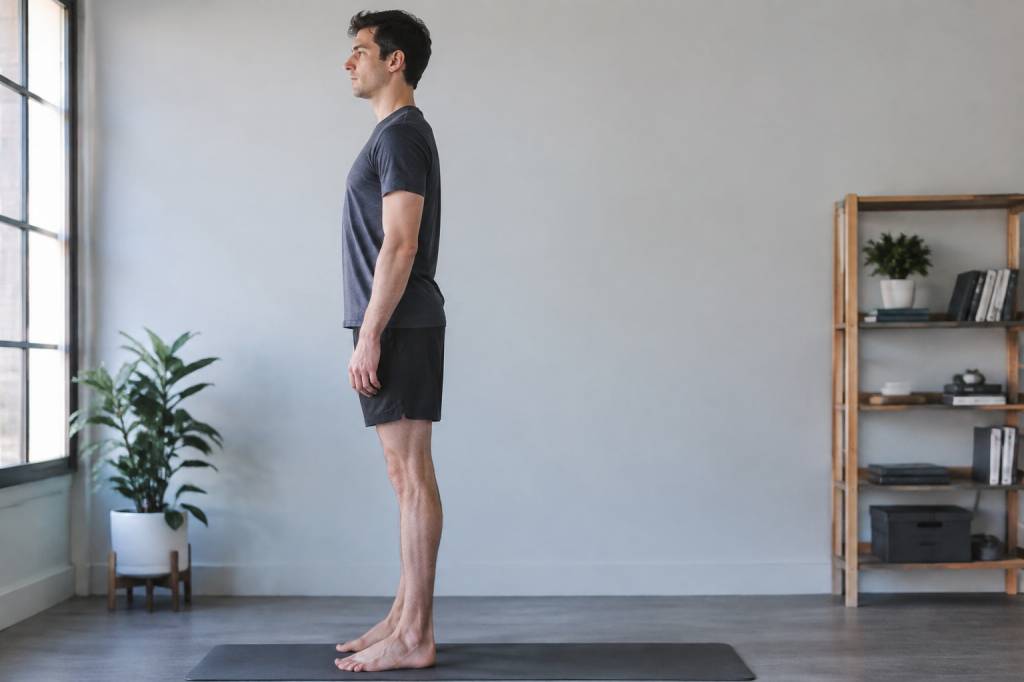
There is something wonderfully appealing about the idea of stretching your spine and waking up a little taller. A few calm movements in the morning, a little less stiffness, and perhaps an extra inch to admire in the mirror—what could be better?
But does spinal stretching truly increase your height, or does it simply help you stand at your natural best? The honest answer is more interesting than a simple yes or no. Stretching cannot lengthen the bones of a fully grown adult, but it may improve posture, reduce spinal compression, and help you recover a small amount of height temporarily lost during the day.
As someone who has spent many years observing men’s style, proportions, and the small details that change the way we carry ourselves, I can tell you this: standing taller is not only a matter of centimeters. It is also about alignment, confidence, and presenting your best silhouette. Let’s take a closer look at what spinal stretching can—and cannot—do.
Why do we become slightly shorter during the day?
Have you ever measured yourself in the morning and then again at night, only to discover that you are a little shorter by bedtime? No, your body is not quietly giving away centimeters while you answer emails or wait for the train.
The difference comes mainly from spinal compression. Your spine is made up of vertebrae separated by small, flexible cushions called intervertebral discs. These discs contain fluid and help absorb shock as you walk, sit, stand, and move.
During the day, gravity and body weight place pressure on the spine. The discs gradually lose a small amount of fluid, which makes the spaces between the vertebrae slightly narrower. As a result, most adults can lose roughly one to two centimeters of height throughout the day, although the exact amount varies from person to person.
When you lie down and sleep, the pressure is reduced. The discs absorb fluid again, and your spine returns closer to its morning length. This is why you are usually tallest shortly after waking up. Your mattress is not a secret Italian height-enhancing device, charming though that idea may be.
Can stretching make you permanently taller?
For adults, stretching the spine does not permanently lengthen the bones. Once the growth plates have closed, usually after puberty, exercises cannot make the skeleton grow taller in the same way that it grew during adolescence.
However, stretching may help you access height that is already there. Poor posture can cause the head to move forward, the shoulders to round, and the pelvis to tilt. These changes may make you appear shorter and can also create unnecessary tension in the back and neck.
By improving mobility and posture, a stretching routine may help you stand more upright. You might look taller, feel taller, and in some cases measure slightly taller when your posture improves. This is not the same as growing new bone, but the visual effect can be surprisingly powerful.
Think of it this way: a folded jacket has the same fabric as a jacket hanging neatly on a tailored hanger, but the second one looks longer and sharper. Your body works in a similar way. Alignment changes presentation.
What spinal stretching can realistically do
A sensible stretching routine may provide several benefits related to height and appearance:
Improve posture: Stretching tight muscles in the chest, hips, and lower back can help you stand more naturally upright.
Reduce stiffness: Gentle movement may make the spine and surrounding muscles feel less compressed after long periods of sitting.
Support spinal mobility: A mobile spine makes everyday movements more comfortable and can help you avoid adopting a hunched position.
Temporarily restore daily height: Relaxing and unloading the spine may help your discs rehydrate, especially after hours spent seated or standing.
Improve body awareness: When you understand where your head, shoulders, and pelvis are positioned, it becomes easier to correct poor posture.
These benefits are valuable even if your measuring tape does not celebrate with fireworks. Better posture can make clothing fit more attractively, create cleaner lines through the torso, and make you appear more confident in photographs and face-to-face conversations.
Gentle stretches that may help you stand taller
The best approach is gentle, consistent, and free from dramatic pulling. Your spine is not a stubborn pair of boots that needs to be forced into shape. Move slowly, breathe normally, and stop if you feel sharp pain, numbness, or tingling.
Cat-cow movement
Start on your hands and knees, with your hands beneath your shoulders and your knees beneath your hips. Slowly round your back toward the ceiling while allowing your head to relax. Then gently reverse the movement, lifting your chest and tailbone without forcing your lower back.
Repeat the movement for eight to ten slow cycles. This exercise encourages spinal mobility and can be especially pleasant after sleeping or sitting for a long time.
Child’s pose
From a kneeling position, sit your hips back toward your heels and extend your arms forward. Allow your forehead to move toward the floor, using a cushion if necessary. Keep the stretch comfortable and breathe deeply for 20 to 30 seconds.
This position gently lengthens the back and can help release tension around the shoulders and lower spine. If your knees are uncomfortable, place a folded towel beneath them or choose another exercise.
Standing chest opener
Rounded shoulders often make a man appear shorter than he really is. To open the chest, stand tall and clasp your hands behind your back. Draw your shoulders gently down and back, lifting the chest without arching aggressively through the lower spine.
Hold for 15 to 20 seconds, then relax. Repeat two or three times. This simple stretch can be useful before putting on a jacket, especially if you have spent the morning leaning toward a laptop.
Hip flexor stretch
Tight hip flexors can encourage the pelvis to tilt forward and place extra strain on the lower back. Kneel with one foot in front of you, keeping the front knee roughly above the ankle. Gently move your hips forward while keeping your torso upright.
Hold for 20 to 30 seconds on each side. You should feel the stretch at the front of the hip belonging to the kneeling leg. Do not force the movement or allow the front knee to collapse inward.
Dead hang
Hanging from a secure pull-up bar may create a gentle feeling of decompression through the spine. Grip the bar firmly and allow your body to hang for a few seconds at a time. Beginners can keep one or both feet lightly supported on the floor or a step.
Only use equipment that is properly installed and capable of supporting your weight. Avoid this exercise if you have shoulder problems, hand injuries, or a condition that makes hanging unsafe.
Posture matters more than most men realize
Stretching is only one part of the picture. If you spend eight hours sitting with your head pushed forward and your shoulders rounded, five minutes of stretching cannot entirely undo the habit. The body tends to adapt to the positions it repeats most often.
Try to make your everyday posture more supportive:
Keep your computer screen close to eye level.
Place both feet comfortably on the floor when sitting.
Let your shoulders rest down rather than pulling them rigidly backward.
Keep your chin gently tucked instead of reaching your head toward the screen.
Stand up and move for a few minutes at least once every hour.
Strengthen your upper back, abdomen, and glutes to support better alignment.
Good posture should feel relaxed, not theatrical. You are aiming for natural alignment, not the military parade of a man who has just spotted a suspicious pigeon.
Stretching versus strength training
Flexible muscles can help you move more freely, but strength is what helps you maintain a taller posture throughout the day. A balanced program should include both mobility and strengthening exercises.
Rows, reverse fly movements, planks, dead bugs, and glute bridges can support the muscles that keep your torso stable. Strong upper-back muscles may make it easier to keep the shoulders from collapsing forward. A stronger core can help you control the position of your pelvis and rib cage.
You do not need to become a professional bodybuilder. Two or three short strength sessions each week, combined with regular walking and stretching, can make a meaningful difference. The goal is not simply to look taller for ten minutes after exercising. It is to build a body that naturally holds itself with more ease.
What about yoga and inversion exercises?
Yoga includes many movements that promote spinal mobility, body awareness, and better posture. Downward-facing dog, cobra variations, mountain pose, and gentle twists may all help you feel less compressed. The benefit comes from movement, breathing, and improved alignment—not from permanently pulling the skeleton longer.
Inversion devices and advanced stretching machines are often advertised with impressive promises. Some people may experience temporary relief or a sensation of decompression, but the evidence for permanent height gain in adults is not convincing. These devices can also be risky for people with high blood pressure, eye conditions, heart problems, or certain spinal disorders.
Before trying inversion therapy, speak with a qualified medical professional. A shiny machine and a dramatic advertisement are not substitutes for sound anatomy.
Can stretching help teenagers grow taller?
Teenagers are still developing, so nutrition, sleep, general health, and genetics play important roles in natural growth. Stretching does not directly lengthen growing bones, but physical activity can support flexibility, coordination, posture, and overall well-being.
Young people should be especially cautious about programs that promise extraordinary height increases. No exercise can override genetic potential, and extreme routines may cause injury. A balanced diet, regular sleep, outdoor activity, and medical guidance are far more sensible foundations.
If a child or teenager appears to be growing much more slowly than expected, a pediatrician or endocrinologist can evaluate the situation. Height concerns deserve facts rather than internet mythology.
When back stretching may not be appropriate
Gentle mobility work is generally well tolerated, but not every back problem should be managed with stretching alone. Speak with a doctor or physiotherapist if you have persistent back pain, pain spreading into the legs, weakness, numbness, loss of bladder or bowel control, recent trauma, or unexplained weight loss.
You should also be careful if you have osteoporosis, a diagnosed disc problem, spinal instability, or a recent surgery. A professional can recommend movements suited to your body rather than asking you to copy a routine designed for someone with an entirely different spine.
How to build a realistic daily routine
A short routine performed consistently is more useful than an ambitious program abandoned after three days. Try this simple sequence once in the morning and again after a long period of sitting:
Cat-cow movement: eight slow repetitions.
Child’s pose: 20 to 30 seconds.
Standing chest opener: two holds of 15 to 20 seconds.
Hip flexor stretch: 20 seconds on each side.
Wall alignment check: stand with your upper back and hips comfortably near a wall, keeping your chin level.
The full sequence may take less than five minutes. Add a daily walk and a few weekly strength sessions, and you have a far more effective height-supporting strategy than any miracle gadget.
How to look taller beyond stretching
Posture is powerful, but clothing can also influence your proportions. Well-fitted trousers, a jacket with a clean shoulder line, monochromatic outfits, and shoes with discreet height enhancement can all create a longer visual silhouette.
Elevator shoes are particularly useful when you want a little extra height without sacrificing a polished appearance. The best designs look like elegant men’s shoes first and height-enhancing footwear second. There is no need to announce every advantage to the room; a well-made shoe can keep its secrets beautifully.
Still, shoes should complement good posture rather than replace it. If your shoulders are rounded and your head leans forward, an extra few centimeters under your heels will not perform the entire symphony. Style works best when the body, clothing, and attitude are all playing the same tune.
The honest answer
Stretching your spine will not permanently make an adult taller by lengthening the bones. It can, however, reduce stiffness, support spinal mobility, improve posture, and help you recover some of the height temporarily lost through daily compression. These changes may make you look and feel noticeably taller.
The most effective formula is pleasantly unglamorous: move regularly, stretch gently, strengthen your posture muscles, sleep well, and avoid believing every dramatic promise made by a height-growth advertisement.
Stand tall because your body is aligned, your clothes fit well, and you feel comfortable in your own frame. Add a confident stride—and perhaps a refined pair of elevator shoes—and you may discover that the most impressive extra height is the kind people notice without knowing exactly why.