
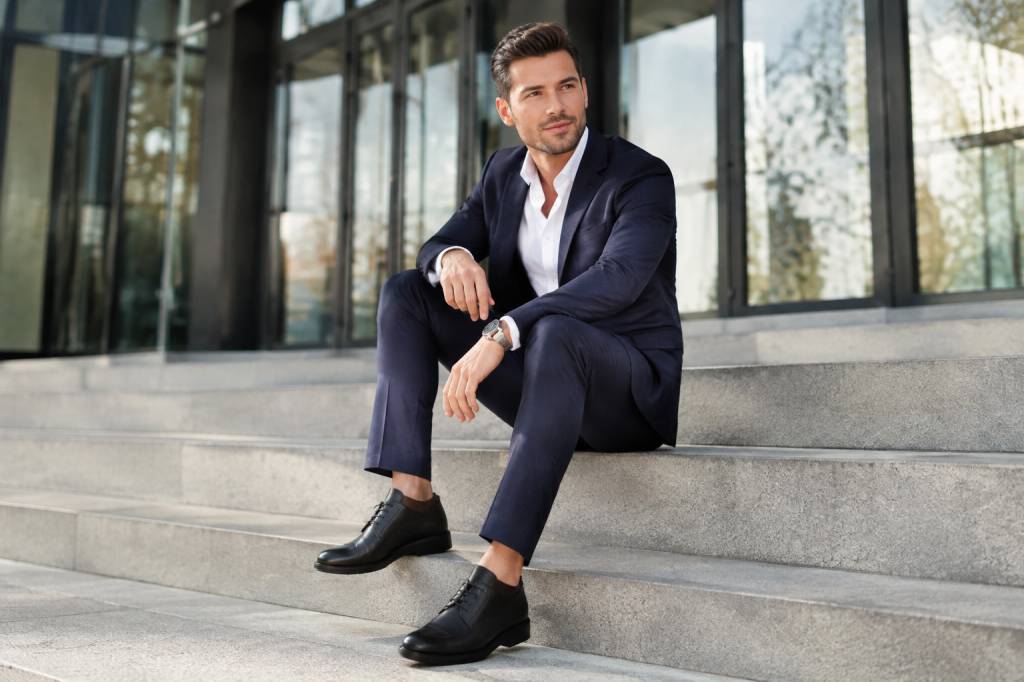
A tuxedo is a little like a well-rehearsed entrance: the right details make it look effortless, while the wrong ones can steal the show. One small detail that deserves more attention is the pocket flap. It may seem too modest to affect your silhouette, but on a formal jacket, even a narrow strip of fabric can change the way the whole outfit reads.
For a taller, sharper look, the goal is not to chase every visual trick in the book. It is to create a clean line from shoulder to shoe, keep distractions to a minimum, and make sure your tuxedo fits like it was invited to the occasion. Here is how to handle tuxedo pocket flaps with confidence—and how to bring the rest of your outfit along for the ride.
First, what is a tuxedo pocket flap?
A pocket flap is the piece of fabric covering the opening of a jacket’s pocket. On an ordinary suit, flapped pockets are common. On a classic tuxedo, however, you will usually see jetted pockets: narrow, welted openings without visible flaps. They look sleek and formal, which is one reason they work so naturally with satin lapels and evening trousers.
Some tuxedos do have pocket flaps. If yours does, you may be able to tuck the flaps inside the pockets. This creates a cleaner, more streamlined appearance without requiring a trip to the tailor. Just check that the fabric sits neatly and does not bunch or poke out. A rebellious flap can be charming at a dinner party, but it is less convincing in a formal photograph.
There is one important rule: follow the jacket’s design and the dress code. If the flaps are meant to be visible, you do not have to hide them. If you want the most traditional black-tie look, jetted pockets are the classic choice. And if your tuxedo has decorative pockets that are sewn shut, leave them alone. A tailor can confirm what is functional before you start tugging at the stitching like a man searching for the last olive in a jar.
Why a small detail can affect your proportions
The eye notices horizontal lines quickly. Pocket flaps create a short horizontal line on each side of the jacket, around the hip area. That is not automatically a problem. But if the jacket is short, the flaps are wide, or the fabric contrast is strong, they can draw attention outward and break up the smooth vertical impression of the outfit.
Jetted pockets avoid that extra line, so they tend to look quieter and more elongated. Tucking in flaps can produce a similar effect, provided the pocket opening stays neat. Think of it as editing: remove a visual interruption, and the jacket’s clean lines get more room to do their work.
Still, pocket flaps are only one detail. A tuxedo that fits poorly will not become flattering through clever pocket management. The jacket’s shoulder line, button stance, sleeve length, and overall length matter far more. The flap is the finishing touch, not the magician.
Choose the right jacket length and shape
For a sharper silhouette, look for a jacket that follows your natural shape without pulling across the chest or closing with a strain. The shoulders should sit smoothly, and the jacket should cover your seat. A jacket that is too long can make your legs look shorter; one that is too short may look awkward and unbalanced. The right length is the one that feels proportionate to your frame, not simply the shortest option on the rack.
A single-breasted, one-button tuxedo is a useful choice if you want a clean front and an uninterrupted line. The button sits around the natural waist, helping the torso look structured rather than boxy. A peak lapel can also draw the eye upward, while a shawl collar gives a smooth, rounded line. Both can look excellent; the best option is the one that suits your build and the formality of the event.
When trying on the jacket, stand naturally. Do not suck in your stomach or hold your shoulders like a palace guard. Fasten the button and check that the lapels lie flat. If the fabric forms a strong X-shaped pull, the jacket is probably too tight. If it hangs like a borrowed curtain, it needs adjustment—or a different size.
Keep the details quiet and consistent
Formalwear looks taller and more refined when the details work together rather than compete for attention. If your tuxedo has flapped pockets, keeping the pocket contents out of sight helps preserve a smooth outline. A bulky phone or a stuffed wallet can distort the jacket and create a lump right where you want a clean line. Leave the essentials in a discreet trouser pocket or with someone you trust. Ideally, someone who will return them.
A pocket square is optional, but it can add personality without disrupting the silhouette. Choose white for classic black tie, and keep the fold simple: a neat straight edge or a soft, understated puff. The pocket square should sit flat in the breast pocket. It should not resemble a fabric fountain or compete with the bow tie for the evening’s main attraction.
Match the formality of the other details. Black patent leather or well-polished black formal shoes are traditional companions to a black tuxedo. If you choose a cummerbund, its pleats conventionally face upward. A waistcoat is another option, but wear one or the other rather than both. The aim is a coherent outfit, not a collection of every formalwear accessory you have ever met.
Build a longer line with color and contrast
For a classic black-tie outfit, a black jacket with black trousers creates a continuous visual line. A white shirt provides contrast near the face, where it can brighten the whole look without dividing the body into several blocks of color. A black bow tie completes the outfit and keeps the attention near your face and shoulders.
This does not mean every man must dress like a tuxedo illustration from an etiquette manual. Midnight blue can be a handsome alternative to black, and a velvet dinner jacket may suit a less traditional event. But the more contrasting bands you introduce at the waist, the more you interrupt the vertical flow. A brightly colored cummerbund, a dramatic belt, and trousers in a different shade can make the outfit feel chopped into sections.
Keep the shirt tucked smoothly, and choose trousers that sit at a comfortable, flattering height. A higher rise can give the legs a longer appearance by moving the visual starting point upward. The trousers should fall cleanly, with little or no break at the shoe. Deep folds at the ankle shorten the line and can make even excellent shoes look overwhelmed.
Fit your trousers to your shoes
Your shoes are the final punctuation mark in the outfit. A sleek black formal shoe keeps the line tidy; a bulky sole or a heavily decorated design can pull attention downward. The trousers should meet the shoes neatly rather than pile on top of them. This simple adjustment often makes more difference than an elaborate styling trick.
If you want a little extra height, elevator shoes can be worn with formal clothing, provided the design is discreet and the fit is comfortable. Look for a black style with a refined profile that works beneath tuxedo trousers. The trousers may need to be hemmed to suit the shoe, so try the complete outfit together before the event. A hidden lift is only useful if you can walk naturally in it. The aim is to enter the room with confidence, not to negotiate every step like a mountain climber.
Take a few practice steps at home. Check that the heel feels stable, the trousers do not catch, and the shoes remain comfortable when you stand for several minutes. A touch of extra height can be welcome; a blister before the first toast is not.
Common tuxedo flap mistakes to avoid
-
Leaving flaps uneven. If you tuck them in, make sure both sit smoothly. One hidden flap and one dangling flap looks accidental, even if the rest of the outfit is impeccable.
-
Forcing a flap into a pocket. If it creates a bulge or will not lie flat, leave it visible or ask a tailor about the jacket’s construction.
-
Stuffing the pockets. Keys, coins, and a large wallet can pull the jacket out of shape. Formal pockets are not storage compartments for your entire evening.
-
Choosing a jacket that is too small. A tight fit can pull the pockets open and make the flaps stick out. A better fit will do more for your silhouette than hiding the flaps ever could.
-
Ignoring the dress code. A classic black-tie event calls for a considered, formal look. Save experimental styling for an occasion that welcomes it.
A quick fitting-room checklist
Before you commit to a tuxedo, take a moment to check the whole picture. Stand with your arms relaxed, fasten the jacket, and look for smooth fabric at the shoulders and chest. Make sure the jacket length feels balanced, the lapels lie flat, and the pockets do not gape. If there are flaps, decide whether they look better tucked in or left visible—and check that the choice works on both sides.
Then look at the outfit from head to toe. Does the shirt collar frame the bow tie neatly? Do the trousers sit comfortably and fall cleanly over the shoes? Can you walk, sit, and raise a glass without pulling at the jacket? If the answer is yes, you are close. If the jacket only looks good while you stand perfectly still, it is not yet the right tuxedo.
A tailor can make small adjustments that transform the result. A cleaner sleeve length, a better trouser hem, or a minor correction at the waist can bring the entire outfit into balance. Tell the tailor what you want the jacket to do, and bring the shoes you plan to wear. Formalwear is a team effort; the jacket, trousers, and shoes should all be working toward the same finish.
Make the tuxedo feel like yours
I remember a friend preparing for a wedding who spent twenty minutes worrying about whether his pocket flaps should be tucked in. He had the right instinct—he cared about the details—but he had overlooked the more important one: the jacket was too wide through the shoulders. Once the fit was corrected, the flaps stopped looking like the headline. They became what they should be: a small part of a well-balanced outfit.
That is the secret to a taller, sharper tuxedo look. Start with fit, keep the lines clean, and use pocket flaps thoughtfully. Choose jetted pockets for a traditional finish, or tuck flaps in when they lie flat and the jacket’s construction allows it. Pair the result with a smooth trouser break and elegant shoes, and you will look polished without appearing as though you spent the evening arguing with your mirror.
Wear the tuxedo comfortably, stand tall, and let your confidence carry the final detail. After all, the most convincing way to look taller is to feel entirely at home in what you are wearing.