
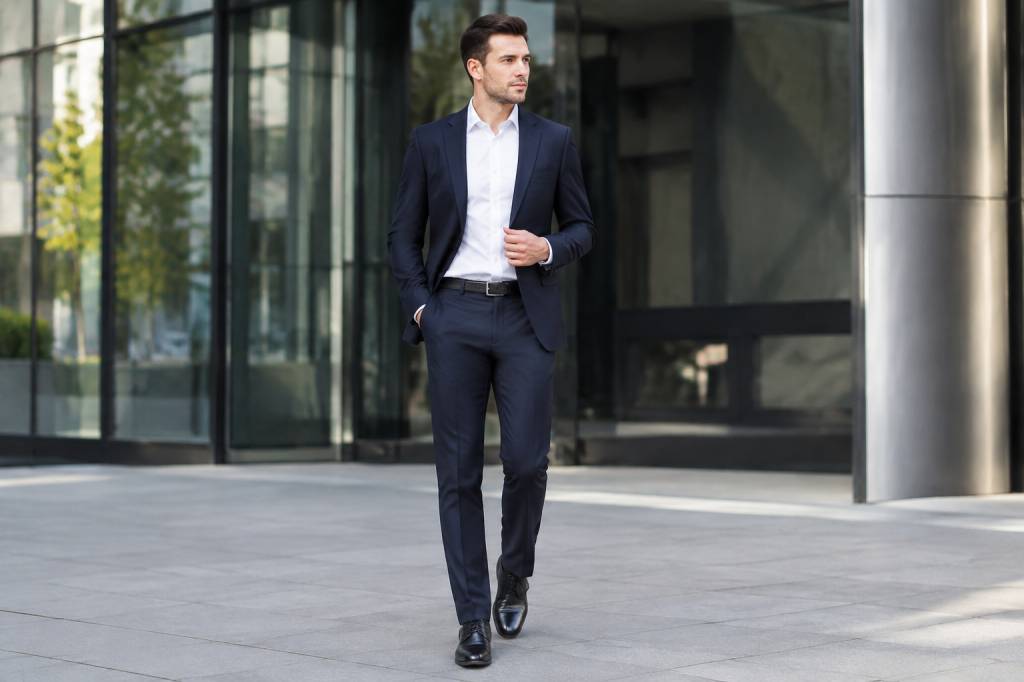
There is a certain magic in looking a little taller without announcing it to the entire room. No dramatic platform, no suspiciously vertical posture, no need to stretch on tiptoe when someone asks you to reach the top shelf. This is precisely where elevator shoes enter the picture.
But what are elevator shoes, exactly? Are they simply high heels designed for men? Are they comfortable enough for everyday wear? And do they really make you look taller while still appearing completely natural?
As someone who has spent years observing men’s style, proportions, and the small details that can transform an outfit, I can tell you that elevator shoes are much more sophisticated than many people imagine. In this guide, we will explore how they work, what makes them different from ordinary footwear, how to choose the right pair, and how to wear them with confidence.
What are elevator shoes?
Elevator shoes are specially designed shoes that increase the wearer’s height through a concealed internal lift. Unlike obvious platform shoes, the extra height is built inside the shoe, beneath the heel and often part of the insole. From the outside, the shoes look like elegant men’s footwear rather than a pair of miniature architectural projects.
The hidden lift is usually made from materials such as lightweight polyurethane, rubber, or specially shaped foam. It is placed inside the shoe at an angle, allowing the heel to sit higher than the front of the foot. This creates additional height while preserving a relatively natural appearance.
Depending on the design, elevator shoes can add anything from approximately 2 to 5 inches, or about 5 to 13 centimetres. Most everyday styles offer a moderate increase, often between 2 and 3 inches. This tends to provide a subtle, believable effect while remaining comfortable enough for walking, commuting, dinners, and business meetings.
The important point is that the height increase is integrated into the shoe. You are not placing a loose insert into an ordinary pair of shoes and hoping your feet will forgive you by lunchtime. A well-made elevator shoe is designed as a complete system: the upper, sole, heel, footbed, and internal lift are created to work together.
How do elevator shoes work?
The basic principle is simple. Inside the shoe, a raised heel or wedge lifts the foot. The shoe’s exterior is then shaped to disguise this additional height. Some models use a relatively compact lift beneath the heel, while others use a sloped insole that gradually rises from the toe area toward the back of the shoe.
Good elevator shoes balance three elements:
- Height: the amount of extra stature provided by the internal lift.
- Stability: how securely the foot sits inside the shoe during walking.
- Proportion: how naturally the shoe looks from the outside.
These elements are connected. A very aggressive lift may provide impressive height, but it can also reduce comfort or make the shoe appear unusually bulky. A moderate lift, carefully engineered and combined with a well-designed upper, often looks more natural and feels easier to wear.
This is why quality matters. Cheap elevator shoes may simply place a large wedge inside a standard shoe shape. The result can be cramped toes, an unstable stride, and the unmistakable sensation that your feet have entered a disagreement with your footwear. Better models are designed from the inside out, with adequate room for the toes and proper support beneath the arch and heel.
Are elevator shoes the same as shoe lifts?
Not quite. Shoe lifts, also called height-increasing insoles or heel inserts, are removable accessories placed inside ordinary shoes. They can be useful, especially if you want to experiment with a small height increase. However, they may slide around, reduce the available space inside the shoe, or raise the heel without providing enough support under the front of the foot.
Elevator shoes, on the other hand, are manufactured with the lift already incorporated into the design. Their interior shape, lining, heel counter, and outsole are created to accommodate the increased height. This generally produces a more stable and polished result.
That does not mean shoe lifts are always a bad idea. A low-profile insert can work well in a roomy pair of casual shoes. But if you want a consistent height increase and a discreet appearance, purpose-built elevator shoes are usually the more practical option.
Why do men wear elevator shoes?
The reasons are as varied as the men who wear them. Some want a little extra confidence at work. Others enjoy the way additional height changes the proportions of an outfit. A few may have a special event approaching—a wedding, a presentation, a date, or a reunion where everyone appears to have grown several inches since the last photograph.
Height is only one part of presence, of course. It does not replace good posture, kind manners, or a well-timed joke. Yet clothing can influence how we feel, and how we feel often affects how we stand, speak, and move through a room.
Elevator shoes can offer:
- A discreet increase in apparent height.
- A more balanced relationship between trousers, jacket, and footwear.
- Extra confidence during formal or professional occasions.
- A stylish alternative to obvious platform footwear.
- A practical option for men who want to look taller without changing their body.
For me, the most interesting benefit is not the number of centimetres. It is the way a good pair can make a man pay more attention to his complete appearance. Suddenly, trouser length matters. The shoulder line of a jacket matters. The silhouette becomes a conversation between every element of the outfit.
Do elevator shoes look obvious?
When they are well designed and correctly fitted, elevator shoes should not look obvious. The best styles resemble classic men’s shoes: Oxford shoes, Derby shoes, loafers, boots, or refined sneakers. The external sole may be slightly thicker than that of a traditional shoe, but it should remain proportionate to the upper.
There are, however, a few details to watch. An excessively thick outsole, an unusually steep heel, or a very narrow toe box can attract attention. The goal is not to create a dramatic visual effect beneath your feet. The goal is to create a harmonious silhouette from head to toe.
Dark colours such as black, deep brown, and navy are often easy to style and naturally discreet. Clean lines, minimal decoration, and a well-shaped toe can also help the shoes blend into a wardrobe. In other words, you want people to notice your polished appearance—not begin an investigation into your footwear.
How much taller can elevator shoes make you?
The answer depends on the construction and the model. Some shoes provide a modest increase of around 2 inches, while specialised designs may offer 3, 4, or even more inches. However, the tallest possible option is not automatically the best choice.
A moderate lift is often the most comfortable for everyday use. It allows you to walk naturally and makes the shoes easier to combine with different trousers. Higher lifts may be suitable for occasional wear, but they require careful attention to fit, balance, and adaptation.
If you are new to elevator shoes, beginning with a pair that adds approximately 2 to 3 inches is sensible. Wear them at home for short periods, practise walking on different surfaces, and pay attention to how your feet feel. Your first outing should not be a twelve-hour wedding in a city paved entirely with historic cobblestones. Your ankles deserve a gentler introduction.
Are elevator shoes comfortable?
Comfort depends on design, materials, fit, and the amount of height added. A quality pair can be comfortable for many hours, particularly when it includes cushioning, breathable lining, a supportive footbed, and a stable outsole.
Fit is especially important. Because the foot sits at an angle, a shoe that is too short may press against the toes, while a shoe that is too loose can allow the heel to move excessively. Measure both feet, try shoes on with the socks you intend to wear, and walk around before making a decision.
Look for features such as:
- A roomy but secure toe box.
- Firm heel support to prevent slipping.
- Cushioned insoles that do not compress immediately.
- Breathable leather or technical lining.
- A flexible forefoot that allows a natural walking motion.
- A non-slip outsole for confidence on smooth surfaces.
It is also wise to rotate your shoes. Wearing the same pair every day can shorten its life and prevent the interior from drying properly. Give the shoes time to rest, and your feet will appreciate the small holiday.
How to choose the right pair of elevator shoes
Start with your lifestyle. A formal black Oxford may be perfect for an office, a ceremony, or an evening event. A brown Derby can work beautifully with chinos, wool trousers, and smart-casual outfits. A discreet elevator sneaker is more suitable for travel, weekends, and relaxed occasions.
Next, consider the height increase. Ask yourself whether you want an everyday boost or a more dramatic effect for special occasions. A shoe that feels natural and versatile will usually earn more time in your wardrobe than one that provides impressive height but spends most of its life in the box.
Material also matters. Full-grain leather tends to develop character over time and can be polished elegantly. Suede offers a softer, more relaxed appearance but needs protection from moisture. Modern synthetic materials can be lightweight and practical, particularly in casual designs.
Finally, examine the construction. Look at the stitching, sole attachment, interior finishing, and quality of the lining. The inside of the shoe matters just as much as the outside. After all, that is where the real engineering is happening.
How to style elevator shoes
The simplest styling rule is to treat elevator shoes like any other refined pair of men’s footwear. Choose trousers that fall cleanly over the shoe without creating excessive folds. Trousers that are too short may reveal the thicker sole, while trousers that are too long can make the entire silhouette look heavy.
For formal dressing, black elevator Oxfords pair naturally with a charcoal, navy, or black suit. Brown shoes can complement navy, grey, beige, and earthy tones. Match the belt closely with the shoes, and keep the rest of the outfit controlled. When your footwear already adds a little visual structure, there is no need for an extravagant tie, a theatrical pocket square, and a jacket that appears to have been borrowed from a magician.
For a smart-casual look, try brown elevator loafers with tailored trousers and a lightweight knit polo. Elevator boots work well with dark denim, an overshirt, and a structured wool coat. Minimalist elevator sneakers can be worn with clean jeans, a fitted shirt, or a casual blazer.
Common misconceptions about elevator shoes
One common misconception is that all elevator shoes are uncomfortable. Poorly made examples can certainly be uncomfortable, but that is true of ordinary shoes too. Construction and fit make the difference.
Another misconception is that elevator shoes are only suitable for men who feel insecure about their height. In reality, men wear them for many reasons, including style, proportion, professional presentation, and personal preference. A man can be perfectly comfortable with his height and still enjoy the silhouette created by a beautifully designed shoe.
Some people also believe that elevator shoes are impossible to wear naturally. With the correct size and a sensible lift, most wearers adapt quickly. The key is not to begin with the highest possible shoe and expect to walk like a Renaissance prince after five minutes.
How to care for elevator shoes
Care begins with allowing the shoes to dry naturally after use. Keep them away from radiators and intense heat, which can damage leather, adhesives, and internal materials. Use shoe trees when possible to preserve the shape and absorb moisture.
Clean leather regularly with a soft cloth and apply a suitable conditioner or polish. Brush suede gently with a suede brush and use a protective spray before wearing it outdoors. Keep the internal lift dry and avoid washing the shoes in a way that could weaken the construction.
Inspect the outsole from time to time. Because elevator shoes may place slightly different pressure on the heel and forefoot, worn soles should be repaired before they affect your balance. A good cobbler can often extend the life of a favourite pair.
Are elevator shoes right for you?
If you want a discreet height increase, enjoy thoughtful menswear, and appreciate footwear that combines design with engineering, elevator shoes may be worth exploring. They are not a miracle product, nor do they need to be. They are simply a clever category of footwear designed to help men feel more confident and look more proportioned.
Choose a moderate lift, prioritise comfort, and select a style that genuinely fits your wardrobe. When the shoes are right, the effect should feel effortless. You put them on, adjust your cuffs, check the mirror, and walk out the door with a little more presence in your step.
And if someone asks whether you have grown taller, you can always smile mysteriously. A touch of Italian-style secrecy never hurt anyone.