





“Which shoes give the most height?” It sounds like a simple question, until you discover that the tallest pair on the shelf is not always the pair that makes you look best. A dramatic lift can feel exciting in the fitting room, but if you wobble down the street like a sailor meeting his first storm, the effect is rather less charming.
The best choice depends on how much extra height you want, where you plan to wear your shoes, and how naturally you want them to look. Elevator shoes are designed to add height through a hidden lift inside the shoe, while platform shoes and thick-soled styles add height visibly from below. Each has its moment. Let’s look at what gives you the biggest boost—and what gives you the most wearable one.
What Are Elevator Shoes?
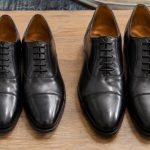
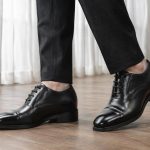
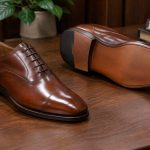
Elevator shoes look much like ordinary men’s shoes from the outside. Inside, a specially shaped heel lift raises the wearer’s heel, while the shoe’s design helps accommodate the foot and conceal the extra height. Depending on the style, the lift may add around two to four inches (about five to ten centimeters).
The key word is “designed.” A regular shoe with a thick insole shoved inside may seem like a quick fix, but it can lift your heel out of the shoe, crowd your toes, and make walking uncomfortable. A proper elevator shoe has a deeper, roomier interior and a shape built around the lift. Your feet—and your dignity—will thank you.
When I first tried a pair, I expected the sensation to be like standing on a small hill. Instead, the height felt surprisingly integrated. The real adjustment came while walking: I had to take a little time to find my stride, rather than rushing off as if late for a train in Milan.
Which Shoes Give the Most Height?
If your only measure is the number of inches added, high-lift elevator shoes usually offer the greatest height increase while keeping the lift relatively discreet. Many styles provide a noticeable boost of around three inches, and some are designed to add more. The exact amount depends on the model, your shoe size, and how the lift is constructed.
Chunky platform shoes can also add substantial height. Their soles raise the entire foot, so the increase is visible from the outside. They can make a bold fashion statement, but they do not create the same hidden effect as elevator shoes. A thick platform may be perfect for a particular outfit; it is less ideal if your goal is for people to think, “He looks taller,” rather than, “Those are some impressive soles.”
There is also a practical limit to comfort. More lift means a steeper angle under the foot, and a steeper angle can feel less natural, especially if you are not used to it. The tallest option is not automatically the best option. A well-fitting pair that adds a moderate amount can make you look and feel more confident than an extreme lift that has you concentrating on every step.
Elevator Shoes, Platforms, or Thick Soles?
These three options all add height, but they do it in different ways. Think of them as three different outfits for the same mission.
-
Elevator shoes: A hidden internal lift provides extra height while the exterior resembles a conventional dress shoe, boot, or sneaker. They are a strong choice when you want a subtle boost.
-
Platform shoes: A visible, thick sole adds height beneath the foot. Platforms can be stylish and expressive, but the extra height is easy to spot.
-
Thick-soled shoes: Many everyday shoes naturally add a little height through their sole and heel. They offer a modest increase without a specialised lift.
For a discreet boost with a polished outfit, elevator dress shoes are often the most useful choice. For casual wear, elevator sneakers combine a relaxed look with an internal lift. If your personal style embraces bold footwear, platforms may suit you better. There is no fashion law saying every man must choose subtlety; even Milan has room for a little theatre.
How Much Height Should You Choose?
Start with your day, not the product description. Are you wearing the shoes for a short dinner, an office day, a wedding, or hours of walking around a city? A moderate lift is usually easier to get comfortable in, particularly if you are new to elevator shoes. Around two inches can give a noticeable change without asking your feet to adapt all at once. A higher lift may be right for you, but it deserves a more careful fitting and a gradual introduction.
Also consider your proportions. The aim is not simply to add the largest possible number. A natural-looking result comes from choosing shoes that suit your clothes, the shape of your legs, and the occasion. A streamlined leather shoe beneath tailored trousers tends to look balanced. A very chunky sole with narrow trousers can draw attention straight to your feet, which may not be the grand entrance you had in mind.
Here is a sensible way to begin:
-
Choose a lower or moderate lift if you are buying your first pair.
-
Wear the shoes at home for short periods before taking them out for a full day.
-
Walk on different surfaces and notice whether your heel feels secure.
-
Increase wear time gradually rather than expecting your feet to adapt in an afternoon.
Comfort Matters More Than the Number
A good pair should feel secure, not cramped. Your heel should sit properly inside the shoe, your toes should have room, and your foot should not slide forward with every step. Because the lift changes the way your foot sits, fit is especially important. If you feel pinching, instability, or persistent discomfort, do not assume that you simply need to “tough it out.” Check the size and design, and consider whether a lower lift would suit you better.
Pay attention to the shoe’s construction, too. A supportive heel counter helps hold the heel in place. A well-shaped insole can make the lift feel more comfortable, while a flexible sole can help the shoe move naturally as you walk. Breathable materials are useful if you expect to wear the pair for long stretches. A handsome shoe is a joy; a handsome shoe that leaves you searching for the nearest chair is a more complicated relationship.
Finally, remember that feet vary. A style that feels excellent on one person may not suit another, even in the same size. If possible, try the shoes on and walk around before committing. If you are ordering online, review the size guide and return policy carefully.
Choosing Elevator Shoes for Different Occasions
For the office: Look for a classic oxford, derby, or loafer with a clean profile. Black and dark brown are versatile, while a moderate lift keeps the silhouette looking natural with business trousers. The goal is to feel put together, not to make your shoes the subject of the meeting.
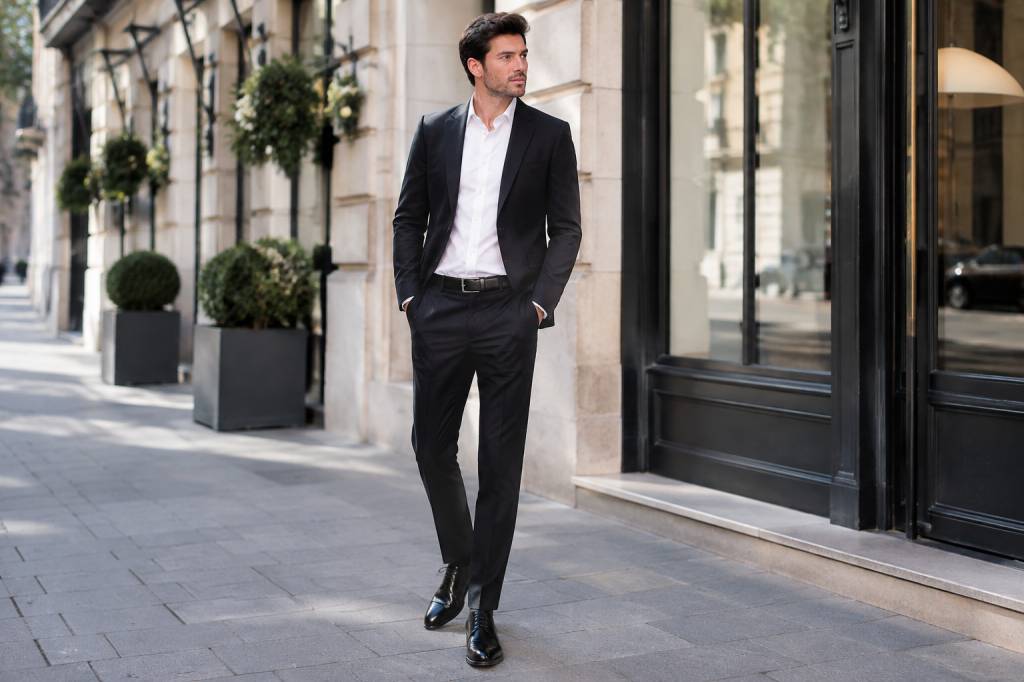
For formal events: A well-polished elevator dress shoe can add height without disrupting a suit. Make sure the hem of your trousers falls neatly over the shoe. A poor trouser break can reveal more than you intended—or simply make the outfit look unfinished.
For casual days: Elevator sneakers are a practical option for jeans, chinos, and relaxed outfits. Choose a shape that fits your wardrobe. Minimal white sneakers feel clean and modern; darker styles are often easier to wear in unpredictable weather.
For colder weather: Elevator boots can offer useful coverage and a sturdy feel. Their naturally taller structure may help accommodate the internal lift. Just keep the overall look balanced: a substantial boot tends to pair better with straight-leg or slightly relaxed trousers than with an extremely narrow cut.
Can You Add Height with Ordinary Shoes?
Yes, although the increase is usually more modest. A shoe with a thicker sole or a slightly elevated heel can add some height without an internal lift. Certain insoles can also provide extra elevation, but they should be used with care. If the insole takes up too much room, the fit may suffer and your foot may sit too high inside the shoe.
Avoid stacking several inserts or forcing a large lift into footwear that was not made for it. That can reduce stability and cause rubbing or pressure. If you want a substantial increase, a shoe designed specifically as an elevator shoe is generally a more considered option than turning an ordinary sneaker into a small engineering experiment.
How to Make the Extra Height Look Natural
The shoe is only one part of the picture. Clothes that fit well can help create a longer, cleaner line. Trousers that are neither excessively baggy nor awkwardly short, jackets with a well-proportioned length, and outfits with a consistent color palette can all contribute to a balanced appearance.
Posture matters, too. Stand comfortably, keep your shoulders relaxed, and let your stride feel natural. Trying too hard to appear taller can make you look tense; confidence is more convincing when it does not appear to be rehearsing. Practice at home, where the only audience is perhaps a curious cat—or a very honest mirror.
And do not treat elevator shoes as a secret that must be guarded at all costs. Some people wear them simply because they like the way they feel and look. Your clothes are a form of self-expression; they do not require a courtroom explanation.
So, Which Pair Should You Buy?
If you want the greatest discreet height increase, start by exploring high-lift elevator shoes, but judge them by fit and stability as well as the stated lift. If you want a visible, fashion-forward boost, consider platforms. If you prefer a subtle change and an everyday feel, a thick-soled shoe or a lower-lift elevator style may be enough.
The best shoes are the ones that suit your life: comfortable enough to wear, appropriate for your wardrobe, and balanced with the amount of height you want. Try them on, take a few unhurried steps, and give yourself time to adjust. A little extra height can change how an outfit comes together—but the right fit is what lets you walk into the room as though you belong there.