






There is something wonderfully simple about gaining a little extra height with an adjustable insole. No complicated wardrobe overhaul, no dramatic change of identity—just a discreet lift inside your shoes and a slightly more confident stride. But choosing the right insole is not as simple as grabbing the tallest pair from an online marketplace. Your feet have standards, and quite rightly so.
An adjustable height insole should make your shoes feel supportive, stable, and comfortable. If it turns every step into a negotiation with your ankles, it is not doing its job. The best model gives you a natural boost while respecting the shape of your foot and the construction of your footwear.
In this guide, I will explain what to look for, how much height to choose, which materials matter, and how to avoid the classic mistakes that turn a clever style solution into a very uncomfortable afternoon.
What is an adjustable height insole?
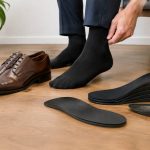
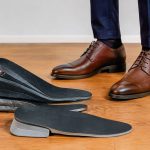
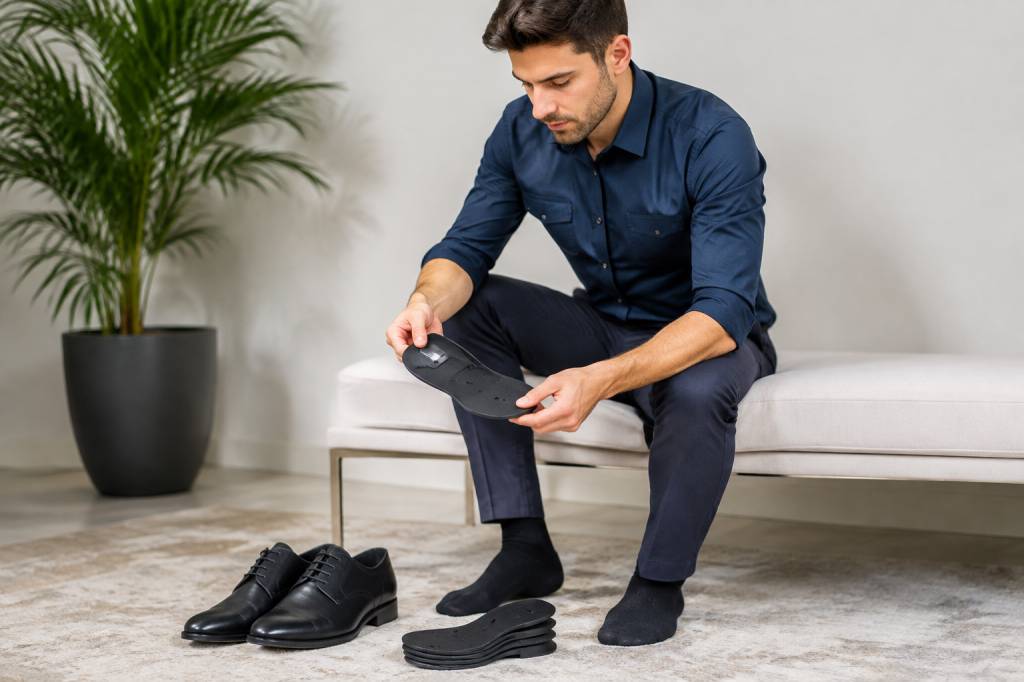
An adjustable height insole is a shoe insert designed to increase your apparent height by placing extra material beneath the heel, the rear of the foot, or sometimes the entire foot. Many models include removable layers, allowing you to choose the amount of lift rather than being locked into one fixed height.
That flexibility is the main advantage. Perhaps you want a subtle 2-centimetre boost for everyday sneakers, but a little more height for a formal occasion. With a removable-layer design, one insole can adapt to several situations—and several pairs of shoes.
Most adjustable insoles are made from a combination of:
- Soft cushioning foam for comfort
- A firmer support layer to maintain structure
- Removable height inserts or heel wedges
- A non-slip surface to help keep the foot in place
- A contoured shape designed to support the arch and heel
The important detail is that the insole must remain stable inside the shoe. A lift that slides, folds, or compresses unevenly may affect your balance and create pressure points. Extra height is attractive; extra friction between your foot and your shoe is not.
Start with the right height
The temptation is obvious: if 3 centimetres feels good, why not try 7? Because shoes, like Italian espresso, are best enjoyed with a little balance.
For most men, a modest increase gives the most natural result. An adjustable insole between 2 and 4 centimetres is usually comfortable in everyday footwear, especially when the design includes proper support. Higher lifts can work, but they require more space inside the shoe and may alter the angle of the foot.
As a general guide:
- 1 to 2 centimetres: Subtle, easy to wear, and suitable for most shoes
- 2 to 3 centimetres: A noticeable but natural-looking increase for daily use
- 3 to 4 centimetres: Useful when you want a stronger lift, provided the shoe has enough room
- 5 centimetres or more: Better suited to specially designed elevator shoes or roomy boots
My advice is to begin with the lowest removable layer. Wear the insoles at home for 20 to 30 minutes and pay attention to how your feet feel. If your toes are being pushed forward, your heel is lifting out of the shoe, or your calves feel unusually tense, reduce the height.
The best adjustable insole is not necessarily the one that adds the most centimetres. It is the one you can wear naturally, confidently, and without thinking about it every ten seconds.
Check the shoe before buying the insole
An adjustable insole cannot perform miracles inside a shoe that is already too tight. Before choosing a model, inspect the interior of the footwear you plan to use.
Look for three things: depth, length, and heel stability.
Depth is particularly important. An added insole raises your foot inside the shoe, which reduces the available space above your toes. If the shoe has a low opening or a narrow upper, even a comfortable insole may make the fit feel cramped.
Length matters because some lift insoles are full-length while others support only the heel and midfoot. A full-length design often feels more stable, but it takes up more room. A shorter heel lift may fit more easily, although it can create a sharper angle under the foot.
Heel stability is essential. Your heel should sit securely inside the shoe rather than floating above the insole. Low-top sneakers, loafers, and soft slip-ons may not hold a high lift firmly enough. Boots, high-top sneakers, and lace-up dress shoes usually offer better support.
A useful fitting trick is to remove the original factory insole from the shoe, if possible. Some adjustable models are designed to replace it, rather than sit on top of it. This creates more space and produces a cleaner fit.
Choose the right shape for your foot
Not every foot has the same shape, and not every adjustable insole has the same profile. A good design should support your foot rather than forcing it into an unfamiliar position.
If you have a relatively neutral arch, a gently contoured insole is often sufficient. If you have flat feet or a low arch, you may prefer a model with moderate arch support. Those with high arches should avoid very rigid designs that press aggressively into the middle of the foot.
Pay attention to the heel cup. A deep, shaped heel cup can improve stability by keeping the rear of your foot centred. This is especially helpful when using a lift of 3 centimetres or more.
Also consider the width. Some insoles are narrow and leave the sides of the foot unsupported. Others are wider and may bunch against the walls of a slim dress shoe. Ideally, the insole should sit flat without curling at the edges.
When I test an insole, I like to stand still first. It sounds obvious, but it reveals a great deal. Does your weight feel evenly distributed? Are you instinctively leaning forward? Is one foot receiving more pressure than the other? Your body will often answer these questions before your eyes do.
Material matters more than most people think
The material determines how the insole feels after five minutes—and how it feels after five hours.
Memory foam is soft and comfortable, making it a popular choice for casual shoes. However, very soft foam may compress quickly, especially under the heel. If the material collapses unevenly, the height can become less consistent and the foot may lose support.
EVA foam is lightweight, resilient, and commonly used in sports footwear. It offers a good balance between cushioning and structure. For everyday adjustable insoles, EVA is often one of the most practical materials.
Gel can absorb impact effectively, especially under the heel, but it may add weight and make the insole feel less stable if used in a very soft design. Leather or synthetic leather coverings can create a more refined finish and improve moisture management, although they may not provide as much cushioning as technical foam.
Look for a combination rather than a single material. A firm base, a cushioned upper layer, and a breathable cover usually create a more comfortable experience than an insole made entirely from soft foam.
Breathability and hygiene are not optional
Your feet spend hours inside a warm, enclosed environment. Add a thick insole and there may be even less airflow. Breathability should therefore be part of your decision, not an afterthought.
Choose an insole with a moisture-wicking cover, ventilation channels, or perforated sections. These features help reduce heat and moisture, particularly during warmer months. Removable insoles are also easier to clean and air out.
A few simple habits make a noticeable difference:
- Remove the insoles from your shoes after wearing them
- Allow them to dry naturally rather than placing them directly on a radiator
- Use breathable socks made from cotton, bamboo, or technical fibres
- Rotate between two pairs of shoes when possible
- Replace the insoles if the surface becomes cracked, compressed, or permanently odorous
And please do not hide damp insoles in a closed wardrobe immediately after wearing them. Your shoes deserve a little Mediterranean sunshine, even if they only receive it near a window.
Adjustable layers should be secure
The removable inserts are the feature that makes an adjustable insole useful, but they must be well designed. The layers should fit together securely, without sliding sideways or separating while you walk.
Look for inserts with grooves, textured surfaces, or a fastening system that keeps them aligned. A loose wedge can create an uneven sensation under the heel and may cause rubbing.
It is also worth checking how many adjustments are genuinely available. Some products advertise “adjustable height” but provide only one removable pad. Others offer several layers, allowing you to fine-tune the lift by a few millimetres.
Small adjustments can make a big difference. Perhaps 3 centimetres feels perfect, while 4 centimetres makes your heel unstable. The ability to remove only one thin layer is far more useful than a dramatic height claim printed on the packaging.
Think about the occasion and the shoe style
The best insole for a pair of running shoes may not be the best choice for a business shoe. Each style demands a different approach.
Sneakers: Look for a cushioned, breathable insole with good heel support. Sneakers usually have more interior depth, making them suitable for moderate lifts.
Boots: Boots are excellent candidates for adjustable insoles because their higher uppers help hold the foot securely. A structured model with a stable heel cup works particularly well.
Dress shoes: Choose a slim design with a smooth finish. Avoid excessive height unless the shoe has enough depth and a firm lace-up closure.
Loafers: Be cautious. Since loafers do not have laces or straps, a high insole may push the heel out of the shoe. A low-profile heel lift is usually safer.
Canvas shoes: These can work for small increases, but their flexible structure may not provide enough support for a tall lift.
For formal events, I often prefer a moderate lift in a polished, well-constructed shoe rather than a very high insert in a shallow one. Elegance is rarely shouting from across the room. It tends to arrive quietly, with excellent posture.
Test the insole gradually
Even a well-made insole may require a short adjustment period. Do not wear a new high-lift insert for the first time during a wedding, an airport journey, or a day when you are expected to explore an entire city on foot.
Begin at home. Walk, sit, climb a few stairs, and stand for several minutes. Notice whether your heel remains secure and whether your toes have enough room.
Then try a short outing of 30 to 60 minutes. Increase the wearing time gradually if everything feels comfortable. Mild unfamiliarity is normal, but sharp pain, numbness, persistent rubbing, or significant pressure is a signal to stop and reassess the fit.
It is also wise to test both shoes together. Even small differences in foot shape or shoe construction can affect comfort. Your body needs balanced support, not a mysterious adventure on one side.
Common mistakes to avoid
- Choosing the tallest lift immediately: More height can reduce stability and comfort.
- Ignoring the shoe’s interior depth: A thick insole may crowd the toes.
- Using a loose heel insert in a low shoe: Your heel may slip with every step.
- Stacking multiple unrelated inserts: This can create an unstable and uneven platform.
- Buying without checking measurements: Shoe sizes and insole dimensions do not always match perfectly.
- Wearing the insole all day without testing it: Gradual use helps reveal pressure points early.
- Ignoring discomfort: Style should improve your confidence, not punish your feet.
When an adjustable insole is not the best solution
Adjustable insoles are versatile, but they are not suitable for every shoe or every situation. If you want a significant and consistent height increase, purpose-built elevator shoes may offer better stability because the lift is integrated into the shoe itself.
People with ongoing foot pain, balance concerns, or specific medical conditions should speak with a qualified healthcare professional before using a substantial heel lift. A shoe insert changes the position of the foot, and comfort should always come before appearance.
If an insole repeatedly causes discomfort despite careful adjustment, it may simply be the wrong design for your foot. There is no prize for enduring a product that does not suit you.
A practical buying checklist
Before ordering, ask yourself these questions:
- How much extra height do I genuinely need?
- Can the height be adjusted in small increments?
- Will it fit inside my chosen shoes without crowding my toes?
- Does it have a stable heel cup and non-slip base?
- Is the arch support suitable for my foot shape?
- Is the material breathable and easy to clean?
- Can the insole replace the original footbed?
- Are the removable layers securely attached?
- Can I return it if the fit is wrong?
The right adjustable insole should disappear into your daily routine. You should notice the extra confidence, not the technology beneath your feet. Start with a moderate height, choose a stable shape, respect the space inside your shoes, and give your feet time to adapt.
A few centimetres may change the way your trousers fall, the way your posture feels, or the way you enter a room. But the real magic comes from comfort. When your feet feel supported, your shoulders relax, your stride becomes smoother, and the extra height looks completely natural. That, my friends, is where good style begins.