







There are few things more satisfying than a long bike ride: fresh air, a good stretch of road, and the pleasant illusion that you could keep pedaling forever. Your feet, however, may have a different opinion. After hours squeezed into cycling shoes, your toes can feel numb, cramped, or oddly curled. Some people call this “bicycle toes.” But is it a real medical condition, and could it affect your height?
The short answer: “bicycle toes” is not a standard medical diagnosis, and cycling-related toe discomfort does not make your bones shorter. Still, the phrase can describe symptoms worth understanding. Let’s look at what may be happening, how footwear and riding habits play a part, and when it is sensible to ask a professional for help.
What does “bicycle toes” mean?
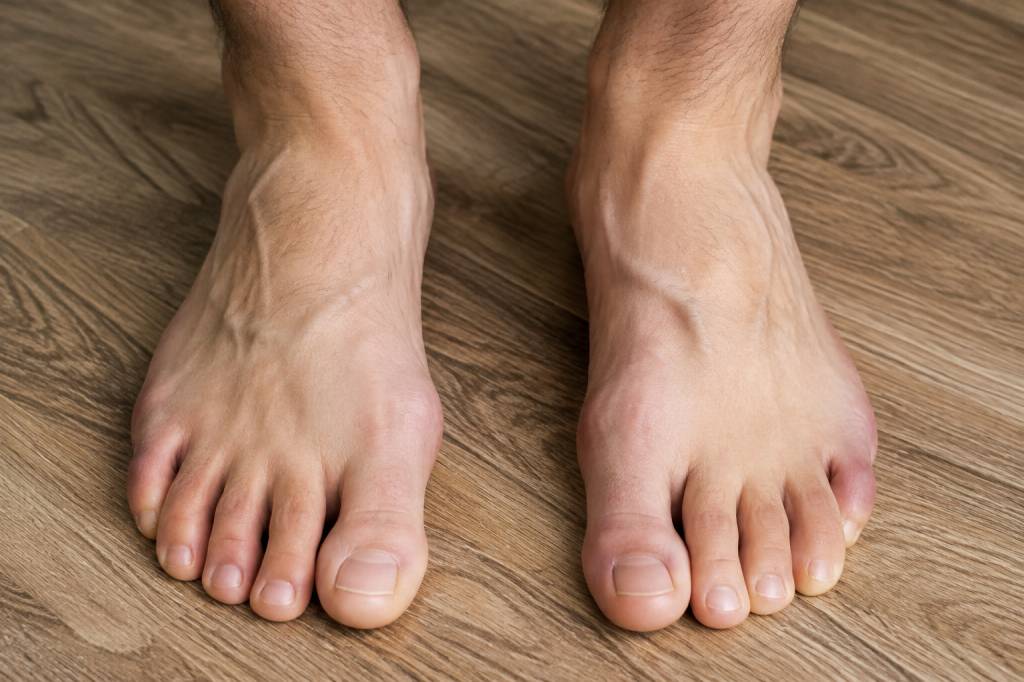
People use “bicycle toes” informally for toe problems they associate with cycling. The term may refer to toes that feel cramped or numb after a ride, toes that seem to curl inside a tight shoe, or soreness and pressure around the forefoot. Because it has no single clinical definition, two people using the phrase may be describing quite different things.
During a ride, the foot stays in a fairly fixed position. Cycling shoes often have stiff soles, snug uppers, and fastening systems designed to keep the foot from sliding. That can be useful for efficient pedaling—but if the shoe is too narrow, too short, or tightened too firmly, the toes may be compressed. Add heat, swelling, and hours of repetitive movement, and the foot may start sending a very clear message: “Mario, perhaps we should loosen this strap.”
Symptoms that riders might call bicycle toes include:
-
Temporary numbness, tingling, or a “pins and needles” feeling.
-
Pressure or aching in the toes or ball of the foot.
-
Toes that feel cramped or seem to curl while riding.
-
Redness, rubbing, or blisters where the shoe presses.
-
Discomfort that improves after taking off the shoes.
These symptoms can have different causes. A tight shoe is one possibility, but cleat position, riding technique, foot shape, and medical conditions affecting nerves or circulation may also be involved. “Bicycle toes” is a useful conversational label, not a diagnosis that identifies the cause by itself.
Can cycling change the shape of your toes?
One uncomfortable ride is unlikely to permanently change healthy toes. Temporary tingling or pressure usually settles once the pressure is removed. But regularly riding in footwear that compresses the toes can contribute to ongoing irritation and may aggravate an existing problem.
Some toe conditions, such as hammertoes or claw toes, involve persistent changes in the position of one or more toes. They can be associated with several factors, including muscle imbalance, foot structure, certain health conditions, and unsuitable footwear. Cycling shoes do not automatically cause these deformities. However, a shoe that repeatedly forces the toes into an awkward position may worsen discomfort or make an existing issue harder to ignore.
Pay attention to what happens off the bike. Do your toes return to their usual position after a ride? Does the tingling disappear quickly? Or are you noticing pain, stiffness, numbness, or a change in toe position that persists during the day? That distinction matters more than the nickname.
Can bicycle toes affect your height?
For adults, bicycle toes do not reduce your height. Your standing height is mainly determined by the length of your bones, your posture, and the natural variation that occurs during the day as the discs in your spine compress slightly. Toe position and toe length do not shorten the bones in your legs or spine.
Even a toe condition that changes how the front of your foot sits in a shoe will not make your skeleton shorter. It could, however, make walking or standing uncomfortable. If pain causes you to limp or adopt an unusual posture, you may appear less upright while moving—but that is not the same as losing actual height. Treat the source of the pain rather than trying to solve it with a taller shoe or a more dramatic posture. A stylish sole cannot negotiate with an irritated nerve.
For children and teenagers, height is a separate question. Growth depends on factors such as genetics, nutrition, general health, and the timing of puberty. Cycling-related toe discomfort is not known to stunt growth. If a young rider has persistent foot pain or concerns about growth, a parent or guardian should discuss them with a healthcare professional. A clinician can consider the whole picture instead of blaming a pair of cycling shoes for every mystery of adolescence.
Why do toes get uncomfortable on a bike?
Several practical factors can contribute. The first is shoe fit. Cycling shoes are often more structured than everyday footwear, and some are designed with a narrower shape. A shoe that feels secure in the shop can become uncomfortable after an hour, especially if the toes cannot move naturally or the foot swells during exercise.
Next comes fastening. Straps, dials, and laces help hold the foot in place, but they should not squeeze the forefoot. Many riders instinctively tighten their shoes when they want more control. The result can be pressure across the toes, particularly when pedaling hard or climbing.
Cleat position may also play a part. Cleats that do not suit your natural foot position can contribute to discomfort or an awkward feeling while pedaling. That does not mean every tingle is a cleat problem; it does mean that repeated symptoms deserve more than a tougher attitude and another ride.
Finally, some people are more vulnerable to foot symptoms because of conditions affecting sensation or circulation. If numbness happens frequently, occurs outside cycling, or affects both feet, it is sensible to seek medical advice rather than assuming the bike is entirely to blame.
How to make cycling more comfortable
A few small adjustments can make a noticeable difference. Start with the simplest one: check the fit of your shoes. Your toes should not be forced against the front, and the forefoot should have enough room for comfortable movement. A snug cycling shoe may feel secure, but “snug” should not mean numb by mile ten.
-
Try cycling shoes in the afternoon, when your feet may be a little larger than in the morning.
-
Check that the toe box is wide and long enough for your foot shape.
-
Fasten the shoes securely without pulling straps or dials as tight as possible.
-
If discomfort begins during a ride, ease the fastening and take a short break when it is safe.
-
Ask a qualified bike fitter or cycling shop to review your cleat position if symptoms keep returning.
-
Choose socks that fit smoothly and do not bunch up inside the shoe.
-
Replace worn or poorly fitting shoes rather than expecting your feet to adapt indefinitely.
Make one adjustment at a time, especially if you are changing cleat position. That makes it easier to notice what helps and avoids turning your bike setup into a small engineering experiment with your toes as the test equipment.
When should you seek medical advice?
Occasional discomfort that quickly disappears after a ride may simply be a sign that your shoes or fit need attention. But persistent or worsening symptoms should not be brushed aside. Consider speaking with a healthcare professional if you have pain that does not settle, ongoing numbness or tingling, visible swelling, a toe that is becoming difficult to straighten, or symptoms that interfere with walking.
Seek prompt care if a foot suddenly becomes very painful, unusually pale or blue, cold, or markedly swollen, or if you develop a wound that is not healing. These signs may point to problems that need assessment. People with diabetes, reduced sensation, or circulation issues should take foot changes especially seriously, since an injury can be harder to notice.
A doctor, podiatrist, or other qualified professional can examine your foot and help determine whether the issue is pressure from footwear, a toe condition, nerve irritation, or something else. That is more useful than self-diagnosing from a catchy phrase—and considerably more reliable than asking the internet to inspect your feet through a screen.
A note on toe length and height myths
Foot shape varies enormously. Some people have a second toe that is longer than the big toe; others have toes that appear shorter, wider, or more closely spaced. These differences are normal and do not tell you how tall someone is. Nor do they predict how tall a child will become.
It is understandable to look for clues about height in every part of the body. Shoes, posture, leg length, and even the way someone stands can all attract attention. But toe shape is not a hidden height chart. If your goal is to look taller, clothing proportions and well-fitting footwear may influence your appearance; they do not change your natural skeletal height. And if your feet hurt, comfort should come first. Confidence looks better when you are not wincing with every step.
The takeaway for riders
“Bicycle toes” is an informal term for toe symptoms linked by a rider to cycling, not a single recognized diagnosis. Tight shoes, pressure, repetitive pedaling, or an unsuitable setup may contribute to discomfort, while persistent symptoms can have other causes that deserve attention.
Most importantly, bicycle toes do not make you shorter. They do not shrink your leg bones, stunt adult growth, or alter your true height. Check your shoe fit, loosen excessive pressure, and get help if pain, numbness, or toe changes persist. Then get back to the ride—with enough room for your toes to enjoy the journey too.