








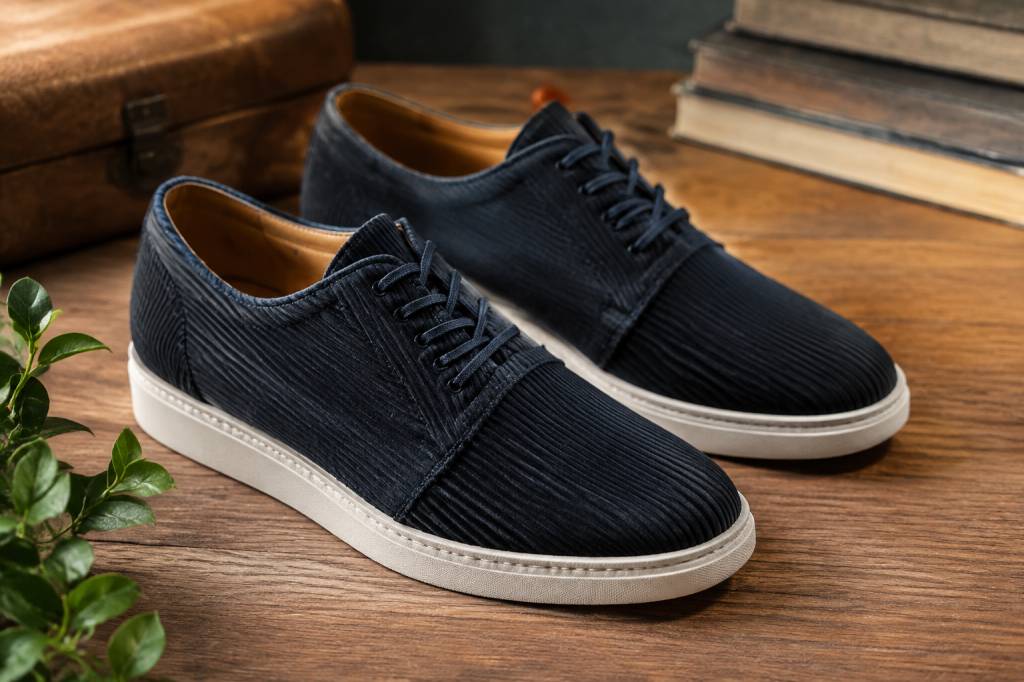
Some fabrics announce themselves from across the room. Pin cord does the opposite: its fine, raised lines catch the light quietly, adding texture without demanding attention. It is corduroy’s slimmer, more refined cousin, and it can make a jacket, pair of trousers, or shirt feel relaxed yet considered.
I first noticed pin cord on a cool evening in Milan, worn as a soft brown blazer over a simple white shirt. It looked elegant without being stiff—a useful trick in a city where even a quick coffee can feel like a small fashion event. If you have wondered what pin cord is, how well it wears, or how to style it without looking as though you have wandered in from another decade, you are in the right place.
What Is Pin Cord Fabric?
Pin cord is a type of corduroy recognized by its very narrow, closely spaced ribs, often called wales. Traditional corduroy can have wide, dramatic ridges; pin cord has fine lines that give the cloth a smoother, subtler appearance. The effect is still tactile, but more discreet.
The fabric is usually made from cotton, though you may also find cotton blends with a little elastane or other fibers. Its distinctive surface is created by cutting extra yarns to form the raised ridges, then brushing the fabric to bring out its soft texture. Look closely and you will see the lines. Run a hand over it and you will feel them.
There is no single universal rule for how narrow a wale must be before a fabric earns the name pin cord. Retailers and manufacturers may use the term somewhat differently. In general, though, pin cord means a fine-wale corduroy that feels lighter and looks less rugged than wide-wale versions.
How Does Pin Cord Feel?
Pin cord is soft, slightly plush, and comfortable against the skin. Its ridges create a gentle nap, so the fabric feels warmer and more substantial than a smooth cotton shirt, without necessarily being heavy. That makes it particularly appealing in autumn and winter, when a little extra texture feels like an invitation to linger over lunch.
The surface has a direction, too. Brush it one way and it may look darker; brush it the other, and the color can appear brighter. This change is called the nap effect. It is one reason pin cord has such visual depth, but it also means that garments should generally be cut with the fabric running in a consistent direction. Otherwise, one sleeve may look as though it belongs to a different jacket.
Comfort depends on the fabric’s weight and blend. A light cotton pin cord can work well for shirts and overshirts, while heavier cloth is better suited to trousers or a jacket. A small amount of stretch may make fitted trousers more comfortable, especially when sitting down for dinner and deciding that one more piece of bread is absolutely necessary.
Pin Cord and Regular Corduroy: What Is the Difference?
The main difference is the width and density of the ridges. Wide-wale corduroy has bolder ribs and a distinctly casual, sometimes vintage feel. Pin cord has finer ribs, giving it a cleaner appearance that can work in both casual and smart-casual outfits.
That does not mean pin cord is automatically formal. It remains a textured cotton fabric, so it rarely looks as sharp as worsted wool or smooth cotton twill. But its subtle pattern makes it easier to dress up than a heavily ribbed corduroy. Think of it as the well-mannered cousin who still knows how to enjoy himself.
When comparing fabrics, check the garment in person if possible. Photos can hide the difference between fine and broad wales. Look at the cloth from a short distance, then feel it. The finer the ribs, the more understated the overall effect is likely to be.
Is Pin Cord Durable?
Good-quality pin cord can be durable, especially when it is made from sturdy cotton and has a dense weave. It is not indestructible, of course. The raised surface can flatten with constant friction, and areas that rub against a desk, bag, or chair may show wear sooner than less-used parts of the garment.
Durability depends on more than the fabric name. Fiber quality, fabric weight, construction, and finishing all matter. A well-made pair of pin cord trousers may outlast a poorly constructed pair of smooth cotton chinos, while a very lightweight pin cord shirt may need more delicate treatment than a heavy overshirt.
Before buying, check the seams, buttons, and pockets. For trousers, pay particular attention to the seat and inner thighs, where friction is greatest. Gently rub a hidden area of the fabric between your fingers. It should feel secure rather than thin or fuzzy enough to shed at a glance.
Color can also influence how wear appears. Dark shades may show dust or lint, while very light shades can make marks more visible. Mid-tone colors such as olive, tobacco, navy, and muted brown are often forgiving choices for everyday wear.
How to Care for Pin Cord
Always follow the care label first; manufacturers know the exact cloth and finish they used. As a general rule, washing less often helps preserve the nap. If a garment is only lightly worn, airing it out may be enough before its next outing.
-
Turn washable garments inside out to reduce friction on the raised surface.
-
Use a gentle cycle and cool or lukewarm water, unless the care label says otherwise.
-
Avoid overloading the washing machine, since crowded garments can rub together.
-
Air-dry when practical. High heat can shrink cotton and may flatten or stress the pile.
-
Brush the fabric lightly with a clothes brush once it is dry, following the direction of the nap.
Be cautious with ironing. Pressing directly onto the ribs can squash them and leave shiny marks. If ironing is necessary, turn the garment inside out, use a low setting, and test a hidden area first. A steamer can be a gentler option, but keep it at a suitable distance and follow the garment’s care instructions.
For a stubborn stain, blot rather than rub. Vigorous rubbing may push the mark deeper or rough up the surface. If the piece is valuable or the label recommends professional care, take it to a cleaner and mention that it is pin cord. A little care now can save you from a very personal argument with a stain later.
How to Style Pin Cord Trousers
Pin cord trousers are an easy way to add texture without changing the whole mood of an outfit. Start with a simple combination: navy pin cord trousers, a white or pale blue shirt, and brown leather shoes. The contrast keeps the look crisp, while the fabric adds warmth and personality.
For a relaxed weekend outfit, try olive or tan trousers with a fine-gauge sweater and clean sneakers. A denim shirt can work, too, as long as the shades are distinct enough to avoid looking like an accidental matching set. If you choose a jacket, keep its fabric relatively smooth—cotton twill or wool, for instance—so the outfit does not become a festival of competing textures.
Fit matters. Pin cord already has visual texture, so trousers that are excessively baggy can look bulky. A straight or gently tapered cut usually gives the fabric room to move while keeping the silhouette tidy. The hem should sit neatly over your shoes rather than pooling in a collection of folds.
And since a good outfit starts at the ground, think about proportion. A clean leather shoe or sleek boot balances the softness of pin cord. If you like a little extra height, an elevator shoe with a streamlined profile can add discreet lift without distracting from the look. The goal is a natural silhouette, not a shoe that arrives in the room before you do.
Pin Cord Jackets and Shirts
A pin cord jacket is a strong choice for smart-casual dressing. Pair it with a plain shirt, dark jeans, or tailored trousers in a contrasting fabric. A brown or rust jacket feels warm and relaxed; navy or charcoal looks more restrained. Keep the rest of the outfit fairly simple and let the texture do its quiet work.
When wearing a pin cord shirt, treat it like an overshirt if the fabric is substantial. It layers comfortably over a T-shirt or lightweight knit and looks at home with chinos or denim. A lighter version can be worn tucked into trousers, though it may feel more casual than a smooth poplin shirt.
Try not to combine pin cord with too many other bold textures at once. A corduroy jacket, chunky cable-knit sweater, brushed scarf, and rugged suede boots may each be handsome on their own. Together, they risk making you look dressed for three different weather forecasts. Choose one or two textured pieces and let the rest of the outfit breathe.
Best Colors and Seasons
Pin cord is most closely associated with cooler weather because its soft surface and cotton weight feel naturally autumnal. It is a reliable choice from early fall through winter and into spring. Very lightweight pin cord can also work on cool summer evenings, particularly as a shirt or unlined jacket.
For a first purchase, consider colors that are easy to combine:
-
Navy: versatile and neat, especially with white, pale blue, grey, or tan.
-
Olive: relaxed and earthy, pairing well with cream, denim, and brown.
-
Tobacco or tan: warm, classic shades that work beautifully with navy and off-white.
-
Charcoal: understated and easy to wear with black, white, or muted colors.
-
Burgundy: a richer choice that adds character without needing a loud pattern.
Pin cord can be worn in lighter colors, but pale shades tend to show stains more readily. If you are buying trousers for frequent use, choose a shade that suits your routine as well as your wardrobe. A beautiful cream pair is a fine thing; a cream pair worn on a rainy commute may become a small test of optimism.
What to Look for When Buying Pin Cord
Start with the intended use. A soft, light fabric is comfortable for a shirt, while trousers usually benefit from more body. For a jacket, consider whether you want a relaxed layer or a structured piece. Pin cord should feel pleasant and flexible, but it should not seem so flimsy that the ribs disappear when you handle it.
Check the wale spacing and surface for consistency. The ribs should run evenly, and the color should look reasonably uniform, allowing for the natural shifts created by the nap. Inspect stress points and seams, then try the garment in your usual posture: sit, reach, and walk. A fabric that feels good while standing still may feel very different after an hour at a desk.
Finally, choose a cut you will actually wear. The most stylish fabric in the shop is no help if the trousers are too tight to sit in or the jacket feels like a borrowed costume. Pin cord works best when it looks lived-in but intentional—comfortable enough for real life, polished enough for someone to notice.
A Quiet Texture with Plenty of Character
Pin cord earns its place in a wardrobe by doing several things well. It is soft, visually interesting, and often more versatile than heavier corduroy. With sensible care, a well-made piece can serve you for many seasons, gathering the kind of character that comes from being worn rather than left waiting for a special occasion.
Choose a weight suited to the garment, keep the rest of your outfit balanced, and give the fabric a little care when washing and pressing. Then wear it with confidence. Pin cord does not need to shout to make an impression—and neither, for that matter, does a well-dressed man.