







Can you wear brown shoes with a black tie outfit? The short answer is yes—but whether you should depends on what “black tie” means in the room you’re walking into. A classic black-tie dress code is wonderfully precise: tuxedo, white shirt, bow tie, and black formal shoes. A black suit styled with a tie, on the other hand, leaves you more room to experiment.
I learned this distinction the hard way at a wedding in Florence. One guest arrived in a beautiful midnight-blue tuxedo and polished dark brown shoes. The shoes were elegant, the man looked terrific, and nobody sent him home. But beside the guests in traditional black patent leather, his outfit felt a little less formal. The lesson? Brown can work, but context is the maître d’.
What “black tie” actually means
In traditional dress-code language, black tie means evening formalwear. For men, that normally means a tuxedo or dinner jacket with matching formal trousers, a white dress shirt, a black bow tie, and black evening shoes. It is not simply a black suit with any tie you happen to own. The distinction may sound fussy, but it makes a real difference when choosing footwear.
With a traditional tuxedo, black shoes are the safest and most appropriate choice. They match the formality of the outfit and keep the visual line clean. Patent leather is a classic option, though highly polished black calfskin can also look excellent. Black velvet slippers may suit a more relaxed or fashion-forward evening, but they are not the choice for every event.
Brown shoes introduce a contrast in both color and mood. Brown often feels warmer and more relaxed than black, while a tuxedo is designed to look sleek and formal. That does not make brown automatically wrong—it simply means you should consider the invitation, venue, and overall styling before making the switch.
When brown shoes can work
Brown shoes are most convincing when your outfit is “black tie-inspired” rather than strict black tie. Maybe you are wearing a black suit with a black necktie, a dark shirt, or a less traditional jacket. Perhaps the event has a creative dress code, or the host has made it clear that personal style is welcome. In those situations, a carefully chosen brown shoe can add character without looking like a mistake.
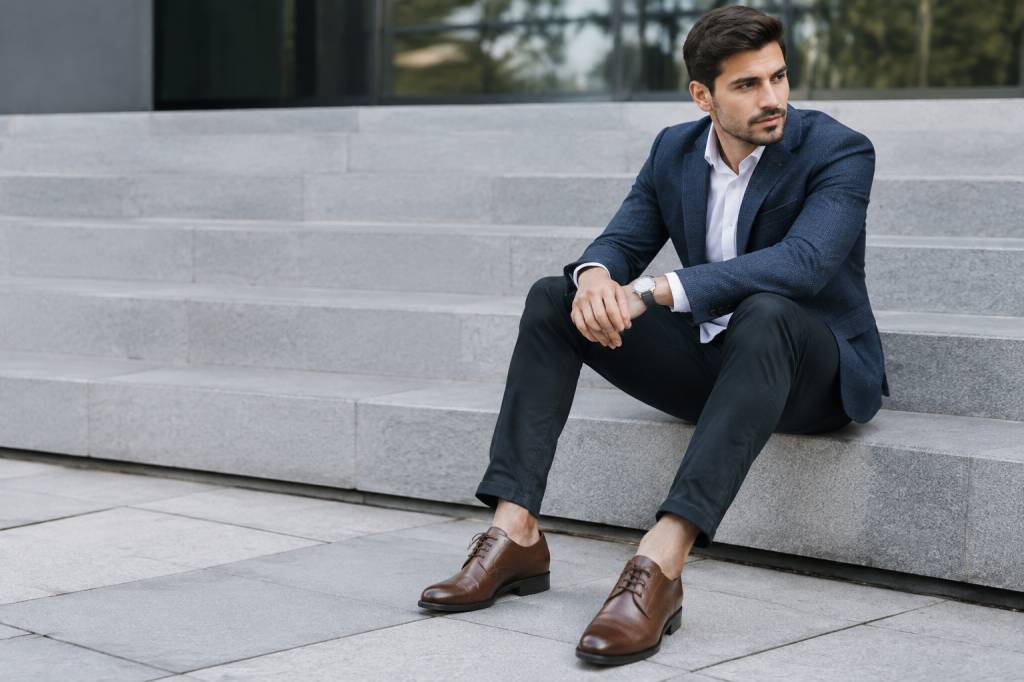
They can also work with a dark suit that is not a tuxedo. A black or charcoal suit, white shirt, and dark tie may be called a black-tie outfit in everyday conversation, even if it does not meet the traditional dress code. With that combination, dark brown shoes can look intentional, especially when the rest of the outfit is polished and coordinated.
Think of the difference this way: a tuxedo is a formal uniform with established rules; a dark suit is a versatile canvas. Brown shoes have far more freedom on the canvas.
Choose the right shade of brown
If you decide to wear brown, reach for a dark, rich shade. Espresso, dark chocolate, and deep mahogany are usually easier to pair with black than tan, cognac, or light chestnut. The darker the shoe, the less abrupt the contrast—and the more evening-appropriate it tends to look.
Light brown shoes can be handsome with a navy suit at a daytime wedding. With black eveningwear, however, they may draw the eye straight down and make the outfit feel disconnected. Unless you are deliberately creating a bold fashion statement, save the lighter shades for a different occasion.
Finish matters, too. A sleek, well-polished leather shoe looks more formal than a soft suede brogue. If your outfit includes satin lapels or a crisp white shirt, a refined leather finish will usually feel more at home than a rustic texture. The goal is not to make every item identical; it is to make them look as though they were invited to the same event.
Pay attention to the style of the shoe
Not every brown shoe sends the same message. A streamlined Oxford is dressier than a chunky derby, and a plain toe usually feels more formal than a heavily decorated brogue. With a dark, formal outfit, keep the shape simple and the details restrained.
-
Dark brown Oxford: A strong option with a black or charcoal suit when the dress code is flexible.
-
Dark brown derby: A touch more relaxed; best for a creative event or a less formal suit-and-tie combination.
-
Brown brogue: Stylish, but its decorative perforations make it feel less like a traditional tuxedo shoe.
-
Tan suede loafer: A confident choice for a fashion-led party, but a risky one for a formal black-tie invitation.
For an actual tuxedo, even a beautifully made brown Oxford is still a departure from convention. A more conservative event is not the ideal place to test whether your shoes can persuade the dress code to change its mind.
Read the invitation before the mirror
The invitation is your best style guide. “Black tie” usually signals that traditional formalwear is expected. “Black tie optional” gives you some flexibility, though a tuxedo remains welcome. “Creative black tie” invites more personality. And if the invitation simply says “formal,” the host may mean a dark suit rather than a dinner jacket.
When you are unsure, ask the host or check the event details. That small message can save you from spending the evening wondering whether your shoes are a charming choice or a quiet act of rebellion. Weddings, charity galas, awards dinners, and formal work events can all interpret dress codes differently.
Consider the setting as well. A historic hotel ballroom or a traditional evening ceremony often rewards classic black shoes. A modern gallery, rooftop party, or fashion-industry event may welcome a more relaxed combination. The same brown shoes can look perfectly natural in one room and oddly casual in another.
How to coordinate brown shoes with black
If the event allows brown shoes, make the choice look deliberate. Keep the shoes in excellent condition, choose a dark shade, and avoid adding several competing colors. A white shirt, black or charcoal trousers, and a dark tie can provide a calm backdrop. A deep burgundy pocket square or a restrained watch strap may echo the warmth of brown, but you do not need to match every accessory like a man assembling a leather goods orchestra.
One useful rule is to avoid an accidental mismatch between black and brown leather accessories. If you are wearing a brown belt, it should be close in tone to your shoes. With a tuxedo, a belt is generally not the ideal choice; formal trousers are often designed to be worn with braces or a clean waistband. With a regular suit, matching the belt and shoes helps the combination feel considered.
Also check the trousers. A clean break or slight break at the shoe keeps the silhouette tidy. A long, rumpled hem can make even expensive footwear look tired. And because dark trousers create a strong visual line, a very light brown shoe may interrupt it more than you intend.
What if you want the height boost?
For men who like a little extra height, formal shoes with discreet internal lifts can be a practical option. The key word is discreet. A polished shoe with a classic shape should not advertise its secret from across the dance floor. The lift is there to help you stand comfortably and confidently—not to become the evening’s main attraction.
Choose a design that suits the level of formality. If you are wearing a tuxedo, look for a black formal style rather than trying to make a casual brown shoe do a tuxedo’s job. If the dress code allows a dark suit and brown footwear, a dark brown elevator shoe may fit naturally into the outfit. Focus on fit, comfort, and a balanced silhouette; height is most effective when the whole look feels effortless.
Try the shoes with your complete outfit before the event. Walk, sit, and stand in them. Formal evenings involve more movement than the fitting-room mirror suggests, and confident posture looks better than any last-minute shoe experiment.
Simple outfit examples
Traditional black tie: Black tuxedo, white formal shirt, black bow tie, and black patent or polished leather shoes. This is the reliable choice for a strict dress code.
Black-tie optional: A tuxedo with black shoes is still an excellent choice. If you wear a dark suit instead, dark brown Oxfords may work, especially when the event is not especially conservative.
Creative evening style: A black suit, white shirt, slim dark tie, and dark chocolate shoes can look modern and confident. Keep the shoe shape sleek and the rest of the outfit controlled.
Daytime wedding: A charcoal or navy suit with a white or pale blue shirt can pair beautifully with medium-brown shoes. This is not traditional black tie, but it may be a far more natural setting for brown leather.
So, should you wear brown shoes?
If the invitation says “black tie” and the event is formal, choose black shoes. You will respect the dress code, avoid second-guessing your outfit, and look appropriately polished. If you are wearing a black suit rather than a tuxedo—or the event encourages creative styling—dark brown shoes can absolutely work, provided their shade, shape, and finish suit the occasion.
Style is not only about following rules; it is about knowing which rules matter. Brown shoes can bring warmth and personality to dark tailoring, but they should feel like a considered choice, not a wardrobe accident. Start with the invitation, dress for the room, and let your shoes support the outfit rather than compete with it. Then you can enjoy the evening—and perhaps the dance floor—without giving your feet a second thought.