






A good suit can change the way a man enters a room. It sharpens the shoulders, tidies the waist, and gives even a Monday meeting a little more occasion. For men who care about looking taller, the effect can be especially satisfying: a clean, uninterrupted line often does more for your presence than a loud pattern or an oversized jacket ever could.
That is why Mantoni suits caught my attention. The name suggests Italian flair, and the appeal is easy to understand: a polished look without the price tag of a luxury tailoring house. But does the style deliver? How does the fit work in real life, and is the value convincing once you look beyond the product photos? Here is a practical look at what to consider before adding a Mantoni suit to your wardrobe.
What kind of suit experience should you expect?
Mantoni is best approached as a style-led, value-conscious option rather than a substitute for bespoke tailoring. The brand’s appeal is the chance to get a coordinated, dressy look at a more accessible level than many designer labels. That can be a very sensible proposition if you need a suit for work, a wedding, or the occasional event and do not want to spend a fortune.
Do keep one important point in mind: suit ranges, fabrics, prices, and stock can change. A brand name alone does not guarantee that every suit uses the same construction or fits the same way. Before buying, check the specific product page for the fabric composition, lining, available sizes, return terms, and whether alterations are included or available locally. A little detective work now is much less painful than discovering that your new jacket has the personality of a tent.
In general, Mantoni is worth exploring if you want a ready-to-wear suit with a contemporary appearance and a manageable budget. If your priorities are premium natural fabrics, extensive handwork, or a highly personalized fit, compare it with specialist tailoring before making your choice.
Style: Italian inspiration, modern restraint
The strongest reason to consider a Mantoni suit is style. Italian-inspired menswear tends to favor a neat silhouette, a defined shoulder, and a more intentional shape than a roomy office suit from another era. That kind of design can look smart without feeling stiff, especially when the jacket and trousers are proportioned well.
Still, “Italian style” is a broad phrase, not a fabric certificate. Look at the actual cut and details of the suit you are considering. Is the lapel narrow or generous? Are the shoulders structured? Does the jacket have two buttons, a shorter length, or a pronounced waist? These details shape the impression far more than a label promising Mediterranean elegance.
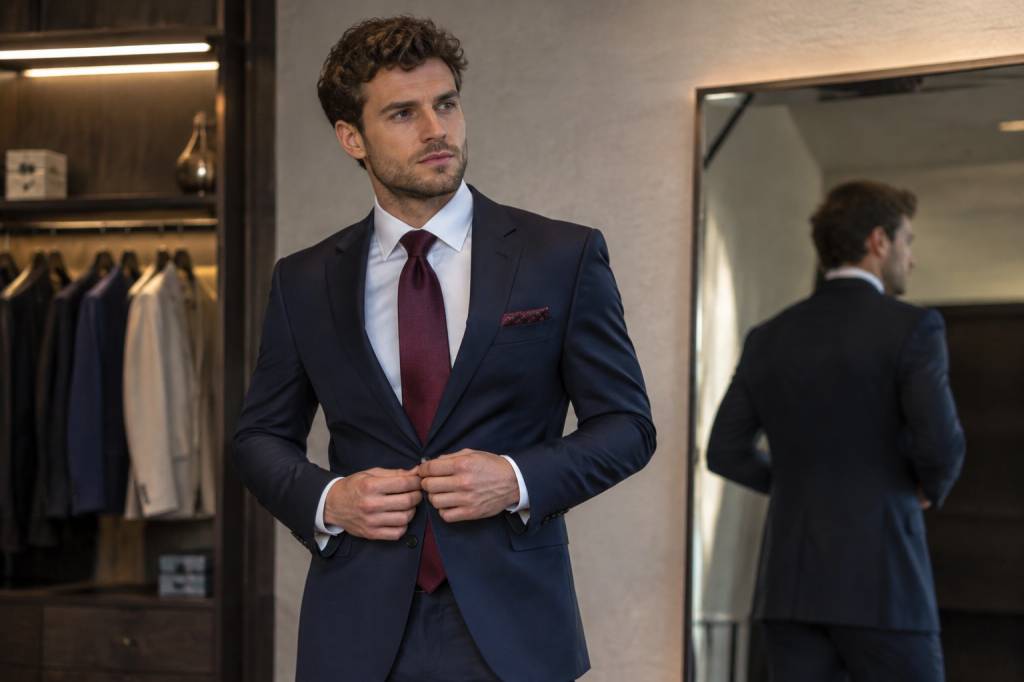
For versatility, a solid navy or charcoal suit is usually the safest starting point. Navy works for interviews, dinners, and many wedding invitations; charcoal has a slightly more formal feel and pairs beautifully with white or pale blue shirts. If you already own those classics, a subtle check or textured fabric can add personality without turning you into the most ambitious man at the conference table.
Pay attention to the suit’s overall visual line, too. A jacket that closes neatly, trousers with a clean drape, and a shirt in a similar tonal family create a more continuous look. That is useful for any man, but particularly appealing if you want to appear a little taller. Strong contrast between jacket and trousers can visually divide the body; coordinated colors tend to guide the eye from top to bottom.
Fit: the detail that decides everything
A suit can look expensive on a hanger and disappointing on a person. Fit is the great equalizer. Even a reasonably priced suit can look polished when the shoulders, sleeves, waist, and trouser length are right. And even a costly one can look wrong if the jacket pulls across the chest or the trousers bunch around the shoes.
When checking a Mantoni suit, start with the shoulders. The jacket seam should sit close to the end of your natural shoulder, without extending far beyond it or pinching inward. Shoulder alterations are difficult and can be costly, so this is one of the first things to get right. Next, fasten the jacket and see whether it closes smoothly. A little shaping is flattering; a button straining for its life is not.
Sleeve length matters more than many first-time suit buyers realize. Ideally, the jacket sleeve should show a modest amount of shirt cuff when your arms rest naturally. The exact amount is a matter of taste, but a sleeve that hides the shirt entirely can make the arms look shorter, while one that exposes too much can seem accidental.
For the trousers, check the waist, seat, and rise before worrying about the hem. You should be able to sit and walk comfortably without the fabric pulling tight. The hem can usually be adjusted by a tailor; a badly fitting seat is a more troublesome repair. If the trousers arrive a little long, do not panic. That is one of the easiest alterations to arrange.
Ready-to-wear sizing is never perfectly universal. A “slim fit” may feel trim on one body and restrictive on another, and two suits in the same labeled size can still sit differently. If you are between sizes, compare the garment measurements with a suit you already own that fits well. When a size chart is available, use it rather than guessing based on the size printed on a shirt label.
Can a Mantoni suit help you look taller?
No suit adds actual height, alas. If tailoring could do that, every man in Milan would need a larger passport photo. But smart proportions can create a longer, cleaner impression, and that is where a well-chosen suit helps.
Choose a jacket that is not excessively long or boxy. A jacket ending around the seat usually gives a balanced silhouette, though the right length depends on your build and the cut. Trousers that sit at a comfortable natural waist can also lengthen the visible line of the legs. Avoid an overly low rise if your aim is a taller-looking outline, since it can make the torso appear longer and the legs shorter.
Keep the details fairly streamlined. A close match between the suit and the shoes, a simple shirt, and a tie with a modest pattern can help maintain a vertical flow. A narrow, well-proportioned lapel may suit a smaller frame better than an exaggerated wide lapel. The goal is not to disappear into a column of navy; it is to make every part of the outfit look deliberate.
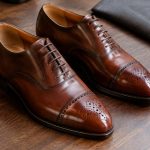
And, of course, shoes matter. A sleek dress shoe with a modest internal lift can add discreet height while preserving the suit’s clean appearance. The key word is discreet. A bulky sole under a narrow trouser hem can draw attention to the very thing you would rather keep quiet. Pair the shoe shape with the trouser opening, and let the extra height remain your little secret.
Fabric and construction: read the details
Product photographs are excellent at showing color and rather less talented at explaining how a suit feels after eight hours. For that, check the fabric description. If the listing identifies the fiber content, use it to understand the likely feel, breathability, and care requirements. Wool is a classic choice for year-round tailoring, while blends may offer easier care or a lower price. The exact result depends on the cloth and construction, not just one word on a label.
Also look for details such as lining, pocket style, button arrangement, and care instructions. A fully lined jacket may feel more structured and slide over a shirt easily, while a lighter construction can feel more relaxed. Neither is automatically better; it depends on when and where you expect to wear the suit. For a hot summer wedding, comfort and breathability may matter more than a sharply structured shoulder.
If the product page is vague, contact the seller before ordering. Ask for the fabric composition, garment measurements, and information about returns. A straightforward answer is reassuring. If you cannot get basic details, consider whether you are comfortable making the purchase with limited information.
Value for money: what are you really paying for?
Value is not simply the lowest price. It is the relationship between cost, fit, appearance, durability, and how often you will wear the suit. A budget-friendly suit worn twice and then abandoned is not a bargain. A moderately priced one that serves you for work meetings, formal dinners, and family events may be a much smarter purchase.
When assessing a Mantoni suit, include the likely cost of alterations. A hem adjustment is usually straightforward, but sleeves or jacket shaping can add more to your total. If the suit fits well in the shoulders and chest, a few small alterations may be all it needs. That is often a good sign for a ready-to-wear purchase.
Compare the final cost with other suits in the same category, not with a made-to-measure garment or a luxury designer piece. Look at what is included, how the fabric is described, and whether shipping and returns are practical. A lower sticker price can lose its shine if the exchange process is difficult or the fit is far from your measurements.
For occasional wear, a Mantoni suit could make financial sense if the cut suits you and the product details are clear. For daily business use, think about comfort and durability as well as appearance. Frequent wear puts more strain on trousers and seams, so a second pair of trousers, if offered, can be useful because trousers often wear out sooner than jackets.
How to choose the right one
Before ordering, take a few minutes to measure yourself or ask a tailor to do it. Keep the numbers handy and compare them with the specific garment chart. Then decide what you need the suit to do: handle a formal event, work as an office staple, or bring a little polish to a wardrobe that has been surviving on separate jackets and trousers.
-
Choose navy or charcoal if this will be your first suit.
-
Check the shoulder fit and chest measurements before focusing on the trouser hem.
-
Read the fabric, lining, and care information on the exact product listing.
-
Review return and exchange rules before buying, especially when ordering online.
-
Set aside a small alteration budget so the finished suit fits your body, not an imaginary average man.
If you can try the suit on in person, move around in it. Sit down, raise your arms, and walk a few steps. A suit should not feel like a costume that only works while you stand perfectly still. If ordering online, take photos of the sizing information and confirm the return window before removing tags or arranging alterations.
Who is a Mantoni suit best for?
Mantoni is most appealing to men who want a sharp, contemporary look and are willing to check the details rather than buy on branding alone. It may suit a first-time buyer looking for an accessible formal outfit, someone refreshing an older wardrobe, or a man who needs a smart suit without moving into high-end tailoring prices.
It may be less suitable if you need a precise fit straight from the box, have unusual proportions, or expect premium cloth and extensive construction details as standard. In those cases, a local tailor or made-to-measure service can be worth the extra investment. The best suit is not necessarily the most expensive one; it is the one that lets you forget about your clothes and get on with the evening.
My verdict? Mantoni suits deserve a look as a style-conscious, budget-aware option, but the specific suit matters more than the name. Check the fabric and measurements, be realistic about alterations, and choose a cut that works with your build. Do that, and you may find yourself standing a little straighter—not because the suit has performed a miracle, but because you feel comfortable, well dressed, and ready to be noticed for the right reasons.