






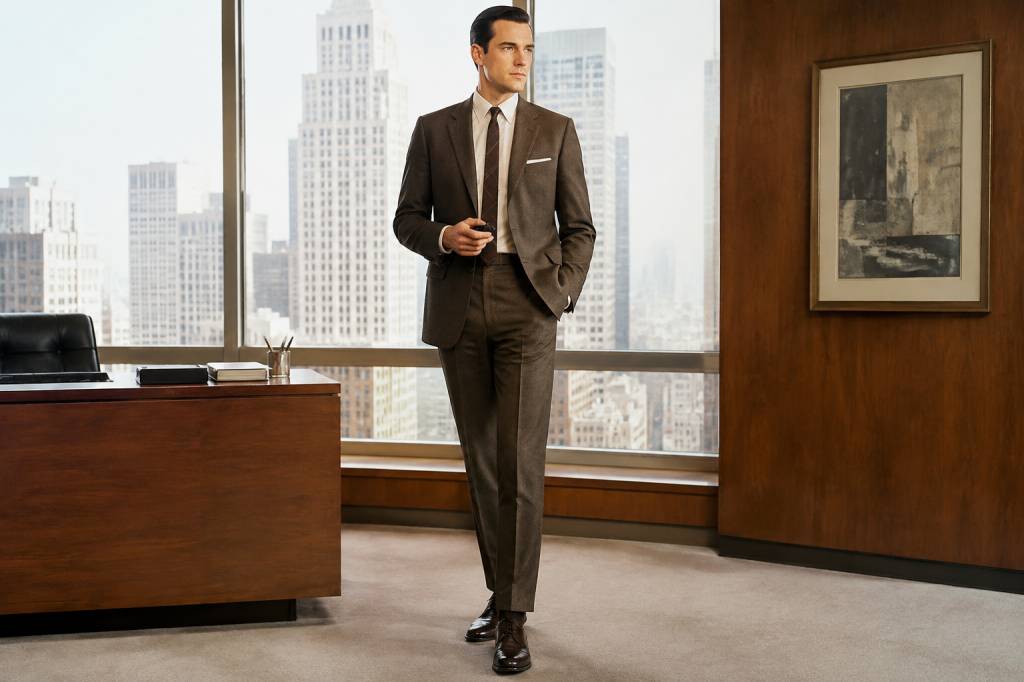
There are wardrobes that shout for attention, and then there is Agent Dale Cooper’s: a dark suit, a crisp shirt, a slim tie, and the quiet confidence of a man who knows exactly how he takes his coffee. His look from Twin Peaks feels polished without being showy—which is precisely why it still works today. And if you’d like a little extra height with your Cooper-inspired outfit, the right pair of elevator shoes can slip into the picture without stealing the scene.
The trick is not to dress like you’re heading to a costume party in the Pacific Northwest. It’s to borrow the ingredients that make Cooper’s style memorable: clean lines, thoughtful proportions, and a calm, capable presence. Here’s how to recreate the look, choose a tie that earns its place, and add discreet height while keeping the whole outfit natural.
What makes the Agent Cooper look work?
Cooper’s style is simple on paper, but simplicity is rarely accidental. A well-fitted dark suit gives him a neat outline. A white shirt brings contrast to the face. A narrow, understated tie completes the outfit without competing with it. Add tidy grooming and polished shoes, and the result is smart, approachable, and quietly distinctive.
That balance is the real inspiration. You don’t need to copy every detail from the screen; you need the same sense of restraint. Choose clothes that fit your shoulders and waist, keep the colors coordinated, and let one or two carefully selected details do the work. A tie can be that detail—especially if you get its width, length, and texture right.
I was reminded of this at a small dinner in Milan. One guest wore a beautifully cut charcoal suit and a modest dark tie, but the jacket was too long and the trousers pooled over his shoes. The pieces were excellent; the proportions were not. He looked less like a sharp detective and more like he had borrowed his uncle’s wardrobe. The lesson? Fit is the quiet star of this look.
Choosing an Agent Cooper-inspired tie
When people search for an “Agent Cooper tie,” they may have a particular screen-worn tie in mind. For a wearable interpretation, start with a slim, dark tie in black, charcoal, deep navy, or a restrained burgundy. A subtle texture—such as grenadine, fine ribbing, or a small woven pattern—adds interest without turning the tie into the main character.
Keep the width in proportion to your lapels and build. A tie around 2.5 to 3 inches at its widest point gives a modern, streamlined effect on many men, though the best width depends on your frame and jacket. Very skinny ties can look dated or overly youthful with a traditional suit. If your lapels are broad, an ultra-narrow tie may appear lost between them.
Length matters just as much as width. Once tied, the tip should generally reach the middle of your belt buckle. Too short, and the tie looks like it has been startled upward; too long, and it begins an awkward investigation of your trousers. Practice a simple four-in-hand knot for an easy, slightly asymmetrical finish. It works particularly well with a slim tie and a standard collar.
- For a classic Cooper mood: Choose a solid black or charcoal tie with a matte finish.
- For a little personality: Try dark navy, burgundy, or a very small geometric pattern.
- For a more formal outfit: Match the tie’s level of polish to the suit and shirt, rather than mixing a glossy tie with a very casual jacket.
- For an easy everyday version: Pair a dark knitted tie with a navy blazer and tailored trousers.
A small detail worth remembering: a tie does not need to match your shoes exactly. It should belong to the same outfit, not look as if it was purchased in a two-piece set with your footwear.
Build the outfit from the ground up
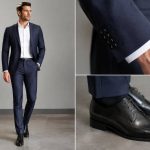
Begin with a dark suit in navy, charcoal, or black. Navy and charcoal are especially versatile, and they tend to feel less severe than a head-to-toe black outfit. Look for a jacket that sits smoothly across the shoulders, with sleeves ending near the wrist bone so a little shirt cuff can show. The jacket should fasten without pulling into a dramatic X across your stomach.
A clean white shirt is the easiest companion to the Cooper-style tie. Choose a collar that suits your face and knot: a standard point collar is dependable, while a semi-spread collar gives a little more room around the knot. Press the shirt properly. It sounds obvious, but a crisp shirt can make an ordinary suit look considered; a rumpled one can make an expensive suit look as though it missed its appointment.
For trousers, aim for a neat line with little or no break at the shoe. This matters especially when you wear elevator shoes. Excess fabric can bunch around the ankle and draw attention downward, while a clean hem helps the leg line look longer. A slightly tapered cut usually works well, provided it is comfortable when sitting and walking.
Finish with a simple belt that coordinates with your shoes, or skip the belt if your trousers are designed for side adjusters. Keep accessories restrained: a modest watch, a folded pocket square, or a plain tie bar can work. You’re aiming for “well-prepared investigator,” not “every accessory in the evidence room.”
Adding elevator shoes without changing the character
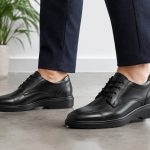
Elevator shoes are designed with a built-in lift inside the shoe, giving you extra height while keeping the outside appearance similar to conventional footwear. For a formal, Cooper-inspired outfit, look for a leather Oxford or Derby with a clean profile, a dark finish, and a sole that does not look excessively bulky.
The goal is a natural-looking silhouette. Your trousers should meet the shoe cleanly, and the shoe should feel like part of the outfit—not a separate announcement. Black leather is an easy match for a black or charcoal suit; dark brown can work beautifully with navy, depending on the rest of your accessories. A plain cap-toe Oxford is a safe choice for formal settings, while a Derby offers a slightly more relaxed feel.
Height gains vary by shoe design, so check the product’s stated lift rather than guessing from the sole. More importantly, choose a height that feels comfortable for your body and your plans. If you’ll be walking across town, standing through a long event, or making a dash for the train, comfort is not a minor detail. It is the difference between enjoying the evening and silently negotiating with your feet by dessert.
When trying elevator shoes, wear the socks you expect to use with the outfit. Walk on a firm surface, test the fit around the heel, and make sure your toes have room. The internal lift changes how your foot sits in the shoe, so a pair that feels comfortable for a quick fitting may need a little breaking in. Wear new shoes at home for short periods before taking them to a full day out.
Fit and proportions: the real height advantage
Elevator shoes can add physical height, but the whole outfit determines how tall and balanced you appear. A jacket that is too long can shorten the leg visually. Trousers that bunch at the hem can interrupt the line. A tie that hangs far below the belt can pull the eye downward. Small adjustments make the outfit look more composed from head to toe.
Try these proportion tricks:
- Keep the jacket fitted, not tight. A clean waist shape helps define your silhouette without restricting movement.
- Choose trousers with a tidy hem. A slight break or no break often looks sharper with formal elevator shoes.
- Use similar colors through the lower half. Dark trousers and dark shoes create a continuous visual line.
- Keep the tie at the right length. Its tip should finish around the belt buckle, not halfway down your fly.
- Avoid oversized contrasts. A very wide lapel paired with a very narrow tie can make the outfit feel unbalanced.
None of this requires a tailor on speed dial. A simple trouser alteration can make a remarkable difference, and many dry cleaners offer basic hemming. If your suit fits well in the shoulders but needs adjustment elsewhere, a tailor may be able to improve it without a full wardrobe investment.
Three ways to wear the look
The classic investigator: Pair a charcoal or navy two-piece suit with a white shirt, solid black tie, black cap-toe elevator shoes, and a plain leather belt. This is the closest everyday interpretation of Cooper’s sharp, formal style. Keep the tie matte and the accessories quiet.
The relaxed office version: Wear a navy blazer with charcoal trousers, a pale blue shirt, and a dark knitted tie. Add polished dark brown elevator shoes if the setting allows them. The result keeps the composed spirit of the look without feeling as if you’re about to question the office printer.
The evening variation: Choose a black or deep charcoal suit, a white shirt, and a narrow burgundy or midnight-blue tie. A discreet patterned pocket square can add texture, but keep the pattern small. Black elevator shoes complete the outfit and help maintain a long, clean line beneath the trousers.
Common mistakes to avoid
The first mistake is treating the tie as the entire outfit. A black tie cannot rescue a suit that fits poorly, just as a stylish pair of shoes cannot make trousers that drag along the ground look intentional. Give equal attention to fit, fabric, and grooming.
The second is choosing elevator shoes only for their maximum lift. The tallest option is not automatically the best option. If your gait feels unnatural, the shoes are too tight, or your trousers no longer fall correctly, the extra height has come at the expense of the overall look. Comfort and proportion should guide your choice.
Finally, don’t overdo the Twin Peaks references. A cherry pie might be a charming nod at a themed party, but for a workday outfit, the suit, shirt, tie, and shoes are quite enough. Cooper’s style is appealing because it feels deliberate, not theatrical.
Make the look your own
The best Agent Cooper-inspired outfit is not a replica; it’s a well-dressed version of you. Keep the dark suit and clean shirt if those suit your style, but choose a tie color you genuinely enjoy. Select elevator shoes that feel stable and comfortable, then have your trousers adjusted so the hem sits neatly. A little extra height can complement the outfit, but the confidence comes from knowing every piece fits and works together.
So, tie the knot, check the collar, and take a moment at the mirror before heading out. Does the outfit feel polished rather than stiff? Can you walk comfortably? Do the shoes blend naturally with the trousers? If the answers are yes, you’re ready—not to solve every mystery in the forest, perhaps, but certainly to make a memorable entrance.