





When men discover elevator shoes, they often look first at the hidden lift, the silhouette, or the extra inches promised by the insole. All of these details matter. But there is another feature, quieter and far less theatrical, that can make a remarkable difference to the quality of the shoe: single needle stitching.
It does not sparkle like polished leather, and it will not announce itself when you walk into a room. Yet this traditional construction technique can influence durability, comfort, flexibility, and even the refined appearance of a pair of elevator shoes. In other words, single needle stitching is one of those small details that separates a merely attractive shoe from one that becomes a trusted companion.
As someone who has spent a great deal of time examining men’s footwear, I have learned that quality often hides in plain sight. A handsome pair of shoes may catch your eye, but the stitching tells you whether the maker was thinking about tomorrow as well as today.
What is single needle stitching?
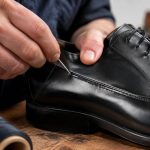
Single needle stitching is a method in which one needle and one thread are used to create a precise line of stitches. The stitching is usually applied to areas such as the shoe upper, the welt, the sole, or decorative seams. Because the thread follows one carefully controlled path, the result is clean, even, and remarkably detailed.
This differs from double needle stitching, where two needles and two threads work simultaneously. Double stitching can be useful for speed or for creating a stronger-looking decorative effect, but it may produce a wider seam. Single needle work, by contrast, allows the shoemaker to control the distance between each stitch and the edge of the leather with great accuracy.
Imagine a tailor sewing a fine Italian jacket. The difference is not simply that one jacket has thread and the other does not. It is the precision of the line, the consistency of the tension, and the way the fabric lies afterward. The same principle applies to footwear. In a well-made shoe, stitching is both functional engineering and a quiet form of craftsmanship.
Why does stitching matter in elevator shoes?
Elevator shoes have a special construction. Their soles and internal lifts must provide additional height while preserving balance, comfort, and a natural appearance. This combination creates demands that ordinary flat shoes do not always face.
A poorly designed elevator shoe can feel heavy, stiff, or unstable. If the upper is not securely attached to the sole, the extra structure inside the shoe may place additional stress on the seams. Every step creates movement between the foot, the upper, the midsole, the hidden lift, and the outsole. Quality stitching helps these components work together as one unit.
Single needle stitching contributes to this process in several important ways:
- It creates precise seams around the shoe’s upper and sole.
- It helps distribute tension evenly across the leather.
- It reduces bulky stitching that can affect the shoe’s elegant profile.
- It supports a more flexible and comfortable construction.
- It makes it easier to inspect the quality of the workmanship.
The stitching will not magically transform an uncomfortable shoe into a comfortable one. A well-designed lift, supportive footbed, suitable last, and quality materials are still essential. But when these elements are combined with careful single needle construction, the result can feel far more refined.
Precision creates a cleaner appearance
One of the first benefits you may notice is visual. Single needle stitching can produce a narrow, disciplined seam that complements the shape of the shoe rather than competing with it.
This is especially important in elevator shoes because the design must conceal the extra height. The shoe should look like a sophisticated dress shoe, loafer, boot, or sneaker—not like a complicated piece of orthopedic equipment that has wandered into a wardrobe by mistake.
When stitches are uneven, too large, or placed too close to the edge, the shoe may appear rushed or inexpensive. Clean stitching gives the upper a sharper outline and helps preserve the elegant proportions of the design. On a black leather Oxford, for example, a discreet row of precise stitches can frame the toe cap beautifully. On a casual suede elevator sneaker, it can reinforce the sporty character without making the shoe look bulky.
There is a certain magic in restraint. The best craftsmanship often whispers rather than shouts.
Improved durability at high-stress areas
Every shoe experiences stress, but elevator shoes have additional structural elements that make secure construction particularly valuable. The heel area, the waist of the shoe, the connection between the upper and sole, and the front flex point all endure repeated pressure during walking.
Single needle stitching allows the manufacturer to place the seam exactly where it is needed. The thread can follow the contours of the shoe and remain close to the edge without cutting awkwardly across the leather. With proper tension, this helps keep the upper firmly attached while allowing the shoe to move naturally.
Think about the moment your foot bends as you climb stairs. The front of the shoe flexes, while the heel remains comparatively stable. A poorly made seam may begin to loosen at this point, especially if the shoe is worn frequently. A carefully executed single needle seam is less likely to create unnecessary pressure points or uneven tension.
Of course, durability also depends on the thread, leather, adhesive, outsole, and construction method. Stitching should not be considered in isolation. Nevertheless, precision at the seam is one of the foundations of a long-lasting shoe.
Better control over leather and materials
Leather is a natural material. It has grain, softness, density, and personality. Two pieces from the same hide may not behave in precisely the same way. A skilled shoemaker must therefore adjust the stitching to the material rather than treating every section as if it were identical.
Single needle stitching offers this level of control. The maker can regulate the stitch length and thread tension as the seam moves across different parts of the upper. This is useful when working with supple calfskin, firm full-grain leather, suede, or textured materials.
If the thread is pulled too tightly, the leather can pucker. If it is too loose, the seam may look untidy and provide less support. The best result is balanced: the thread holds the material securely while allowing it to retain its natural shape.
This attention becomes particularly valuable in elevator shoes, where the upper must often be shaped around a more structured interior. A flexible leather upper paired with a rigid, poorly finished internal lift can create discomfort. Precise stitching helps the external material follow the intended shape without unnecessary wrinkles or tension.
Comfort is more than cushioning
When men talk about comfortable shoes, they often mention memory foam, padded collars, or soft insoles. These features are useful, but comfort also depends on how the entire shoe moves with the foot.
Bulky seams can rub against the toes, heel, or sides of the foot. Uneven stitching may create small pressure points that become very noticeable after several hours. This is one reason a shoe that feels fine for five minutes in a shop may become a rather less charming character by the end of a long day.
Single needle stitching can help keep seams flatter and more controlled. When the interior is finished properly, there are fewer rough edges and less excess material pressing against the foot. The shoe can flex in a more predictable way, especially around the forefoot.
For elevator shoes, this matters because the internal lift may already alter the way the foot sits inside the shoe. A well-shaped lift should support the heel gradually rather than forcing the foot into an unnatural angle. Clean, accurate stitching supports the upper around this structure and helps maintain a smooth interior environment.
Single needle stitching and discreet height
The purpose of elevator shoes is not simply to add height. The goal is to create a taller, confident appearance while maintaining natural proportions. This is why the exterior design is so important.
Single needle stitching can assist with discretion in several ways. First, it allows the upper to remain relatively sleek. Second, it avoids the oversized seam lines that might make the shoe appear heavier. Third, it helps the shoe maintain the profile of a conventional dress shoe or casual style.
Consider a pair of elevator loafers. Their appeal comes from a clean opening, a graceful vamp, and a streamlined sole. If the stitching is rough or oversized, these proportions can quickly lose their elegance. With refined single needle work, the shoe preserves a polished outline while quietly housing its additional height.
This is the secret of good elevator footwear: the technology should serve the style, not become the style.
How to inspect single needle stitching when buying shoes
You do not need to be a master shoemaker to evaluate stitching. A few simple observations can tell you a great deal about the care invested in a pair of shoes.
- Look for even stitch length. The stitches should appear consistent rather than crowded in one area and widely spaced in another.
- Check the alignment. Seams should follow the shape of the shoe smoothly, without sudden curves or wandering lines.
- Examine the edges. The thread should sit securely in the leather and should not appear ready to unravel.
- Inspect the inside. Whenever possible, look for a comfortable lining and seams that do not feel rough or bulky.
- Study the sole connection. The upper and sole should meet neatly, with no large gaps or visible excess adhesive.
- Flex the shoe gently. The front should bend naturally without the stitching stretching dramatically or the leather puckering.
Do not reject a shoe because it has one tiny irregularity. Handmade products can have subtle variations, and a little individuality is not a crime. But repeated unevenness, loose threads, or a visibly crooked seam should make you cautious.
Single needle stitching versus decorative stitching
Not every visible stitch is structural. Some stitching is primarily decorative, while other seams help hold the shoe together. The two can look similar, which is why it is wise not to judge quality solely by the number of lines you see on the upper.
A shoe covered in stitching is not automatically better made. In fact, excessive decorative stitching can sometimes make a design look busy or distract from the natural shape of the leather. What matters is whether the functional seams are precise and whether the decorative details support the overall design.
On a formal elevator shoe, discreet stitching may be the most elegant choice. On a brogue, boot, or casual sneaker, more visible stitching can add character. The principle remains the same: every line should have a purpose, whether structural or aesthetic.
Care tips to protect stitched elevator shoes
Even the finest stitching benefits from sensible care. Dirt and moisture can weaken leather and affect the thread over time, particularly around the sole and flex points.
- Brush away dust after wearing the shoes, especially around the seams.
- Use a suitable leather conditioner, but avoid saturating the stitching.
- Allow the shoes to dry naturally if they become wet; never place them directly on a radiator.
- Use shoe trees to preserve the shape and reduce creasing around stitched areas.
- Rotate your shoes so each pair has time to rest and dry between wears.
- Have a worn outsole repaired before the damage reaches the upper or the main seams.
For suede elevator shoes, use a suede brush and a protective spray designed for that material. For leather styles, a gentle polish can nourish the surface and keep the shoe looking composed. Your shoes may give you extra height, but they cannot give themselves a day off. That part remains your responsibility.
A small detail with a lasting effect
Single needle stitching may not be the feature that first attracts you to elevator shoes. You may be thinking about the additional height, the confidence of a sharper silhouette, or the pleasure of finding a style that works with your wardrobe. Those are excellent reasons to look closer.
But once you understand the role of stitching, you begin to see the shoe differently. The neat seam around the toe, the carefully finished edge near the sole, and the smooth interior are no longer minor details. They are evidence of control, patience, and respect for the person who will wear the shoe.
A quality pair of elevator shoes should feel balanced, look natural, and remain reliable long after the first compliments have been received. Single needle stitching helps make that possible by combining precision with discretion. It supports the structure, protects the elegance, and contributes to the comfortable movement of the shoe.
So, the next time you examine a pair of elevator shoes, do not look only at how many inches they add. Look at the stitches. Are they calm, even, and purposeful? If they are, you may have found a pair whose craftsmanship is working quietly in your favor—one confident step at a time.