








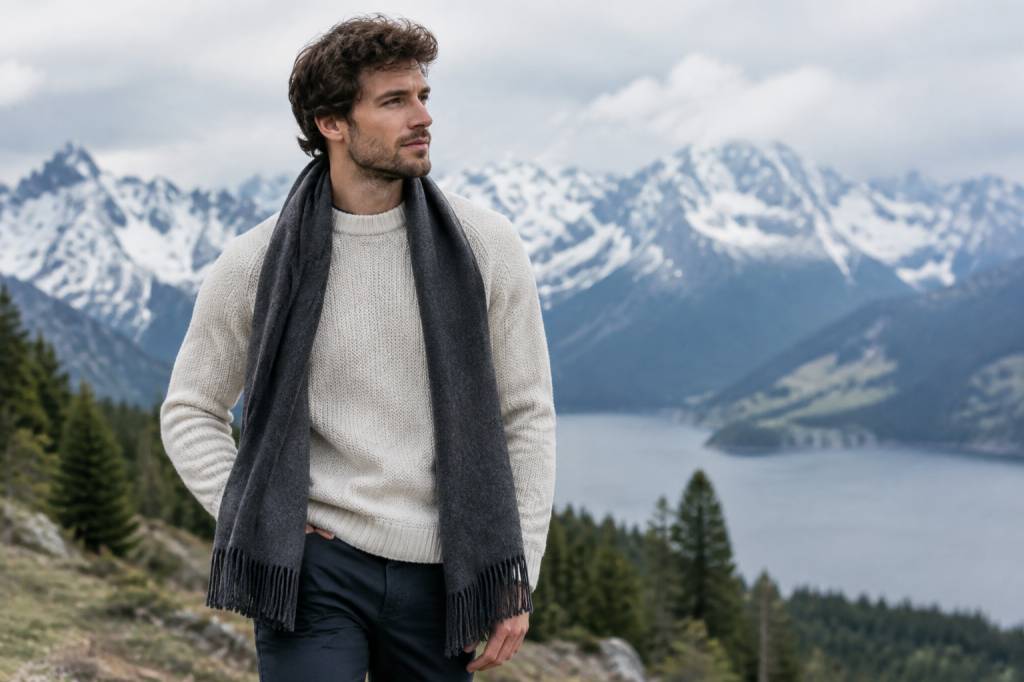
There is a particular pleasure in pulling on a wool coat when the first cold wind arrives. It feels substantial without being stiff, warm without turning you into a walking duvet, and—when you choose well—handsome enough to make even a simple outfit feel considered. But wool labels can be a little mysterious. What does “all new wool” actually mean, and is it always the best choice?
Let’s sort through the terminology, the different kinds of wool, and the details worth checking before you buy. A good wool garment can serve you for years. Like a well-made pair of shoes, it rewards a little attention at the start.
What does “all new wool” mean?
“All new wool” generally means the garment is made entirely from wool that has not previously been used in another textile product. You may also see the term “virgin wool,” which refers to the same broad idea: newly shorn wool, rather than fibers recovered from old clothing or fabric scraps.
That distinction matters because wool can be recycled. Recycled wool is made from reclaimed wool garments or leftover production materials. It can be a thoughtful, lower-waste choice, but the fibers may have been shortened during processing. Shorter fibers can produce a fabric that is less smooth or durable than one made with longer, unused fibers.
Still, “new” does not automatically mean “better.” The words tell you something about the fiber’s previous life, not everything about the garment’s quality. The breed of sheep, the fiber length, the spinning and weaving methods, the fabric weight, and the construction all make a difference. A poorly made coat of new wool will not magically become a masterpiece because the label sounds impressive.
Why wool is such a useful wardrobe fabric
Wool has a rare talent for being practical and elegant at the same time. Its natural fibers help trap warm air, which makes wool useful in cold weather. Wool can also absorb moisture vapor while still feeling relatively dry, so it is often comfortable across a range of conditions. That does not mean a wool sweater is waterproof; it means the fabric can manage everyday warmth and moisture better than many people expect.
Wool fibers also have a natural crimp, or gentle wave. This helps fabrics spring back after wear and gives them some resistance to wrinkles. Hang a wool jacket properly after a long day, and it may look far fresher the next morning than a shirt that has spent the night folded over the back of a chair. We have all made that chair mistake.
There is a style advantage, too. Wool drapes beautifully, adding shape without requiring stiff, uncomfortable fabric. A wool overcoat can sharpen the outline of a casual outfit; a fine merino sweater can sit neatly under a blazer. For a balanced look, pay attention to proportions: a clean, well-fitting coat and trousers create a more elongated silhouette than bulky layers that swallow your frame.
Different kinds of wool, different jobs
Not all wool feels or performs the same way. The name on the label can offer a clue about what you are buying, though the fabric itself is still worth inspecting.
-
Merino wool: Often softer and finer than traditional wool, merino is popular for sweaters, base layers, socks, and lightweight knitwear. It can be comfortable next to the skin, although sensitivity varies from person to person.
-
Lambswool: Taken from a young sheep’s first shearing, lambswool is often soft and springy. It is a common choice for warm sweaters and scarves.
-
Cashmere: Technically a fine fiber from cashmere goats, not sheep. It is prized for softness and lightness, but quality varies widely, and a cashmere label alone does not guarantee longevity.
-
Shetland wool: Traditionally associated with the Shetland Islands, this wool tends to have a more textured, rustic character. It suits sturdy sweaters with a relaxed, heritage feel.
-
Worsted wool: This describes a way of preparing and spinning wool fibers, rather than a sheep breed. The fibers are combed to lie more smoothly, producing a crisp, refined fabric often used in suits and trousers.
-
Recycled wool: Made from recovered wool fibers. It can be an appealing choice for shoppers seeking to use existing materials, though the finish and durability depend on how the fabric is made.
Think about where and when you will wear the garment. A soft merino layer is useful under a jacket, while a dense wool coat is better suited to walking through a chilly city. A textured Shetland sweater may be charming at the weekend but less appropriate for a formal meeting. The right wool is the one that fits both your climate and your calendar.
How to read a wool clothing label
Start with the fiber content. “100% wool” tells you the garment is made entirely from wool fibers, but it does not identify the wool type or promise that the item is especially warm, soft, or durable. “All new wool” indicates that the wool has not been recycled from previously used textiles, but it still does not tell you how the garment was constructed.
Blends can be useful. Wool mixed with nylon may be more resistant to abrasion, while a small amount of elastane can add stretch. A wool-and-cotton blend may feel lighter or less warm than a dense wool fabric. There is no need to treat every blend as a compromise; just make sure the combination suits the garment’s purpose.
Check the care instructions before you fall in love. Some wool items can be machine-washed on a gentle wool cycle, while others need hand washing or dry cleaning. If you dislike special-care laundry, a “dry clean only” sweater may spend more time in your closet than on your shoulders.
Also look for information about origin, certification, or animal-welfare standards if these matter to you. Labels and claims can vary by market, so read the specific wording rather than assuming every wool garment follows the same practices.
How to choose a quality wool garment
Begin with the feel, but do not stop there. Run your hand over the fabric. Does it feel pleasant against the skin? Is the surface even, or are there loose fibers and thin patches? A little fuzz is normal, particularly in soft knitwear, but obvious holes, weak seams, and uneven stitching are not signs of character. They are signs to keep shopping.
Next, check the weight and density. Hold the garment up to the light. For a coat, you generally want a fabric that feels substantial and hangs smoothly. For a fine sweater, lighter fabric may be exactly right. The goal is not to buy the heaviest item in the shop; it is to choose a fabric suited to how you will wear it.
Examine the seams, buttons, lining, and hems. Seams should be secure and consistent. Buttons should feel firmly attached, and the lining should sit flat rather than pulling or twisting. With a coat, try it on over the thickest layer you expect to wear underneath. Move your arms, button it, and sit down. A garment that looks terrific on a hanger but restricts your shoulders is not a bargain.
Fit matters as much as fiber. The shoulder seam should generally sit close to the edge of your shoulder, while sleeves should allow movement without bunching excessively. A well-proportioned wool coat frames the body instead of hiding it. If you are aiming for a taller, cleaner silhouette, avoid an overly long, boxy coat that overwhelms your frame; a balanced length and tidy fit can make an outfit look more streamlined.
Choosing wool for your wardrobe
For a first wool purchase, choose the item you will wear most often. If winter where you live is mild, a lightweight merino sweater may earn more use than a heavy overcoat. If cold mornings are a daily reality, invest in a warm coat with a dense fabric and enough room for comfortable layering.
Neutral colors—navy, charcoal, camel, and dark brown—are easy to combine with trousers, denim, and smarter outfits. That does not mean you must dress like a very serious chessboard. A textured knit or a muted green scarf can add personality without making the garment difficult to wear.
Consider cost per wear rather than only the price tag. A well-made wool coat worn for several winters may offer better value than a cheaper coat that pills, loses its shape, or feels uncomfortable after a month. Check the return policy, especially when buying online, and use the size chart carefully. Your shoulders, sleeve length, and preferred layering habits matter more than the label’s idea of a “medium.”
Keeping wool looking its best
Wool does not need to be washed after every wear. In many cases, airing a garment outdoors or in a well-ventilated room is enough to freshen it. For small marks, follow the care label and treat the stain promptly rather than rubbing it vigorously into the fibers.
When washing is appropriate, use a detergent made for wool and avoid sudden changes in water temperature. Heat and agitation can cause some wool fabrics to shrink or felt. Press water out gently—never twist a sweater like a beach towel—and dry knitwear flat, reshaping it while damp. Hanging a wet sweater can stretch it out of shape.
Store wool clean and dry. Fold heavy sweaters rather than hanging them, since their weight can pull at the shoulders. Use a sturdy hanger for coats, and give garments enough space to breathe. For long-term storage, protect wool from moths with clean storage and suitable cedar or other fabric-safe deterrents. Moths have exquisite taste in knitwear and absolutely no respect for your budget.
Is all new wool right for you?
All new wool can be a strong choice if you want a garment made from unused wool fibers, especially when softness, structure, and long-term wear are priorities. But it is not a magic quality stamp. Compare the fabric, construction, fit, care requirements, and price, and decide whether recycled wool or a blend might suit your needs just as well.
The best wool clothing is not necessarily the rarest or the most expensive. It is the piece you reach for on a cold morning because it fits well, feels comfortable, and works with the rest of your wardrobe. Choose thoughtfully, care for it properly, and it may become one of those reliable companions that makes getting dressed—and facing the weather—a little more enjoyable.