
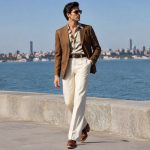





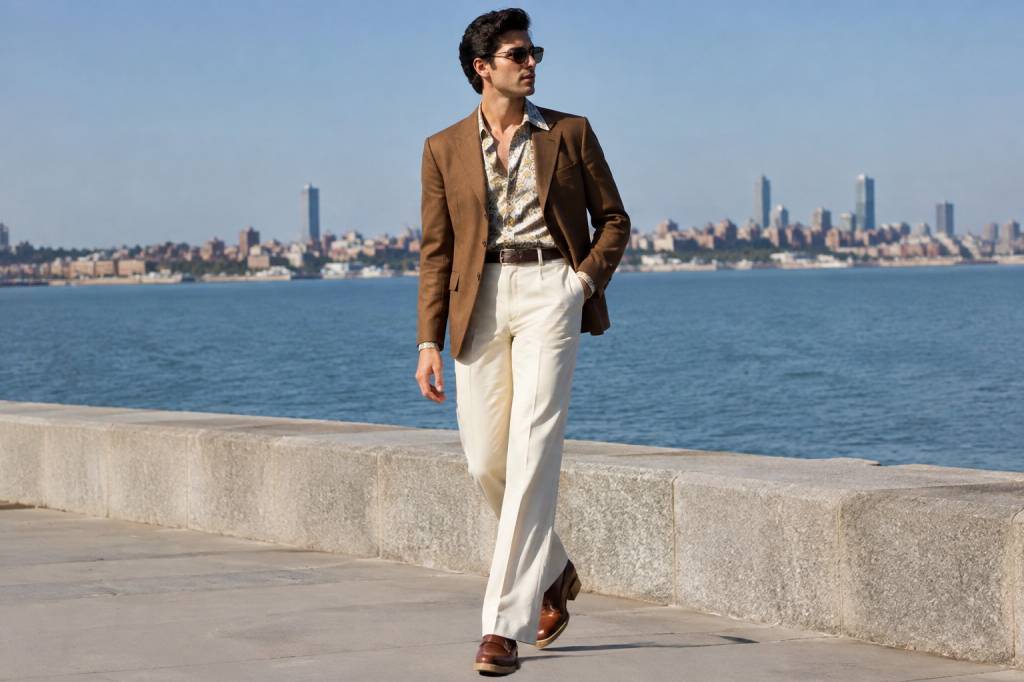
The 1970s gave preppy style a little more room to breathe. It kept the neat collars, polished shoes, and Ivy League confidence of earlier decades, then loosened the tie and added warm colors, wider trousers, and a hint of disco-era swagger. The result was smart without feeling stiff: the kind of outfit that looked equally at home on a college campus, at a weekend lunch, or leaning against a vintage convertible you may or may not own.
Today, that easy confidence is exactly what makes 70s preppy fashion worth revisiting. You do not need a time machine, a tennis club membership, or a closet full of expensive vintage finds. A few thoughtful pieces, a good fit, and the right shoes can bring the look into the present without making you seem as though you are headed to a costume party.
What Makes 70s Preppy Style Different?
Preppy clothing has long drawn inspiration from American college life and traditional sports such as tennis, rowing, and sailing. In the 1970s, those familiar influences became less formal and more expressive. Classic pieces remained, but their shapes and colors changed with the decade.
Think of a button-down shirt with the collar open, a knitted polo tucked into flared trousers, or a soft blazer worn over a striped rugby shirt. The look is tidy, but not overly polished. It suggests that you care about getting dressed, not that you spent an hour in front of a mirror rehearsing your entrance.
Several details help define the decade’s take on preppy dressing:
-
Earthy colors such as tobacco brown, cream, olive, rust, and mustard.
-
Warm-weather shades, including pale blue, coral, and faded pink.
-
Flared or wide-leg trousers, often with a higher rise.
-
Knits, rugby shirts, polos, and relaxed button-downs.
-
Classic footwear such as loafers, boat shoes, and clean leather sneakers.
-
Patterns used with restraint: stripes, checks, argyle, and subtle plaids.
The key is balance. One or two unmistakably 70s details are usually enough. Add flares, a large patterned shirt, platform shoes, and a wide collar all at once, and your outfit may start auditioning for a musical.
Start with the Right Trousers
For many outfits, trousers do the most work. A pair with a little more room through the leg instantly hints at the 1970s, while a medium or high rise creates a clean line from waist to shoe. Look for trousers that sit comfortably at your natural waist and skim the hips without pulling.
Flared trousers need not resemble the dramatic bell-bottoms of a concert poster. A gentle bootcut or a modest flare is easier to wear and pairs neatly with loafers, leather sneakers, or boots. Choose a solid color—navy, brown, charcoal, or cream—and let the silhouette provide the retro character.
Length matters. The hem should sit close to the shoe without dragging on the ground or creating a heavy pile of fabric. When trousers are too long, even excellent shoes disappear beneath them. A small adjustment at a tailor can make an inexpensive pair look considered and well made.
If flares are not your thing, try straight-leg chinos or corduroy trousers. Corduroy has a particularly good 70s-preppy feel: it adds texture, works in cooler weather, and looks handsome in shades such as camel, dark green, or burgundy. Pair it with a simple knit and you are already most of the way there.
Choose Shirts with Character
The shirt is where the look can become playful. A crisp Oxford button-down remains a reliable choice, especially in white, light blue, or a fine stripe. Wear it tucked into trousers for a sharper outfit, or leave it untucked if the cut is designed for that. An untucked shirt should not fall halfway to your knees; relaxed is not the same as borrowed.
For a more unmistakable 70s mood, try a knitted polo. It sits between a T-shirt and a dress shirt, making it a natural companion for corduroy or flared chinos. Choose a plain color for easy styling, or look for a narrow stripe or textured knit. Leave the top button or two open, but do not treat every button as an enemy.
Rugby shirts also work beautifully. Their bold horizontal stripes bring a sporty touch, while a soft collar keeps the outfit connected to classic preppy style. Wear one with plain trousers and simple shoes so the stripes have room to speak. They are already quite good at it.
When the weather cools, layer a shirt beneath a crew-neck sweater or a V-neck knit. Argyle is a traditional option, but it can feel busy when combined with several other patterns. If your sweater has a strong design, keep the shirt and trousers quiet. A little visual breathing room is always stylish.
Add a Blazer Without Looking Overdressed
A blazer can give a 70s preppy outfit structure, but it should not feel too formal. Look for an unpadded or lightly structured jacket with a natural shoulder and a comfortable fit. Navy is timeless; brown, tan, and muted plaid bring more of the decade’s warmth.
Wear it over an Oxford shirt, a polo, or even a fine-gauge crew-neck sweater. For a relaxed combination, swap tailored trousers for dark corduroy or straight-leg chinos. The contrast keeps the blazer from looking as though it is waiting for a board meeting.
Pay attention to the jacket’s proportions. A blazer that is too long or too broad can overwhelm your frame, while one that is too tight will pull across the chest when you move. When trying one on, button it briefly and raise your arms. If the fabric strains or the shoulder seam sits far beyond your shoulder, try another size or cut.
Use Color and Pattern with a Light Touch
One pleasure of 70s preppy style is its color. The decade was not afraid of warm, cheerful shades, but its best outfits still had a clear foundation. Begin with two or three colors that work together, then add a pattern if you like.
A useful combination might be olive trousers, a cream polo, and a brown belt. Another could be navy chinos, a pale-blue button-down, and a rust-colored sweater. These outfits feel seasonal and distinct without relying on loud prints.
Patterns are most effective when they have a supporting cast of solid colors. Try a striped rugby shirt with plain trousers, or a checked blazer over a simple knit. If you wear a patterned shirt and patterned jacket together, keep the scale and colors calm. Otherwise, the outfit may look as though it is having two separate conversations.
Accessories should follow the same rule. A leather belt, a classic watch, or a restrained pocket square can finish the look. You do not need all three every time. Style is not a checklist; it is a way of making the pieces feel like they belong together.
Pick Shoes That Complete the Silhouette
Shoes can make the difference between a convincing preppy outfit and a collection of nice clothes that never quite meet. Loafers are an easy starting point. Penny loafers work with chinos, corduroy, and tailored trousers, while suede versions soften a blazer and bring extra texture. Boat shoes offer a more casual, warm-weather feel, especially with rolled chinos and a polo.
For a modern interpretation, clean leather sneakers can work well. Choose a simple design with minimal branding, and keep them in good condition. A chunky running shoe may be comfortable, but it can overpower the clean lines that make preppy dressing appealing.
Think about proportion as well as style. A flared trouser hem needs a shoe with enough presence to balance it, while a slim chino often pairs easily with a lighter loafer. If you want a little extra height, elevator shoes can add discreet lift while keeping a classic appearance. Look for a profile that works with the trouser hem and does not draw attention to itself.
There is no need to announce that your shoes are doing a little extra work. The best pair simply looks right with the outfit, feels comfortable, and gives you a confident stance. That is a much more charming introduction than a long explanation of your footwear.
Build an Outfit for Different Occasions
For an easy everyday look, combine straight-leg chinos, a striped Oxford shirt, and suede loafers. Add a brown belt that is close in color to the shoes. This outfit is neat enough for dinner but relaxed enough for a weekend stroll.
For cooler weather, wear dark corduroy trousers with a cream crew-neck sweater and a checked blazer. Finish with leather loafers or simple lace-up shoes. Keep the check subtle and the sweater plain so the textures—not a pile of competing patterns—give the outfit its character.
For a casual summer version, try a short-sleeve knitted polo with light chinos and boat shoes. A tucked-in polo creates a sharper line; leaving it out feels more relaxed, provided the shirt is not too long. A thin leather belt can help bring the outfit together without making it formal.
And for an evening with a little more personality, wear a rust or burgundy shirt beneath a navy blazer, with dark trousers and polished loafers. It feels dressed up without becoming rigid. You might even be mistaken for someone who knows the restaurant owner. If so, accept the compliment graciously.
Make the Look Feel Like Yours
Recreating 70s preppy fashion does not mean copying a photograph from the decade piece by piece. The aim is to borrow its strongest ideas—relaxed tailoring, expressive color, useful layers, and classic shoes—and make them work for your life now.
Fit should come first. Vintage clothing can be wonderful, but labels and sizing have changed over time. Try pieces on when possible, check the shoulder and waist, and do not assume that an old garment will fit simply because the tag gives you your usual size. A modern brand can capture the same look with fewer surprises.
Start with one piece you genuinely enjoy wearing. Perhaps it is a knitted polo, a pair of corduroy trousers, or a softly structured blazer. Build around it with simple basics, then introduce another 70s detail when the outfit feels natural. This gradual approach also keeps you from buying a closet full of clothes that only work together on a themed party invitation.
Most importantly, wear the clothes with ease. Preppy style has its roots in tradition, but the 70s version was never about looking frozen in place. Let a collar sit naturally, choose shoes you can walk in, and make room for a little individuality. The most convincing outfit is not the one that follows every rule. It is the one that makes you feel comfortable, well dressed, and ready to enjoy the day.