








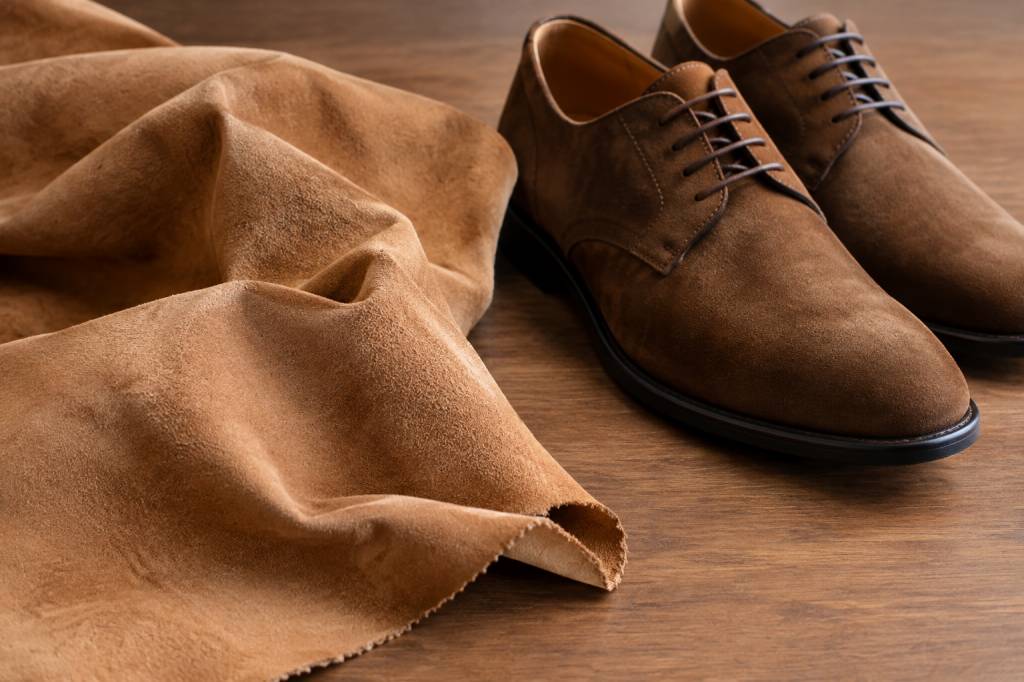
There is something quietly luxurious about a material that feels soft in the hand, works hard in the real world, and has a story stretching from mountain animals to modern wardrobes. Chamois is one of those materials. You may have seen it in a cleaning cloth, a jacket, a pair of gloves, or even a shoe-care kit and wondered: is it leather, fabric, or something else entirely?
The answer depends on the product. “Chamois” can refer to leather traditionally made from the skin of a chamois or other animals, as well as to modern synthetic cloths designed to imitate its softness and absorbency. Knowing the difference helps you choose the right material, care for it properly, and avoid expecting a polishing cloth to behave like a suede jacket.
What is chamois material?
Traditional chamois is a soft, flexible leather. Historically, it was made from the skin of the chamois, a goat-antelope found in mountainous parts of Europe. Today, genuine chamois leather is more commonly made from sheep or lambskin. The hide is treated to create a supple material with a suede-like surface and excellent absorbency.
The word is also used for cloths made from synthetic materials, often microfiber or a synthetic blend. These products are sometimes called “synthetic chamois” or simply “chamois cloths.” They are designed to absorb water and clean delicate surfaces, but they are not animal leather.
That distinction matters. A genuine leather chamois may be used for polishing or drying, while a synthetic version is often made for car care, household cleaning, or sports. The name on the package may be the same; the material and care instructions can be very different.
How is genuine chamois leather made?
Traditional chamois leather is valued for its soft texture and flexibility. In a common process, the prepared hide is treated with oils, which help produce a supple, absorbent leather. The surface is then finished to give it its familiar velvety feel.
There are different tanning and finishing methods, and the details vary by maker. The essential result is a leather that is softer and more absorbent than many ordinary leathers. It can feel almost cloth-like, especially when damp, but it remains a natural animal hide.
Modern chamois products do not all follow this traditional process. Synthetic cloths may use polyester, polyamide, or other fibers. Some are engineered to mimic the feel or performance of genuine chamois, while others simply borrow the name because shoppers recognize it as a material associated with cleaning and absorbency.
Chamois leather, suede, and microfiber: what is the difference?
Chamois and suede are both types of leather, but they are not interchangeable terms. Suede is usually made by finishing the underside of a hide to create a soft, napped surface. Chamois leather is generally treated to be especially pliable and absorbent. The exact feel depends on the hide and manufacturing method, but chamois often has a smoother, more even texture than the fuzzy nap many people associate with suede.
Microfiber, meanwhile, is synthetic. It may look or feel similar to a soft leather, but it is made from manufactured fibers rather than animal hide. A microfiber chamois cloth is usually chosen for cleaning, drying, or polishing—not because it has the same character or aging qualities as leather.
When buying, read the label rather than relying on the word “chamois” alone. If the product is a garment or accessory, check whether it is genuine leather or synthetic. If it is a cleaning cloth, look for care and usage instructions. A little label-reading can save a fine pair of shoes from an enthusiastic but unsuitable cleaning experiment.
What is chamois used for?
Chamois has a surprising number of uses, thanks to its softness, flexibility, and ability to absorb moisture. The right use depends on whether you are dealing with genuine leather or a synthetic version.
- Cleaning and drying: Chamois cloths are widely used to dry cars, windows, boats, and other smooth surfaces. Their absorbency can help lift water without leaving as many streaks as a rough cloth.
- Polishing: Soft chamois can be used to buff certain surfaces, including some metals and leather goods, provided the product is suitable for the finish.
- Clothing: Chamois leather may be used in jackets, gloves, and other garments where a soft, supple feel is desirable.
- Footwear: Chamois can appear in shoe linings, insoles, or accessories. Its softness may add comfort, though the construction and intended purpose vary by shoe.
- Sporting goods: In cycling, a “chamois” often refers to the padded panel inside cycling shorts. It is generally made from modern technical materials, not traditional leather.
That last example causes plenty of confusion. A cycling chamois is named after the older leather component once used in riding clothes, but today’s cycling pads are usually synthetic and designed to manage friction and moisture.
Why is chamois popular?
Chamois has earned its reputation through practical qualities rather than dramatic marketing. It is soft, pliable, and comfortable against the skin. Genuine chamois leather can absorb moisture well, while synthetic chamois cloths offer convenient cleaning performance at a range of price points.
Its flexibility is another advantage. A stiff material can be awkward when you need to reach a curved surface or work around small details. Chamois bends easily, making it useful for polishing a car mirror, drying a shoe, or handling a delicate object without dragging a harsh surface across it.
For fashion, the appeal is more tactile. Chamois leather has a relaxed, natural character that can make a garment feel less formal than smooth leather. It pairs well with denim, knitwear, and casual tailoring. Think of a soft chamois jacket over a simple shirt: understated, confident, and far more interesting than another piece of shiny outerwear trying to steal the entire conversation.
Benefits and limitations
Like any material, chamois has strengths and a few conditions attached. Its benefits are easiest to appreciate when you match the material to the job.
- Soft feel: Genuine chamois is supple, while many synthetic versions are gentle enough for delicate surfaces.
- Good absorbency: Chamois cloths can take up water efficiently, making them useful for drying and cleaning.
- Flexibility: The material is easy to fold, wrap, or work into curved areas.
- Comfort: Chamois leather can feel smooth and pleasant in garments, gloves, and some footwear components.
- Versatility: The term covers products for fashion, cleaning, sports, and shoe care.
There are limitations, too. Genuine chamois leather can dry out, become stiff, or be damaged by unsuitable detergents and heat. It may also require more careful maintenance than an inexpensive synthetic cloth. Synthetic products can vary greatly in quality, and some may not be appropriate for every surface. A cloth that works well on a car window is not automatically the right choice for polished leather shoes.
Can chamois be used on shoes?
Yes, but the method depends on the shoe. A clean, soft chamois cloth can be useful for gently buffing smooth leather after the appropriate polish or conditioner has been applied. It can also help remove light dust from some footwear. Use light pressure, and keep separate cloths for different products or colors; mixing dark polish with a pale shoe is an avoidable fashion tragedy.
For suede and nubuck, take extra care. These materials have a raised surface, and rubbing them with a smooth chamois cloth may flatten the nap or leave marks. A suede brush or a cleaning tool made specifically for suede is usually the safer choice. Always check the shoe manufacturer’s care guidance, especially for unusual finishes.
Chamois may also be found inside footwear, where it can contribute to a soft feel. However, the comfort of a shoe depends on the whole design: fit, lining, insole, cushioning, and construction. A premium-sounding material cannot rescue a shoe that pinches your toes. Style should lift your look, not make you limp home.
How to care for genuine chamois leather
Genuine chamois needs gentle care. If it becomes dirty, follow the maker’s instructions first, because finishes and treatments can differ. In general, avoid aggressive cleaners, bleach, and high heat. These can strip oils from the leather or make it stiff.
For a chamois cleaning cloth, rinse it according to its label and allow it to dry naturally. Do not leave it crumpled in a damp corner, where unpleasant odors and mildew can move in like uninvited guests. Once dry, store it in a clean, ventilated place.
For chamois clothing or accessories, brush away surface dust gently and spot-test any cleaner in an inconspicuous area. If the item is valuable or heavily soiled, a leather-care professional is a sensible option. A quick internet shortcut is not always a substitute for someone who knows leather from the inside out.
How to care for synthetic chamois cloth
Synthetic chamois is often easier to maintain, but instructions still vary. Some cloths can be washed with mild detergent; others should be rinsed and air-dried. Avoid fabric softener if the manufacturer warns against it, because residue can reduce absorbency.
Keep synthetic cloths clean, especially if you use them on cars, shoes, or glass. Tiny particles of grit can scratch a polished surface. Shake or rinse the cloth before use, and do not use the same one for oily tasks and delicate finishing work unless you enjoy transferring yesterday’s problem onto today’s shoes.
What to check before buying
First, decide what you need the material to do. Are you looking for a leather garment, a shoe-care cloth, a car-drying towel, or a cycling pad? Then check the product description for the actual fiber or hide, its intended use, and its care requirements.
- Material: Is it genuine leather, microfiber, or another synthetic fabric?
- Purpose: Is it designed for clothing, footwear, cleaning, or sport?
- Care: Can it be washed, or does it need specialist treatment?
- Surface compatibility: Is it safe for the finish you plan to clean or polish?
- Quality: Does the product feel evenly finished, with clear instructions and reliable construction?
Chamois is not one single material with one single job. It is a family of products connected by softness, flexibility, and a long association with practical use. Understand whether you are buying natural leather or a synthetic imitation, and the name becomes much less mysterious.
For the style-minded man, that knowledge is useful well beyond the cleaning cupboard. Materials shape how clothing and footwear feel, wear, and fit into an outfit. Chamois may not shout across the room, but in the right jacket, glove, or carefully maintained shoe, it adds a subtle touch of comfort and character—the sort of detail that makes getting dressed feel less like a routine and more like a small pleasure.