








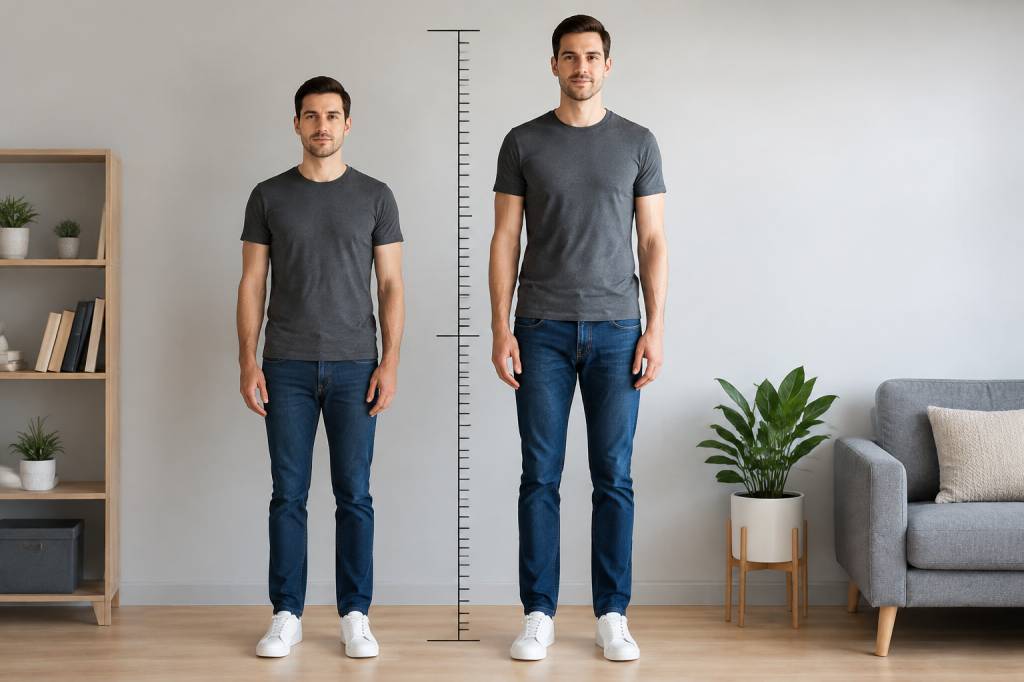
Height is one of those subjects that can occupy far more space in our minds than it does in a measuring tape. A few extra centimetres may seem like a passport to confidence, better style, or that elusive “presence” people talk about at dinner parties. But what is genuinely possible, and what belongs in the same drawer as miracle hair-growth oils?
The best way to get taller depends largely on your age and biology. Children and teenagers may still have natural growth ahead of them. Adults, once their growth plates have closed, cannot lengthen their bones through stretching, supplements, or special exercises. However, there are proven ways to support healthy growth, improve posture, and appear taller with elegance and confidence.
First, understand how height really works
Your height is influenced mostly by genetics. Researchers estimate that heredity accounts for roughly 60 to 80 percent of height variation, while nutrition, sleep, hormones, general health, and living conditions also play important roles.
Long bones grow at areas called growth plates, or epiphyseal plates. These plates are made of cartilage and are found near the ends of bones. During childhood and adolescence, they produce new bone tissue, allowing the arms, legs, and spine to lengthen. When puberty ends, the growth plates gradually harden and close. At that point, the bones can become stronger or denser, but they cannot naturally grow longer.
This usually happens during the late teenage years, although timing varies. Many boys finish most of their growth between 16 and 18, while some continue a little longer. The only reliable way to know whether growth plates remain open is through medical imaging, usually an X-ray assessed by a healthcare professional.
So, the first practical step is simple: know whether you are still growing. It saves time, money, and perhaps a rather questionable conversation with an online “height expert” selling powdered mystery herbs.
If you are still growing: support your natural potential
No food, exercise, or supplement can override your genetic blueprint. But a healthy lifestyle can help your body reach its natural potential. Think of it as giving the orchestra the right instruments before asking it to play its finest symphony.
Prioritise balanced nutrition. Growing bones need energy, protein, vitamins, and minerals. Include a variety of foods rather than relying on one fashionable ingredient.
- Protein from eggs, fish, poultry, beans, lentils, yoghurt, tofu, or lean meat.
- Calcium from dairy products, fortified plant milks, leafy greens, tofu, and canned fish with edible bones.
- Vitamin D from sensible sunlight exposure, fortified foods, eggs, oily fish, or supplements when recommended by a professional.
- Iron from meat, beans, lentils, spinach, and fortified cereals.
- Fruit, vegetables, whole grains, and healthy fats to support overall health.
Extreme dieting is particularly unhelpful during adolescence. The body cannot build strong bones and muscles without enough fuel. Skipping meals in the hope of becoming slimmer or taller is not a clever shortcut; it can interfere with health, energy, hormones, and development.
Sleep like it matters—because it does. Growth hormone is released in pulses, especially during deep sleep. Sleep alone will not transform a five-foot teenager into a basketball centre, but chronic sleep deprivation is certainly not a good companion for healthy development.
Teenagers generally need around eight to ten hours of sleep per night, while adults commonly need seven to nine. A regular bedtime, a darker bedroom, less late-night screen exposure, and a cool, quiet environment can all help. Your phone may insist that one more video is essential to your spiritual wellbeing, but your bones may disagree.
Stay active. Running, jumping, swimming, cycling, football, basketball, resistance training, and other sports support strong muscles and bones. Exercise does not lengthen the skeleton after growth plates close, but it helps young people maintain healthy development, coordination, posture, and body composition.
Strength training is not automatically dangerous for teenagers when it is supervised, age-appropriate, and performed with good technique. The real risks usually come from poor instruction, excessive loads, or trying to impress friends who are filming for social media.
Can stretching or hanging make you taller?
Stretching can make you feel longer, looser, and more comfortable, but it does not permanently lengthen adult bones. Hanging from a bar may temporarily reduce compression in the spine, especially after a long day sitting or standing. This effect is temporary, much like the small difference between your morning and evening height.
Yoga, Pilates, swimming, and mobility exercises can still be excellent choices. They improve flexibility, core strength, body awareness, and posture. A person who stands upright with relaxed shoulders often looks noticeably taller than someone who collapses forward—even though their skeleton has not changed by a millimetre.
Try a simple daily posture routine:
- Stand with your feet comfortably under your hips.
- Keep your chin level rather than pushing your head forward.
- Let your shoulders move gently down and back without forcing them.
- Engage your abdomen lightly while breathing normally.
- Stretch the chest, hip flexors, and upper back after long periods of sitting.
Good posture should look natural, not like you are balancing a book while being inspected by a very strict headmaster.
What is the best way to look taller as an adult?
Once growth plates have closed, the most effective non-surgical approach is to combine posture, proportion, fitness, and clothing. This does not change your actual biological height, but it can change how you carry yourself and how others perceive your silhouette.
Build a balanced physique. Improving upper-back strength, shoulder stability, and core control can help you stand more upright. A well-proportioned body often creates a longer visual line. You do not need to become enormous; in fact, excessive bulk can sometimes make the body appear more compact. Aim for strength, mobility, and a shape that suits you.
Choose clothing with clean vertical lines. Monochromatic outfits, trousers with a neat fit, and jackets that follow the natural shoulder line can create a taller appearance. Similar colours between your trousers and shoes reduce visual interruption, allowing the eye to travel smoothly from the waist down.
- Choose well-fitted clothes rather than oversized pieces that swallow your frame.
- Try medium or high-rise trousers to create the impression of longer legs.
- Prefer subtle vertical patterns over large horizontal stripes.
- Keep jackets proportionate, avoiding hems that are excessively long.
- Use one dominant colour or closely related shades for a streamlined silhouette.
- Keep trousers lightly tapered, but never so tight that comfort disappears.
Fit matters more than expensive labels. A modest jacket adjusted by a good tailor can perform more visual magic than a designer garment hanging sadly from the shoulders.
Elevator shoes: a practical style solution
Elevator shoes are designed with discreet internal lifts that increase height while preserving the appearance of a conventional men’s shoe. Unlike obvious external platforms, the elevation is built into the shoe, so the outside can remain refined and suitable for work, weddings, dinners, or everyday city life.
For many men, elevator shoes offer the most immediate and practical way to gain visible height without medical procedures. Depending on the design, they may provide a modest increase of a few centimetres. The goal should be natural proportions, not walking around as if you have secretly joined a touring theatre production.
When choosing a pair, pay attention to more than the advertised height:
- Comfort: The heel and insole should support your foot without creating pressure.
- Stability: A secure sole and balanced construction are essential for confident walking.
- Fit: Your toes need room, while the heel should not slide excessively.
- Material: Leather or high-quality breathable materials tend to age better and feel more comfortable.
- Proportion: A moderate lift usually looks more natural than an exaggerated one.
- Occasion: Choose a polished Oxford for formal settings, a loafer for relaxed tailoring, or a smart sneaker for modern casual outfits.
Introduce elevated footwear gradually if you are not used to it. Wear the shoes at home for short periods, walk on different surfaces, and allow your feet and posture to adapt. Confidence comes from feeling stable, not from surviving a heroic ten-minute march across a marble hotel lobby.
Can supplements or pills make you taller?
For healthy adults, the answer is generally no. There is no scientifically proven pill, powder, or herbal formula that can reopen closed growth plates and permanently lengthen bones. Products promising dramatic height increases often rely on testimonials, vague scientific language, or carefully edited photographs.
Supplements may be useful when a doctor identifies a genuine deficiency. Vitamin D, calcium, iron, or other nutrients can matter for health, but taking more than your body needs will not turn nutrition into a height amplifier. Some products may also interact with medicines or contain ingredients that are not clearly disclosed.
Be especially cautious when a product promises several inches in a few weeks, uses phrases such as “secret medical formula,” or insists that you purchase a large supply immediately. Your wallet deserves protection too.
What about human growth hormone?
Growth hormone is a real medical treatment, but it is not a general-purpose height enhancer. In children with specific diagnosed conditions, a paediatric endocrinologist may prescribe it after careful evaluation. Treatment depends on the cause of poor growth, the child’s age, growth pattern, bone age, and overall health.
Using growth hormone without medical supervision can be dangerous and may cause side effects, including joint pain, swelling, headaches, insulin-related problems, and other complications. Adults should not use it simply because they would prefer to be taller. Medical treatment belongs in the hands of qualified professionals, not anonymous sellers operating from a website with twelve flashing banners.
When should you speak with a doctor?
A medical assessment is sensible if a child or teenager is growing much more slowly than expected, falling significantly down their growth chart, showing delayed puberty, or experiencing symptoms such as persistent fatigue, digestive problems, weight loss, or chronic illness.
Doctors can review family height patterns, measure growth over time, examine puberty development, and request blood tests or imaging when appropriate. One isolated measurement is rarely as informative as the growth trend. A teenager who is shorter than classmates may simply be developing later, while a sudden change in growth deserves proper attention.
Adults who experience a noticeable loss of height should also take it seriously. Spinal compression, osteoporosis, disc problems, and posture changes can contribute to reduced height. Strength training, adequate calcium and vitamin D, and professional advice can help protect bone health.
The role of confidence in looking taller
Height can influence first impressions, but it does not determine style, authority, attractiveness, or personal value. A man who enters a room with good posture, well-fitting clothes, calm eye contact, and a genuine smile often creates more presence than someone several centimetres taller who appears uncomfortable in his own skin.
Work on the elements you can control: health, grooming, clothing, communication, fitness, and the way you stand. Elevator shoes can add discreet height. Tailoring can improve your proportions. Posture can transform your silhouette. None of these requires pretending to be someone else.
The smartest answer to “What is the best way to get taller?” is therefore wonderfully practical: support healthy growth while you are young, reject miracle claims, improve posture at any age, dress with intention, and choose quality elevator shoes when you want an immediate boost. You may not be able to negotiate with genetics, but you can certainly make a strong case for excellent style.