






Some shoes make you look taller. The best ones also make it look as though you were born wearing them. That second part is where fit matters—and where a quiet detail called single-needle tailoring can make a surprisingly big difference.
I learned this the hard way in a small shop in Milan. I tried on a handsome pair of elevator shoes, admired the extra height in the mirror, and then noticed a ripple near the laces. The shoes gave me a lift, certainly. They also seemed to be announcing that something was going on inside them. A cleaner-fitting pair changed the whole impression: same extra height, much more natural shape.
So what does single-needle tailoring have to do with elevator shoes? It is a method of stitching used in carefully made garments and, in some footwear, in the construction and finishing of the upper. Done well, it can help seams sit neatly, panels follow the foot more cleanly, and the shoe look refined rather than bulky. It is not magic, and it cannot compensate for the wrong size. But it is one of those details that can help a good design look even better.
What single-needle tailoring actually means
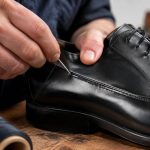
In simple terms, single-needle stitching uses one needle to sew a seam, typically making one line of stitches at a time. On a dress shirt, for example, a tailor may use this technique to create precise seams and a crisp, polished finish. The phrase is often associated with high-quality clothing because it can demand careful handling and more time than faster production methods.
In shoes, construction methods vary, and the terminology can be used differently from one maker to another. A shoe upper may have single-needle seams, decorative single-needle stitching, or carefully finished panels without every part of the shoe being made by the same method. The useful thing to look for is not a label alone, but the result: straight stitching, tidy edges, smooth panel transitions, and no puckering where the upper bends.
Think of it like tailoring a jacket. A jacket can be made from beautiful cloth, but if the seams pull across your shoulders, you will notice the problem before you notice the cloth. Shoes are less forgiving: they move with every step, and their shape is right there at ground level, in full view.
Why fit matters more in elevator shoes
Elevator shoes contain a built-in lift, usually concealed within the shoe rather than attached as an obvious external heel. That internal structure can change how the shoe occupies space around your foot. A well-designed pair balances the lift with the shape of the upper, the sole, and the opening around the ankle. A poorly balanced pair can look overly tall, feel cramped, or create folds where the upper has to work harder.
This is why a clean fit is more than a matter of vanity. It affects comfort and the visual line of the shoe. If the upper bunches, the toe looks distorted, or the sides gape, attention goes to the footwear instead of the outfit. Nobody needs their shoes to become the most talkative person in the room.
Single-needle workmanship can help a maker control the way individual sections of the upper come together. More precise stitching may make it easier to keep seams smooth and panels aligned, particularly around areas such as the vamp—the part covering the top of your foot—and the quarters at the sides and back. The result can be a neater outline that works with the hidden lift instead of drawing attention to it.
How clean seams create a more natural silhouette
A polished shoe depends on small transitions. The upper needs to follow the foot without looking stretched, while the toe needs enough room to hold its shape. Stitching helps join the leather or other materials that create those contours. When seams are placed and sewn carefully, the panels can lie flatter and the shoe’s profile can look more intentional.
On an elevator shoe, that matters because the added internal height may influence the angle of your foot and the way the upper sits. If the shape is poorly planned, you might see tension lines across the front or excess material near the sides. Careful pattern design and accurate stitching can reduce these visual distractions. The shoe looks like a smart dress shoe, not like it is secretly carrying a small apartment building inside.
That said, stitching alone does not determine fit. Last shape, sizing, materials, the design of the lift, and the way the shoe is assembled all play a part. A single-needle seam on a shoe that is too narrow will not suddenly make it comfortable. The technique is one ingredient in the recipe, not the entire Italian kitchen.
What to look for when shopping
You do not need to become a footwear engineer before buying your next pair. A few simple checks can tell you whether a shoe appears carefully made and fits your foot properly:
-
Check the stitching. Look for even, consistent stitches and clean seam lines. Uneven spacing or loose threads can signal rushed finishing.
-
Study the upper from the side. The panels should sit smoothly, without obvious puckering, bubbling, or areas that look pulled tight.
-
Inspect the toe shape. It should look balanced rather than pinched or unusually swollen. Your toes should have enough room to move.
-
Look at the opening and heel. The shoe should hold your foot securely without cutting into your ankle or allowing your heel to slip excessively.
-
Try both shoes on. Feet are not always identical twins. Walk around, turn, and notice whether either shoe rubs or presses.
-
Ask specific questions. If a brand mentions single-needle tailoring, ask which parts of the upper use it and how the construction supports comfort and fit.
Most importantly, judge the shoe on your own foot. Product photographs can show elegant stitching, but they cannot tell you whether the instep feels comfortable after ten minutes of walking.
Fit checks you can do at home
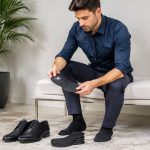
When your shoes arrive, try them indoors on a clean surface. Wear the socks you expect to use with them, and lace the shoes as you normally would. Stand up, take a short walk, and check how the upper behaves while your foot moves.
A good fit should feel secure without squeezing. Your toes should not press against the front, and the sides should not dig into your foot. A little movement at the heel can be normal in a new shoe, but repeated slipping may mean the size or shape is not right. Watch for sharp creases across the vamp: some creasing is natural in leather, but deep folds caused by excess material can make the shoe look untidy.
Try looking at the pair from several angles, not just straight on in the mirror. A friend’s opinion can help, too—especially someone who will tell you the truth kindly, rather than someone who thinks every shoe deserves a standing ovation. The goal is a balanced look: a clean line from trouser hem to shoe, with no obvious sign that the design is working overtime.
Materials, stitching, and everyday comfort
The material matters as much as the seam. Quality leather can soften and adapt to your foot over time, while synthetic materials may feel different and break in differently. Neither material guarantees comfort by itself. What matters is how the shoe is shaped, finished, and matched to your foot.
Good stitching can help seams remain neat through regular wear, but it does not make a shoe indestructible. Keep your pair clean, let them dry naturally if they get wet, and avoid wearing the same leather shoes every single day if you can. Giving them time to air out helps preserve their shape and freshness. A shoe tree can also help maintain the upper, especially if the leather is prone to creasing.
If a seam rubs, do not assume that you simply need to “toughen up.” A short break-in period may help with some shoes, but persistent pain is a fit warning, not a test of character. Your shoes should support your stride, not audition for the role of a medieval torture device.
Single-needle details and personal style
The appeal of a clean fit is not limited to formal shoes. A refined pair of elevator shoes can work with tailored trousers, dark denim, or a smart-casual outfit, depending on its design. Subtle stitching and smooth panels are especially useful when you want the shoes to blend naturally into your look.
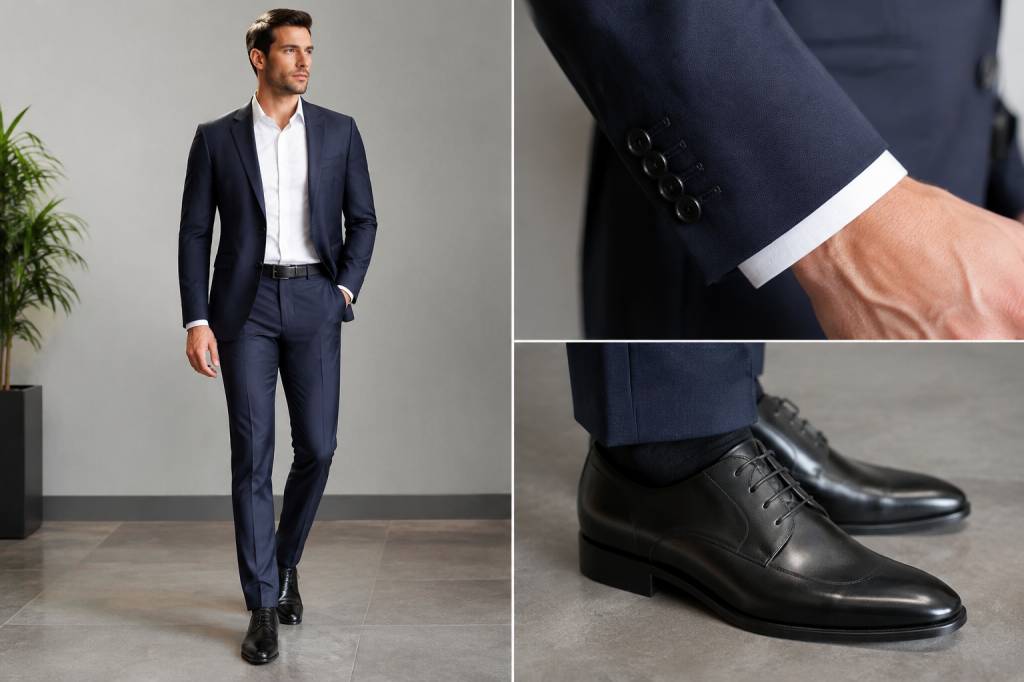
For a classic outfit, choose a sleek profile and trousers that fall neatly over the top of the shoe. Avoid hems so long that they swallow the footwear, or so short that they make the shoe’s shape the centre of attention. With jeans, a simple, well-fitted leg usually creates an easier transition. The idea is not to hide your shoes completely; it is to let them belong.
And remember: extra height is only one part of how an outfit reads. Clean lines, good proportions, confident posture, and shoes that fit properly all work together. When the construction is discreet and the silhouette feels natural, you can enjoy the lift without spending the evening wondering whether anyone has discovered your secret.
The small detail that makes the whole shoe feel considered
Single-needle tailoring is not a guarantee that every elevator shoe will fit perfectly, nor is it the only mark of quality. But careful stitching can contribute to a cleaner upper, a more polished appearance, and a more considered finish. In a shoe designed to conceal extra height, those details matter: the less the footwear calls attention to its construction, the more naturally it fits into your style.
When you shop, look beyond the promise of added inches. Check the stitching, assess the shape, and give the shoes a proper walk test. The right pair should feel secure, look balanced, and make you stand a little taller—without making your feet feel they have entered into a complicated negotiation.