

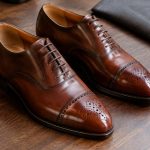






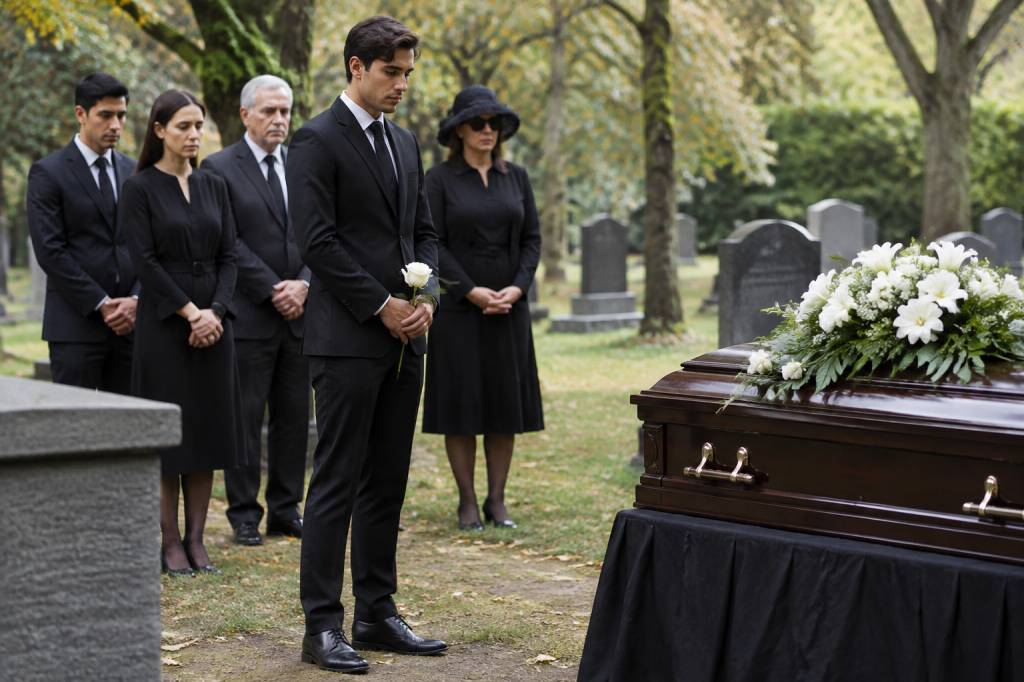
A funeral is not the place to make your outfit the main event. The aim is to look composed, respectful, and quietly confident—so the family can focus on what matters. A pair of well-chosen black dress shoes helps you do exactly that. They complete a formal outfit without demanding attention, and they can carry you comfortably through a long service, a graveside gathering, and the conversations that follow.
I learned this lesson years ago at a winter funeral in Milan. My shoes looked immaculate from across the room, but their stiff soles made every step feel like a small negotiation. By the time we reached the cemetery, I was thinking less about the service and more about getting out of them. Since then, I have treated funeral footwear as a matter of both good manners and practical judgment. Here is how to choose a pair that gets both right.
Why black dress shoes are the safest choice
Black is formal, restrained, and easy to coordinate with the traditional funeral wardrobe: a dark suit, a white or muted shirt, and a simple tie. It signals care without appearing celebratory. While customs vary by family, culture, and location, black dress shoes are a reliable option for most conventional services.
There is no need for high-shine patent leather or elaborate decoration. In this setting, the best shoe is usually the one people barely notice—not because it is cheap or careless, but because it fits the occasion. Think polished, understated, and appropriate.
That does not mean every funeral requires identical clothing. Some families request brighter colors or a particular dress code to honor the person who has died. If the invitation or family gives guidance, follow it. Respect is more important than tradition for tradition’s sake.
Choose a classic style
For most men, a plain-toe Oxford is the most formal and dependable option. Its closed lacing gives it a clean, streamlined appearance that works naturally with a dark suit. A simple cap-toe Oxford is another excellent choice: the stitched panel across the toe adds a little structure without turning the shoe into a conversation piece.
A black Derby can also be appropriate, particularly if you need a little more room across the instep. Its open lacing makes it slightly less formal than an Oxford, but a sleek, well-polished pair still looks smart with a suit. If you are attending a less formal gathering, a restrained black loafer may work, though a lace-up shoe is generally the safer choice for a traditional service.
- Plain-toe Oxford: The most formal, minimal option.
- Cap-toe Oxford: A classic choice with subtle detail.
- Black Derby: A comfortable alternative with a slightly more relaxed feel.
- Simple loafer: Best reserved for less formal settings or when comfort makes laces difficult.
Avoid shoes with bright buckles, contrast stitching, oversized logos, colorful soles, or decorative perforations that dominate the design. Broguing is not automatically inappropriate, but the less ornamented the shoe, the easier it is to keep the overall look respectful.
Fit matters more than shine
A funeral day can involve more walking and standing than you expect. There may be a service, a drive to the cemetery, a long period outdoors, and a reception afterward. Shoes that pinch in the shop will not become kinder when you are standing on uneven ground in the rain.
Try dress shoes on later in the day, when your feet have expanded a little. Wear the socks you plan to use with your suit, and check that your heel stays in place without rubbing. Your toes should have room to move, but the shoe should not slide around. If you use orthotics, test them with the shoes before the day rather than making an emotional discovery beside the coat rack.
Pay attention to the sole, too. Leather soles look elegant, but they can be slippery on wet pavement, polished floors, or grass. A rubber sole or a discreet rubber insert can give you better grip without changing the shoe’s appearance much. For a cemetery visit, that small practical detail is worth more than a dramatic shine.
How to keep your shoes comfortable
Do not wear a brand-new pair for the first time to an important event. Break them in at home with short periods of wear, then take a few longer walks. If they create a hot spot or rub at the heel, address it early with a suitable shoe insert or another pair. A blister is not a tribute to formal dressing.
Pack a small comfort kit if you know the day will be long: a couple of blister plasters, spare dark socks, and a soft cloth for wiping away dust or rain marks. If the weather forecast is poor, consider using a discreet waterproofing treatment suitable for the shoe’s material. Always test it first on a hidden area.
On the morning of the service, check the soles as well as the uppers. Worn-down heels can make a smart shoe look neglected and may affect your footing. If your shoes are in good condition but feel a little firm, cushioned insoles can help—provided they do not make the fit too tight.
Polish without making a spectacle
Clean, cared-for shoes show that you made an effort. Wipe away dirt with a soft brush or cloth, apply a small amount of black cream polish if needed, and buff gently. The goal is a neat, natural finish, not a mirror bright enough to attract attention from the back row.
Give your shoes time to dry if they have been caught in the rain. Remove the insoles if possible, loosen the laces, and let them air-dry away from direct heat. Placing leather shoes beside a radiator may seem efficient, but it can dry and crack the leather. Newspaper can help absorb moisture, but change it when it becomes damp.
For suede or nubuck, a black pair may still be suitable in some settings, but these materials are more vulnerable to water and marks. Brush them with the proper suede brush and avoid applying ordinary leather polish. If the forecast calls for heavy rain or the service includes a muddy cemetery path, smooth leather is usually the easier option.
Match the rest of your outfit
Black shoes look most natural with a black, charcoal, or dark navy suit. A black belt is the straightforward match. Choose dark socks that cover your legs when you sit down; a flash of bare skin between trouser and shoe can make an otherwise formal outfit feel unfinished.
Keep accessories quiet. A simple watch is fine. A bold tie, bright pocket square, or oversized jewelry may distract from the occasion unless the family has asked guests to dress in a more expressive way. The small details should support the outfit, not compete with the moment.
Not every funeral calls for a full suit. If the dress code is more relaxed, dark trousers, a jacket, and a clean shirt can still look respectful. Black dress shoes anchor the outfit and make it feel considered. When you are unsure, it is usually better to be slightly more formal than noticeably underdressed.
What about elevator shoes?
Some men choose elevator shoes because they appreciate the added height and the confidence that comes with it. There is nothing inherently disrespectful about wearing them to a funeral, as long as the shoes look like appropriate black dress shoes and are comfortable enough for the day. The discreet lift is inside; the visible style should remain understated.
Prioritize stability over the maximum possible height. Funeral venues can include stairs, gravel, wet grass, and uneven paths, so a secure fit and steady sole matter more than a dramatic boost. If you do not wear elevator shoes regularly, do not make the funeral their first test. Walk around in them beforehand and make sure you can move naturally.
As with any dress shoe, avoid conspicuous designs. A sleek black Oxford or Derby with a discreet height increase blends easily into a formal outfit. The point is to feel comfortable and composed—not to turn a solemn day into a discussion about footwear.
Common mistakes to avoid
- Choosing a shoe that hurts: Discomfort can distract you throughout the service and leave you limping afterward.
- Wearing a visibly worn pair: Scuffed toes, damaged heels, and loose stitching can undermine an otherwise polished outfit.
- Over-polishing: A tidy shine is appropriate; a flashy, reflective finish may feel out of place.
- Ignoring the weather: Slippery soles and delicate materials are not ideal for wet pavement or grass.
- Experimenting on the day: A new style, unfamiliar insoles, or untested elevator shoes should be tried well in advance.
- Assuming every funeral has the same dress code: Follow the family’s wishes and the customs of the service.
A simple checklist for the day
Before you leave, give your shoes a quick inspection. Are they clean? Are the laces secure? Do the soles provide enough grip? Can you walk and stand in them comfortably? If the answer to all four is yes, you are ready to turn your attention away from your outfit and toward the people around you.
The best black dress shoes for a funeral are not necessarily the most expensive or the most fashionable. They are the pair that looks respectful, fits properly, and lets you move through a difficult day without fuss. Choose a classic design, take care of the practical details, and keep the rest of your outfit quiet. When clothing does its job well, it offers a little confidence—and then politely steps out of the way.