


Choosing elevator shoes is not simply a question of adding as many inches as possible. The real art lies in finding the right balance between height, comfort, proportions, and personal style. A well-designed pair of height increasing shoes should make you feel taller without making your walk look like a balancing act.
When I first discovered elevator shoes, I made the classic mistake: I focused only on the number printed in the product description. More height sounded better. Naturally, my feet had a different opinion by lunchtime. Since then, I have learned that the best pair is not necessarily the one with the highest heel. It is the one that gives you a taller look while still feeling natural from the first step to the last.
In this guide, we will look at heel height shoes in practical terms and explain how to choose the right elevator shoes for work, formal occasions, everyday outfits, and casual weekends.
What makes elevator shoes different?
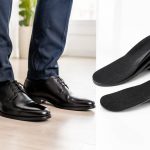
Elevator shoes are designed with a discreet internal lift built into the sole. Unlike ordinary high-heeled shoes, the elevation is usually hidden inside the shoe, creating a smoother and more balanced appearance from the outside.
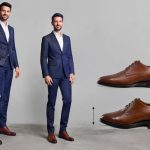
The height comes from a combination of the internal lift, the outsole, and sometimes the natural shape of the shoe. This means that a pair advertised as providing 2.5 inches of extra height may not look dramatically different from a conventional dress shoe. That is precisely the point: the shoe adds height without announcing it to the entire room.
Modern elevator shoes are available in several styles, including:
- Formal leather shoes for business and ceremonies
- Derby and Oxford-style shoes for polished outfits
- Elevator boots for colder weather and a stronger silhouette
- Elevator sneakers for casual, urban styling
- Height increasing trainers for everyday comfort
- Shoes designed to work with removable or adjustable height insoles
The best choice depends on how much height you want, how often you plan to wear the shoes, and the type of outfits already hanging in your wardrobe.
Understanding heel height in elevator shoes
Heel height can be confusing because brands do not always describe it in exactly the same way. Some mention the total height increase, while others focus on the internal lift. These are not always identical measurements.
A shoe may contain a 2-inch internal lift but provide slightly more overall elevation when the outsole is included. For that reason, it is worth checking the product description carefully and looking for the actual height increase rather than relying only on the word “heel.”
As a general guide, elevator shoes can be grouped into three practical ranges:
- Subtle elevation: approximately 1.5 to 2 inches, ideal for first-time wearers and discreet everyday styling.
- Medium elevation: approximately 2 to 3 inches, a popular range for men who want a clearly taller appearance without sacrificing versatility.
- Higher elevation: above 3 inches, suitable for those seeking maximum height, provided the design offers strong support and a natural fit.
For most men, the medium range is the easiest place to begin. It offers a visible difference while remaining suitable for business shoes, boots, and sneakers. A moderate lift also tends to blend more naturally with the proportions of the shoe.
How much extra height should you choose?
The answer depends on your daily routine and your experience with raised footwear. If you are new to elevator shoes, starting with a moderate height is usually the smartest approach. Your feet, ankles, and walking style need time to become familiar with the internal lift.
A 2-inch elevator shoe can already create a noticeable change in your appearance. It may help trousers fall more neatly and give your overall silhouette a more confident presence. The result is not theatrical; it is more like the visual equivalent of standing at the front of a photograph instead of hiding behind a lamp.
If you regularly wear formal shoes or spend long hours standing, a lower or medium lift is often preferable. For occasional events, a higher elevator shoe may work well, especially when the design includes a stable heel and a spacious toe box.
Ask yourself three simple questions before selecting a height:
- Will I wear these shoes for several hours at a time?
- Do I already feel comfortable in structured or heeled footwear?
- Do I want a subtle improvement or a more noticeable taller look?
Your answers will usually point you toward the right height range more accurately than a product photograph alone.
Why comfort matters more than maximum height
Height increasing shoes are only useful if you actually want to wear them. A pair that adds impressive elevation but causes pressure, slipping, or fatigue will spend more time in the wardrobe than on your feet.
Look for elevator shoes with cushioned insoles, supportive heel counters, and a stable outsole. The internal lift should feel integrated rather than like a hard block underneath the heel. Good construction distributes pressure across the foot and helps keep your stride natural.
Pay particular attention to the following details:
- Arch support: useful for maintaining a comfortable foot position during longer wear.
- Heel stability: essential when the internal lift is taller or more structured.
- Toe-box space: your toes should not feel compressed against the front of the shoe.
- Breathable lining: especially important for elevator sneakers and boots worn throughout the day.
- Flexible forefoot: helps the shoe move with your foot instead of fighting every step.
Comfort also depends on choosing the correct size. Do not assume that your usual sneaker size will always match your formal elevator shoes. Different shapes and materials can fit differently, so consult the size guide and measure your foot if necessary.
Choosing elevator shoes for work
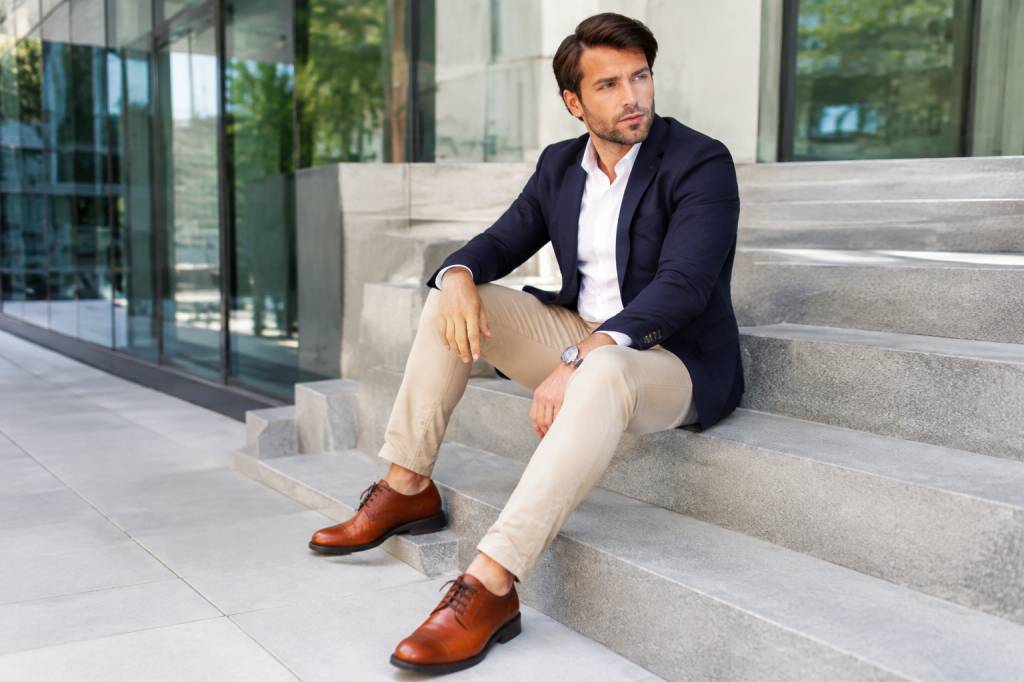
For the office, discreetness and versatility are usually more important than dramatic height. A black or dark brown pair of elevator derbies can work with tailored trousers, a suit, or smart-casual chinos.
For a professional wardrobe, I generally recommend a height increase of around 1.5 to 2.5 inches. This range gives a taller appearance while keeping the shoe’s profile refined. Sleek leather, a clean toe shape, and minimal decoration will make the shoes easier to combine with different outfits.
Consider these office-friendly features:
- Classic black or brown leather
- A discreet internal lift
- A rounded or subtly tapered toe
- A non-slip outsole suitable for daily commuting
- A cushioned footbed for long working hours
Derby shoes are often slightly more forgiving than very narrow Oxford styles, making them a practical choice if you value comfort. A polished elevator boot can also work beautifully with wool trousers or dark denim, particularly during autumn and winter.
Elevator shoes for formal occasions
Weddings, ceremonies, interviews, and evening events often call for a sharper silhouette. This is where formal elevator shoes can make a particularly elegant difference.
Black elevator Oxfords pair naturally with black, charcoal, and navy suits. Dark brown elevator shoes are more flexible with blue, grey, and earthy tailoring. If you prefer a modern formal look, choose a slim but not overly pointed shape. Extremely narrow shoes may look fashionable in a product photo but become less enjoyable after several hours of standing and conversation.
For formal events, the goal is proportion. The shoe should complement the trousers rather than compete with them. Trousers that are too short may draw attention to the shoe, while excessive fabric can hide its shape and create bunching around the ankle.
A medium-height elevator shoe is generally the most versatile option for formalwear. It gives you extra height while maintaining the clean lines expected from a dress shoe.
Choosing elevator sneakers for a casual taller look
Casual outfits give you more freedom to experiment with height increasing footwear. Elevator sneakers are especially useful because their naturally thicker soles make the internal lift less noticeable.
White, black, grey, and navy elevator sneakers can be worn with jeans, casual trousers, or relaxed chinos. Minimalist designs are the easiest to style, while chunkier models create a more contemporary streetwear effect.
When choosing elevator sneakers, look for:
- A well-cushioned midsole
- A secure lace system or adjustable fastening
- A breathable upper
- A rounded toe shape
- A sole that looks proportionate to the rest of the sneaker
The advantage of sneakers is that a slightly higher lift can look more natural than it would in a thin formal shoe. However, the shoe should still feel stable. If the upper is too loose or the sole is excessively rigid, the extra height may affect your walking comfort.
For a relaxed outfit, try dark elevator sneakers with tapered jeans and a simple jacket. The result is casual, clean, and quietly elevated—literally and stylistically.
When elevator boots are the better choice
Elevator boots offer structure, ankle support, and a naturally substantial appearance. Chelsea boots, lace-up boots, and smart leather ankle boots can all work well with an internal lift.
Boots are particularly useful if you want a taller silhouette during colder months. Their higher shaft helps create a continuous line from the foot to the ankle, while the thicker sole feels appropriate with winter clothing.
Choose a boot with a stable heel and enough room for your toes. A side zip can make daily use easier, while elastic panels on Chelsea boots provide flexibility. If you wear thicker socks in winter, remember to account for that when selecting your size.
Dark elevator boots look excellent with denim, wool trousers, and casual tailoring. They are also a good option for men who find formal elevator shoes too restrictive but still want a refined appearance.
Internal lifts versus adjustable height insoles
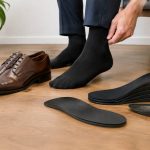
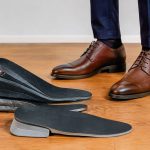
Some height increasing shoes are designed with a fixed internal lift, while others can be used with removable or adjustable height insoles. Each option has advantages.
Fixed-lift elevator shoes usually provide better integration. The shoe is designed around the internal elevation, so the heel, arch, and outsole work together as one structure. This can create a more natural fit and a cleaner walking experience.
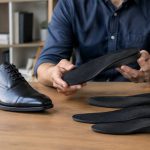
Adjustable height insoles offer flexibility. You may be able to choose a lower lift for long days and a higher setting for shorter occasions. They can also be useful if you want to test different heights before investing in several pairs of elevator shoes.
However, avoid placing a thick generic insole inside a shoe that was not designed for it. Too much elevation can reduce the available space inside the shoe and may cause your heel to slip. The best height insoles are made to match the shoe’s shape and provide secure support.
How to test the right heel height
When trying on elevator shoes, do not judge them only while standing still. Walk across the room, turn, climb a few steps if possible, and notice how your heel behaves inside the shoe.
Your heel should remain secure without excessive pressure. Your toes should have room to move, and your stride should feel smooth. If you find yourself taking unusually small steps, the lift may be too high for your current level of comfort.
Try the shoes with the trousers and socks you are likely to wear. A dress shoe may feel perfect with thin socks but surprisingly tight with thicker winter socks. Small details can make the difference between a pair you enjoy and a pair that becomes an expensive piece of furniture.
Finding your ideal balance
The right elevator shoes should suit your lifestyle as much as your desired height. A discreet 2-inch pair may be the perfect daily companion, while a taller formal model could be reserved for special events. Many men eventually choose more than one style: elevator sneakers for everyday wear, elevator boots for colder seasons, and formal shoes for professional or ceremonial occasions.
Think of heel height as part of the entire design, not as an isolated number. Consider the shape of the shoe, the quality of the internal lift, the support under your foot, and how naturally the style fits your wardrobe.
When these elements work together, height increasing shoes do more than add inches. They create a balanced silhouette, support a more confident posture, and allow you to dress with intention. And that, in my experience, is the real secret: the best elevator shoes do their work quietly, while you enjoy the attention for all the right reasons.